Modern Trends in Composite Decking Design
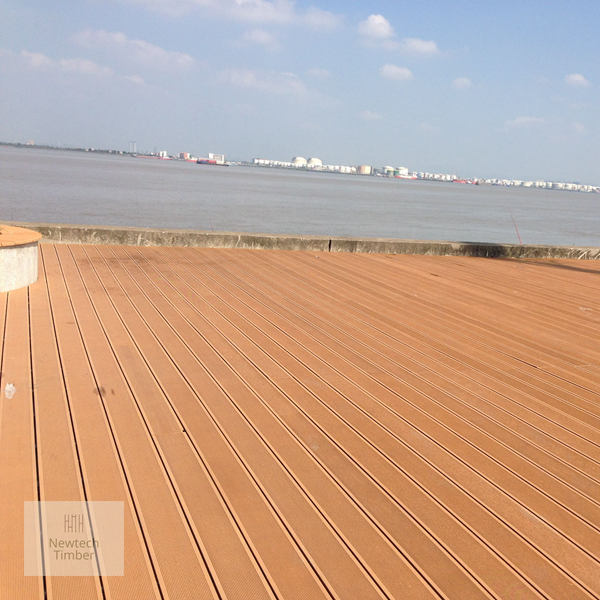
The choice of composite decking 20 ft for commercial projects has become increasingly significant as designers and architects seek to create visually appealing and functional outdoor spaces. The modern trend leans towards innovative designs that integrate seamlessly with the surrounding environment. By utilising composite materials, which mimic the appearance of natural wood while offering superior durability, designers can achieve aesthetically pleasing results that require minimal maintenance. The flexibility of design allows for a variety of applications, extending beyond just decking to include wall panels, fences, and additional landscape features.
One notable trend is the emphasis on colour palettes that reflect nature. Earthy tones and rich, vibrant hues are favoured, providing a warm and inviting atmosphere. The combination of textures, whether a smooth finish or a more rustic look, adds depth to the overall design and can enhance the sensory experience of outdoor areas. This attention to detail not only improves the visual impact but also aligns with the sustainable ethos that is becoming increasingly prevalent in architecture.
Textural Variety and Profiles
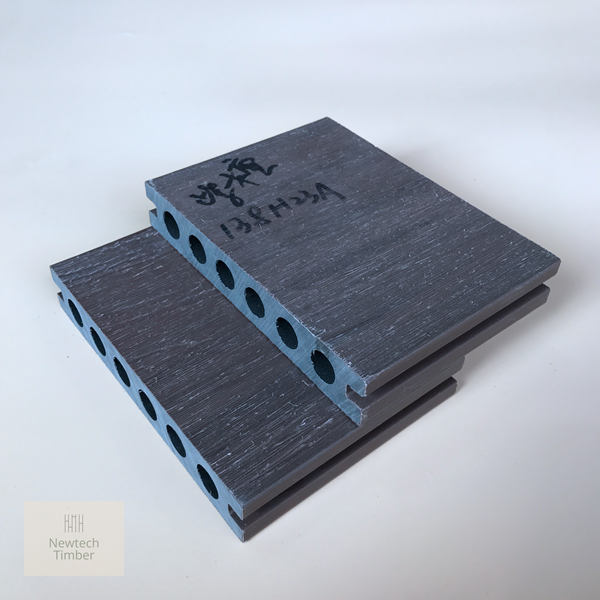
Another aspect of modern composite decking is the variety of textures available. Textured surfaces offer increased slip resistance and tactile qualities that enhance safety and comfort. Different profiles can create unique visual lines and character in a deck, allowing designers to tailor spaces that reflect specific themes or purposes. For example, a wide plank design may suit a more traditional aesthetic, while narrower, contemporary profiles can impart a sleek, modern feel.
The interplay between light and shadow created by varied textures can add an element of visual interest, particularly in larger commercial settings. As daylight moves throughout the day, the different surfaces respond uniquely, creating a dynamic outdoor environment that captivates visitors and enhances their experience.
Modular Design for Versatile Applications
Modular designs are becoming increasingly popular in composite decking, presenting a flexible solution for commercial projects. By utilising modular components, which can be reconfigured, expanded, or reduced based on project requirements, architects can respond swiftly to changing needs without sacrificing quality or aesthetics. This adaptability is particularly valuable in the design of outdoor spaces that may serve multiple functions, such as event venues or recreational areas.
Furthermore, modularity allows for efficient installation processes, which can save time and reduce costs on project timelines. The integration of modular components in composite decking can also streamline maintenance, as individual sections can be easily replaced if damaged, without the need for extensive repairs to the entire structure.
Environmental Considerations in Material Selection
Moreover, the longevity of composite materials contributes to reducing the overall carbon footprint of a project. As outdoor spaces become more integral to community interaction and urban planning, the selection of materials like composite decking 20 ft that support sustainability initiatives enhances both functionality and social responsibility.
Incorporating Fences, Pergolas, and Gazebos
The scope of composite materials extends beyond decking, with fences, pergolas, and gazebos being essential components in creating cohesive outdoor environments. These structures not only provide essential privacy and shade but also add vertical elements to a landscape, enhancing visual appeal. The use of composite materials in these designs allows for a uniform look throughout the outdoor space, ensuring that all elements complement one another in colour, texture, and profile.
Recent trends indicate a shift towards open, airy designs that integrate with the natural surroundings. This can involve using composite materials to create pergolas that support climbing plants, while gazebos can be designed to blend harmoniously into the environment. Such structures can transform an ordinary outdoor area into a vibrant community space that stimulates interaction and relaxation.

