The Environmental Benefits of Outdoor WPC
Wood-plastic composite (WPC) decking has emerged as a leading choice for homeowners and builders alike, largely due to its environmentally friendly credentials. Made from a blend of recycled wood and plastic materials, WPC provides an effective solution to the growing demand for sustainable building options. By utilising post-consumer waste, such as discarded plastic bottles and reclaimed wood, WPC production helps to reduce the amount of waste sent to landfills. This use of recycled materials not only conserves natural resources but also reduces the overall carbon footprint associated with traditional decking materials.
Moreover, opting for WPC means a significant decrease in wood consumption, which is particularly crucial in an age where deforestation poses a serious threat to biodiversity and climate stability. By choosing composite decking, consumers can enjoy the aesthetic appeal of wood without contributing to the depletion of forests, positioning WPC as a responsible alternative to solid timber products.
Durability: A Key Advantage of Composite Decking
Durability is another compelling reason to consider WPC when searching for a composite decking outlet. Unlike traditional wood decking that is prone to rotting, warping, and insect damage, WPC is designed to withstand the elements. This resilience means that decking made from wood-plastic composites can last significantly longer, reducing the need for frequent replacements. In turn, this longevity translates to lower lifecycle costs for homeowners and businesses alike.
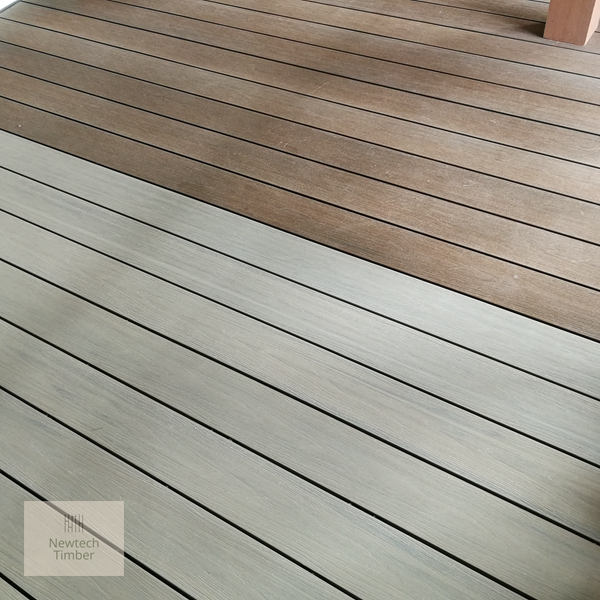
Moreover, WPC decking is resistant to fading and staining, a common issue with untreated wood. The colourants and UV stabilisers incorporated in the composite material help maintain its appearance over time, ensuring that decks remain visually appealing with minimal upkeep.
Low Maintenance Benefits of WPC Decking
One of the primary attractions of WPC is its low maintenance needs compared to traditional decking options. Homeowners with wooden decks often find themselves engaged in regular maintenance activities such as sanding, staining, and sealing. In contrast, WPC requires far less attention. Cleaning typically involves just a simple wash with soap and water, making it an attractive option for those who prefer to spend their time enjoying their outdoor spaces rather than maintaining them.
This ease of maintenance is particularly beneficial for commercial applications, where time and financial resources may be limited. Businesses can allocate their efforts towards customer engagement rather than dealing with the upkeep of outdoor facilities.
Finding a Reliable Composite Decking Outlet
When looking for a composite decking outlet, it is essential to consider the quality of the products offered. Not all WPC materials are created equal, so it’s advisable to seek suppliers known for their commitment to sustainability and quality control. Checking certifications and product specifications can help identify outlets that prioritise eco-friendly practices. Engaging with industry experts can lead to valuable recommendations for trusted sources.
Additionally, visiting local suppliers and examining samples can provide insight into the appearance and texture of various composite decking products. Physical inspection allows consumers to assess the quality and make informed choices that align with their sustainability goals.
The Aesthetic Appeal of Composite Decking
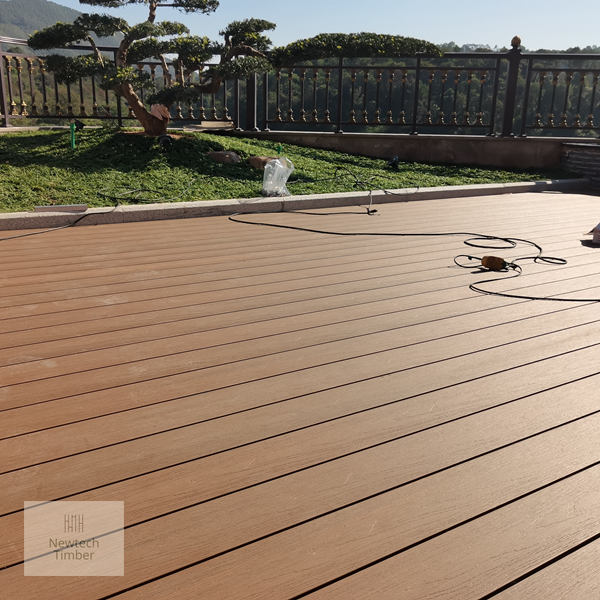
Beyond functionality, aesthetic considerations are vital in choosing a decking material. WPC offers a range of styles, colours, and finishes that can mimic the look of natural wood while ensuring that the environmental impact remains low. This versatility allows for creative landscaping and architectural designs, making it a favourite among outdoor product designers and landscape consultants. Homeowners can achieve their desired outdoor aesthetic without compromising on sustainability.
Incorporating WPC into outdoor spaces not only enhances the beauty of the environment but also signifies a commitment to sustainable practices. As more individuals and companies make eco-conscious choices, WPC stands out as a practical and stylish alternative to traditional materials.

