Installation Accuracy for Composite Decking Accessories
As an outdoor WPC after-sales service engineer, I often help customers solve performance problems that appear after composite products have been installed. Composite lattice for decks is designed to improve outdoor spaces with a durable and sustainable material option, but correct installation remains essential for long-term results. Many customer complaints are caused not by material defects but by incorrect fixing methods, unsuitable spacing, or poor preparation of the installation area.
A common issue is installing lattice panels too tightly against posts, frames, or surrounding structures. WPC materials need planned gaps to allow natural movement caused by temperature changes. Installers should check the recommended fixing distance, use suitable stainless steel or coated fasteners, and avoid forcing panels into restricted spaces. A careful installation process reduces stress on the material and helps maintain the intended appearance of the outdoor structure.
Managing Colour Differences Between WPC Components
Customers sometimes report colour differences between newly delivered WPC parts and existing deck areas. This concern is usually related to production batches, natural weathering, or temporary surface conditions. Composite materials contain wood fibres, so slight shade variations can occur between different manufacturing runs. This is a normal characteristic that creates a more natural timber-like appearance.
For projects using composite lattice for decks, I recommend checking all components before installation and arranging pieces from different batches in a balanced pattern if required. Direct exposure to sunlight can also change surface tones during the first months outdoors. Regular UV exposure gradually stabilises the colour, while cleaning removes construction dust that may make some areas appear darker or lighter.
Controlling Expansion and Contraction Problems
Expansion issues are among the most frequent after-sales cases reported by customers using WPC outdoor products. Composite materials expand slightly in hot conditions and contract during colder periods. Problems such as raised edges, warped sections, or unusual pressure marks often happen because installers did not leave enough movement space around boards and lattice components.
Before installation, the local climate should be considered, especially for projects in regions with strong seasonal temperature changes. Proper ventilation behind the structure, correct screw positioning, and suitable support spacing help materials move naturally without damage. Our technical support team usually checks installation photographs, measurements, and site conditions to identify whether movement is caused by environmental factors or fixing errors.
Repairing Surface Scratches and Daily Wear
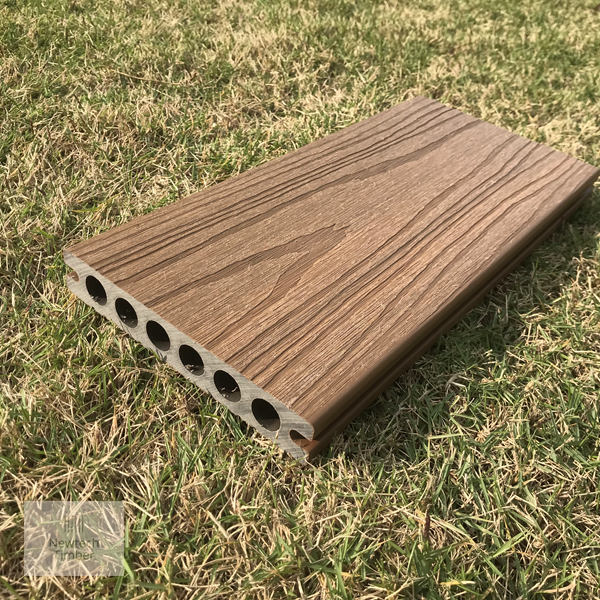
Although WPC products are designed for outdoor use, surface scratches can happen during transportation, installation, or regular activity. Heavy tools placed directly on the surface, rough handling, or contact with sharp objects may leave visible marks. Minor scratches often become less noticeable as the material weathers, but deeper damage requires professional assessment.
For customers using composite lattice for decks in residential gardens, commercial areas, or landscape projects, protective handling during installation is highly recommended. Use soft covers when storing materials and avoid dragging metal equipment across finished surfaces. Small marks can usually be cleaned with mild soap and water, while stronger cleaning agents should be avoided because they may affect the surface finish.
Maintenance Requirements for Long-Term Outdoor Performance
WPC products require less maintenance than traditional timber, but they still benefit from regular care. Dirt, pollen, leaves, and moisture can collect in outdoor structures if cleaning is ignored for long periods. A simple maintenance schedule involving water rinsing and gentle cleaning helps preserve the appearance and prevents surface contamination.
From an after-sales service perspective, I advise customers to inspect fixing points, drainage areas, and connections at least once a year. For larger commercial projects, maintenance records can help identify early signs of wear and support timely repairs. Composite lattice for decks provides a sustainable alternative for outdoor design because it combines recycled material content with reduced maintenance demands, but professional installation and responsible care remain important for achieving reliable service life.
Technical Support for Successful WPC Outdoor Projects
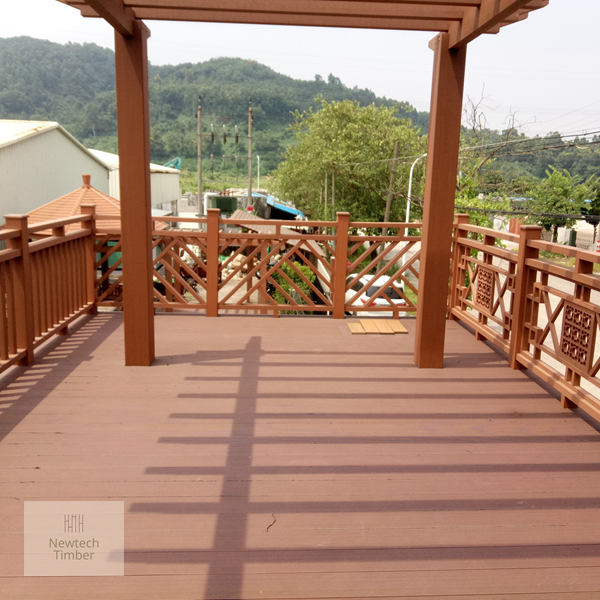
After-sales service is not limited to solving problems after installation. It also includes helping customers select suitable materials, confirming installation requirements, and providing technical guidance throughout the project. WPC engineers, designers, contractors, and property owners all benefit from clear communication before construction begins.
When customers experience issues with colour, movement, scratches, or maintenance, detailed information allows faster solutions. Photos, installation drawings, climate conditions, and product details help engineers provide accurate advice. With correct preparation and professional support, WPC outdoor systems can deliver reliable performance while supporting sustainable material choices for modern landscape and architectural applications.

