Composite Deck Formula Design From Guangdong WPC Factory Experience
As a WPC formulation development engineer in Guangdong, I focus on creating outdoor composite materials that maintain strength, appearance and durability through years of exposure. A successful formula for decking, wall cladding, fencing, pergolas and landscape products begins with precise control of raw materials. The relationship between wood fibre, plastic polymer and functional additives determines how a board performs under moisture, sunlight, temperature changes and mechanical stress. Factory development is not simply about increasing one ingredient, but about achieving a stable structure that matches the final application.
Composite deck inlays require careful formulation because decorative elements must maintain colour stability, dimensional accuracy and surface quality. The same engineering principles apply to premium WPC boards used in residential gardens, commercial outdoor spaces and architectural projects. Guangdong manufacturers often adjust formulas according to market requirements, balancing appearance, processing efficiency and long-term service expectations.
Balancing Wood Fibre and Plastic Content
Wood fibre provides natural texture, stiffness and a warmer visual character, while plastic creates water resistance, flexibility and protection against environmental damage. A typical decking formula may contain a significant percentage of wood fibre, but the exact ratio depends on the intended use, extrusion conditions and climate requirements. Too much wood content can increase moisture absorption and reduce dimensional stability, especially in humid outdoor environments. Too much plastic can improve resistance but may reduce the natural appearance and increase material costs.
For high-performance outdoor WPC products, engineers normally evaluate fibre size, moisture level, surface treatment and compatibility with the polymer matrix. Fine and consistent wood particles help produce smoother surfaces, while properly dried fibres reduce internal defects during extrusion. The selected plastic ratio must support strong bonding between materials so that boards remain stable during seasonal expansion and contraction.
Additive Selection for Long Outdoor Lifespan
Additives are essential components in advanced WPC formulas. UV stabilisers protect colour and surface structure from sunlight degradation, while lubricants improve extrusion performance and reduce production issues. Coupling agents strengthen the connection between wood fibre and plastic, improving mechanical properties and reducing water penetration. Other additives may include impact modifiers, antioxidants and processing aids depending on product specifications.
For applications such as fencing, pergolas and wall cladding, formula development must consider different exposure conditions. Vertical products may face less direct pressure than decking, but they still require resistance to rain, ultraviolet radiation and temperature variation. A well-developed formula allows manufacturers to provide consistent quality across different product ranges without creating unnecessary production complexity.
Cost Control Without Reducing Product Value
WPC factory engineers must balance performance requirements with realistic production costs. Premium raw materials and high additive levels can improve performance, but they also affect market competitiveness. Cost control starts with selecting suitable materials rather than simply reducing expensive components. Reliable suppliers, accurate material testing and efficient extrusion settings help factories maintain quality while managing expenses.
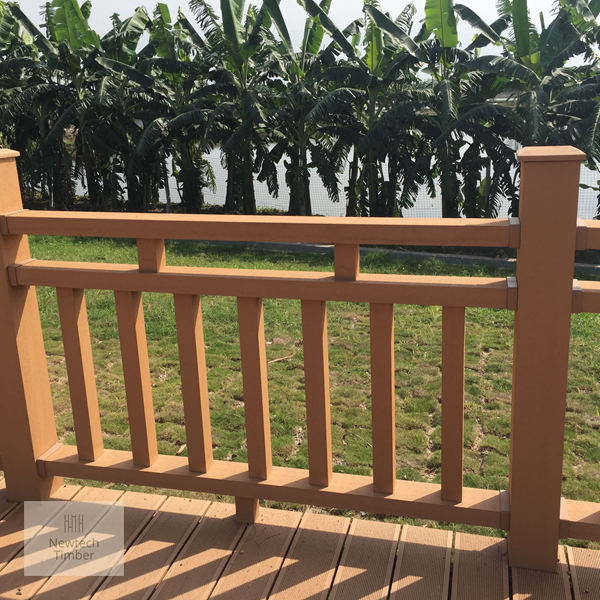
For international customers, the ideal formula is usually not the cheapest option but the one that provides the best relationship between investment and lifespan. Export markets often require products that can perform in different climates, so Guangdong factories analyse regional conditions before recommending material structures. A decking formula for a tropical coastal area may require different protection levels compared with products designed for cooler regions.
Formula Development for Different Outdoor Applications
Each WPC application has specific engineering targets. Decking boards require high bending strength, slip resistance and surface durability because they receive frequent foot traffic. Wall cladding focuses more on weather resistance and appearance retention. Fencing systems need balanced stiffness and impact resistance, while pergolas and landscape structures require reliable dimensional stability for long-term installation performance.
WPC engineers use extrusion trials, laboratory testing and field feedback to refine formulas before mass production. Parameters such as density, tensile strength, water absorption and ageing performance provide important data for improving product reliability. This technical approach helps factories support OEM projects where customers need customised colours, profiles, textures and performance standards.
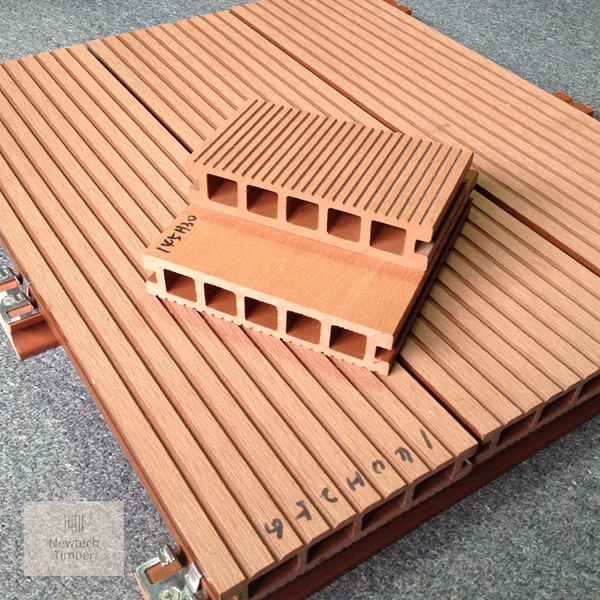
Quality Development Through Factory Expertise
Guangdong WPC manufacturers continue to improve composite material technology by combining material science with practical production experience. A strong formulation system supports stable extrusion, efficient manufacturing and dependable outdoor performance. From raw material inspection to final product evaluation, every stage influences the quality of the finished product.
For architects, distributors and project developers, working with experienced WPC engineers provides access to formulas designed for real environmental challenges. Careful control of wood fibre, plastic content and additives allows composite products to achieve natural aesthetics, reliable function and a longer usable life across global outdoor applications.

