Composite Wood Deck Material Selection Criteria for Landscape Projects
Landscape engineering projects require decking materials that balance appearance, performance, maintenance needs and long-term value. For commercial developments, resorts, public gardens and residential communities, selecting the right composite wood deck material involves more than choosing a surface colour or texture. Engineers and buyers need to assess raw material quality, production standards, environmental resistance and installation requirements before placing large volume orders.
Professional WPC manufacturers evaluate wood fibre composition, polymer quality, additives and extrusion technology to create boards with consistent density and strength. A reliable composite wood deck material should maintain dimensional stability under temperature changes, resist moisture absorption and provide reliable performance in outdoor environments. These factors directly influence project lifespan, customer satisfaction and future maintenance costs.
Material Composition and Manufacturing Quality Control
The performance of WPC decking begins with controlled raw material selection. High-grade wood fibres should have suitable moisture levels and particle sizes to achieve uniform mixing with polymers. Recycled materials can support sustainable construction goals, but strict quality control is required to prevent inconsistent colour, reduced strength or surface defects. Experienced manufacturers use advanced testing procedures to inspect incoming materials before production.
During extrusion, precise temperature management, pressure control and cooling systems determine the final board structure. A professional WPC extrusion factory monitors density, hardness, profile accuracy and surface treatment throughout manufacturing. Buyers working with international suppliers should review production capabilities, quality inspection processes and OEM customisation options to ensure the decking meets regional climate conditions and engineering specifications.
Performance Requirements for Outdoor Landscape Applications
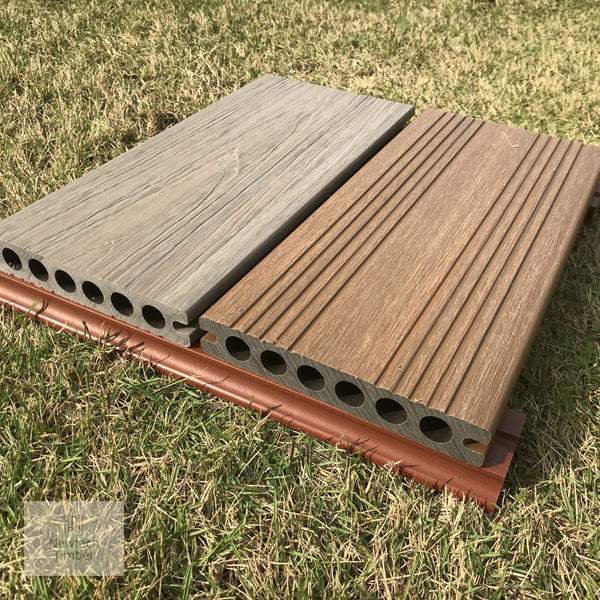
Landscape engineering projects often expose decking systems to sunlight, rainfall, humidity and frequent use. A suitable composite wood deck material must provide resistance against fading, cracking, warping and biological damage. Co-extruded WPC boards with protective surface layers are increasingly selected for premium outdoor applications because they offer improved stain resistance and enhanced colour stability.
Project designers and application engineers also consider load capacity, board thickness, span distance and fixing systems. Commercial walkways, pool surrounds and public spaces require decking solutions designed for safety and continuous traffic. Anti-slip textures, hidden fastening systems and accurate mould design help installers achieve attractive finishes while maintaining structural reliability.
Design Flexibility and International Project Requirements
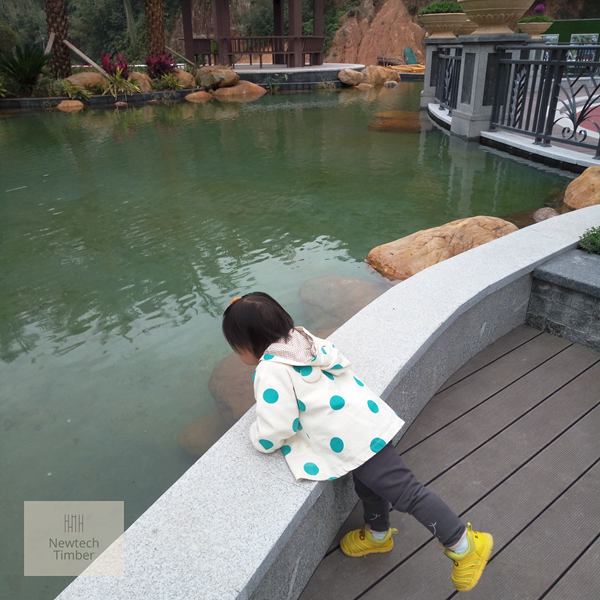
Modern landscape designs demand materials that combine natural aesthetics with technical performance. Outdoor WPC manufacturers provide a wide range of colours, grain patterns and profile designs to support different architectural concepts. Composite decking can be adapted for gardens, balconies, terraces, waterfront areas and hospitality projects where visual consistency is important.
For international buyers, product compliance and customisation services are important purchasing factors. Export specialists and OEM partners should provide detailed specifications, packaging solutions and installation guidance for different markets. A dependable supplier understands regional building practices and can support architects, contractors and distributors with technical documents, samples and project-based recommendations.
Supplier Evaluation for Long-Term WPC Partnerships
Choosing a composite decking supplier involves evaluating more than product pricing. Factory experience, production capacity, quality certifications and after-sales support all affect project success. A manufacturer with professional engineering teams can assist with formula development, mould optimisation and product improvements based on customer requirements.
Reliable suppliers also focus on sustainable manufacturing practices by improving material efficiency and developing recyclable solutions. For landscape engineering companies and construction material distributors, working with a specialised WPC manufacturer creates a stable supply chain and reduces risks associated with inconsistent product quality. Detailed communication between designers, engineers and manufacturers helps deliver decking systems that match both technical expectations and market demand.
Future Trends in Composite Decking for Landscape Engineering
The demand for low-maintenance outdoor materials continues to grow as architects and developers seek sustainable alternatives to traditional timber. Advances in polymer technology, surface finishing and manufacturing automation are improving the appearance and durability of composite wood deck material. Future products are expected to provide greater design options, enhanced environmental performance and improved adaptability for complex outdoor projects.
For global buyers, selecting the right WPC decking partner means considering material expertise, engineering support and manufacturing consistency. A well-developed composite decking solution can support landscape projects with dependable performance, attractive design and reduced maintenance requirements throughout its service life.

