Benefits of Composite Decking Tongue and Groove Design
The composite decking tongue and groove design has rapidly become a preferred choice among manufacturers and builders alike, and for good reason. This innovative approach to decking not only enhances the aesthetic appeal of outdoor spaces but also significantly improves installation performance. By utilising a tongue and groove system, each board interlocks securely with its neighbour, creating a smooth, continuous surface. This design minimizes gaps, resulting in fewer chances for debris to accumulate and moisture to penetrate, which is essential for maintaining the integrity of outdoor installations over time.
Moreover, the tongue and groove method allows for more straightforward alignment and placement of boards during installation. The ease of fit between the boards translates to quicker assembly, reducing labour costs and installation time. For outdoor WPC manufacturers, this means greater efficiency in production and a more streamlined process that can be passed on to distributors and contractors, fostering satisfaction among end-users.
Enhanced Durability through Composite Materials
Composite decking is engineered from a blend of wood fibres and recycled plastic, which results in a highly durable product. The tongue and groove design further enhances this durability as the tight interlocking of boards helps resist warping and splitting. When installed correctly, this system ensures that the pressure exerted by foot traffic is evenly distributed along the surface, reducing the risk of damage.
Additionally, the inherent resistance of composite materials to moisture, rot, and insects means that tongue and groove systems can withstand harsh weather conditions far better than traditional wooden decking. This is a crucial selling point for international buyers looking for reliable outdoor solutions that require minimal maintenance. The longevity of composite decking translates to cost savings over time, making it a highly attractive option for contractors and architects looking to provide their clients with lasting value.
Cost-Effective Installation and Maintenance
One of the most significant advantages of using composite decking tongue and groove systems lies in the cost-effectiveness of both installation and maintenance. As mentioned, the design allows for quicker installation times due to its user-friendly nature. Fewer tools and materials are needed to secure boards in place, which can lead to lower upfront costs for projects. This is particularly appealing for large-scale developments where budgets are tight and efficiency is paramount.
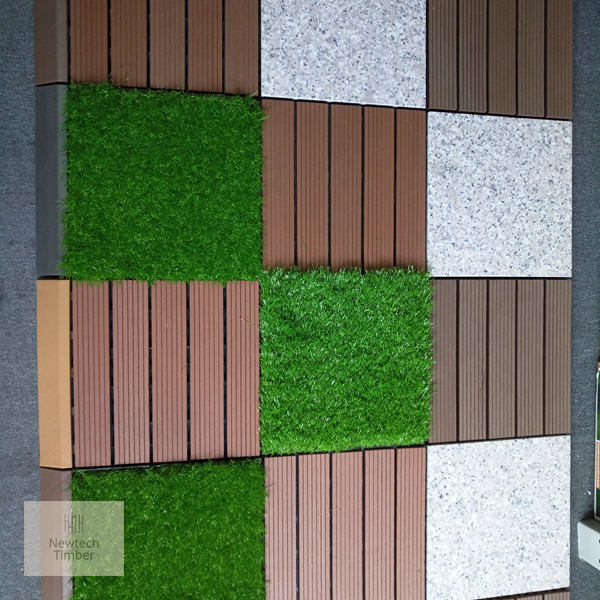
The maintenance of composite decking is also minimal compared to traditional wood options. With no need for staining, sealing, or constant upkeep to protect against the elements, end-users can save on long-term maintenance costs. This appeal is critical for international buyers who may be evaluating the total cost of ownership for their projects. The reduced need for repairs and replacements makes composite decking an economically sound choice for retail and commercial applications.
Visual Appeal and Design Versatility
The tongue and groove system in composite decking not only serves functional purposes but also enhances the aesthetic appeal of outdoor spaces. The sleek finish created by tightly fitting boards provides a polished look that is often desired in both residential and commercial projects. This visual appeal is enhanced by the variety of colours and textures available, allowing architects and designers to match their decking choices to the overall theme of their developments.
Furthermore, composite decking can be designed to mimic the appearance of natural wood while offering the additional benefits of modern materials. This versatility attracts a broader range of customers, from homeowners looking to enhance their gardens to commercial developers aiming to create inviting outdoor areas. The ability to customise designs and fit them within specific project parameters makes composite decking an appealing choice for a diverse array of applications.
Environmental Considerations and Sustainability
As sustainability becomes a more pressing issue across industries, the eco-friendly nature of composite decking tongue and groove systems cannot be overlooked. Made primarily from recycled materials, composite products contribute to waste reduction and resource conservation. This aligns with the growing demand from consumers for environmentally responsible building solutions.
Manufacturers that prioritise sustainability and promote their use of recycled materials can appeal to international buyers who are increasingly favouring eco-friendly options. By highlighting the environmental benefits of composite decking, manufacturers can differentiate themselves from competitors and position their products as a responsible choice for modern construction.
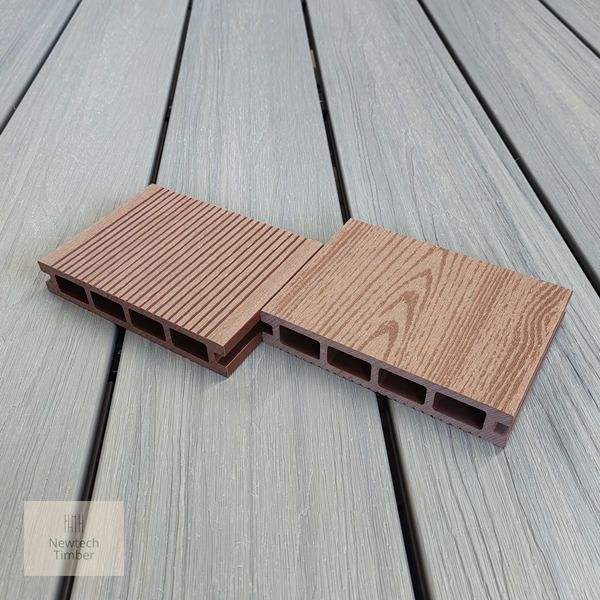
In the competitive world of outdoor construction, the composite decking tongue and groove design stands out as a superior solution for improving installation performance. With its numerous advantages, including enhanced durability, cost-effectiveness, aesthetic appeal, and sustainability, it is clear that this innovative design is here to stay. For manufacturers, builders, and architects, adopting tongue and groove composite decking is not just a trend but a strategic decision that addresses both immediate project needs and long-term sustainability goals.

