Enhancing Outdoor Aesthetics with WPC Deck Paneling
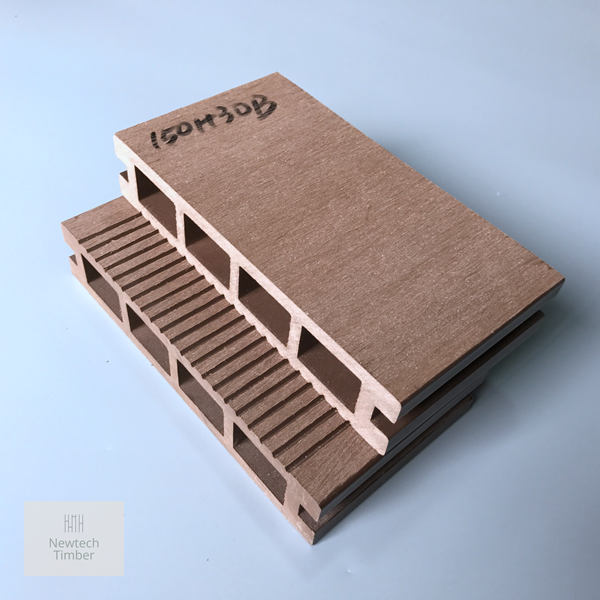
WPC deck paneling is increasingly becoming the material of choice for architects and landscape designers aiming to elevate the aesthetic appeal of outdoor spaces. The combination of wood fibres and recycled plastic in WPC creates a material that not only mimics the natural beauty of traditional timber but also offers a modern, sleek finish. This flexibility in design allows professionals to craft visually stunning outdoor environments that truly reflect the client’s vision while ensuring durability and longevity.
The versatility of WPC deck paneling enables it to blend seamlessly with various architectural styles. Whether it’s rustic charm or contemporary elegance, WPC can be tailored to suit the specific requirements of any project. The ability to choose from a range of colours and textures means that designers can achieve the desired look without compromising on performance.
Durability and Low Maintenance Benefits
One of the hallmarks of WPC deck paneling is its exceptional durability. Unlike traditional wood, WPC is resistant to rot, warping, and insect damage, making it an ideal choice for outdoor applications. This resilience ensures that the outdoor floor retains its pristine appearance for years, even in the face of the elements. Landscape designers appreciate this advantage, as it reduces the need for frequent repairs and replacements, ultimately leading to lower maintenance costs for the client.
The low-maintenance nature of WPC also appeals to homeowners and businesses alike. Unlike conventional decking materials that require regular staining, sealing, or painting, WPC only needs occasional cleaning with soap and water. This not only saves time but also allows for a stress-free outdoor experience, enabling users to enjoy their spaces without the burden of constant upkeep.
Environmental Considerations in Material Selection
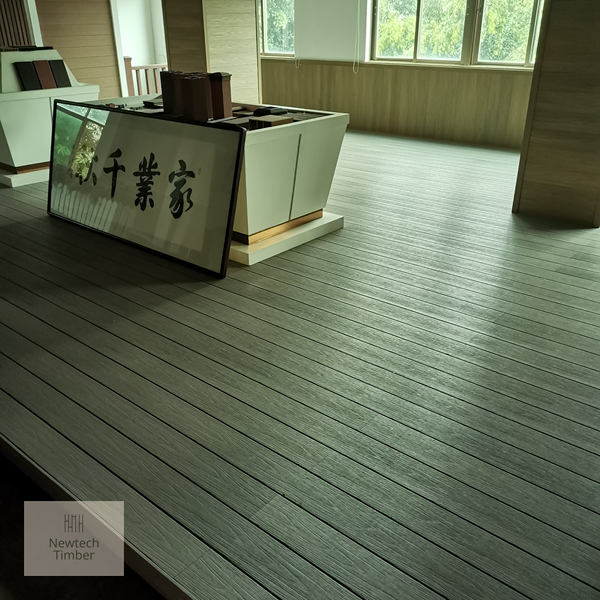
In today’s environmentally conscious society, selecting sustainable materials is paramount. WPC deck paneling is crafted from recycled plastics and sustainably sourced wood, aligning with the growing trend towards eco-friendly construction practices. As a landscape engineering consultant, I advise architects and designers to consider the environmental impact of their material choices. By opting for WPC, they not only contribute to reducing landfill waste but also promote the use of sustainable resources in their projects.
Moreover, the production of WPC generates fewer carbon emissions compared to traditional timber processing. This aspect is becoming increasingly important for clients who wish to align their projects with sustainability goals. Choosing WPC not only enhances the outdoor appearance but also reinforces a commitment to environmental stewardship.
Design Flexibility and Customisation Options
WPC deck paneling offers an impressive range of design possibilities that can cater to various project needs. The boards can be customised in terms of length, width, and thickness, allowing for tailored solutions that fit specific architectural designs. Whether it’s creating intricate patterns or broad, sweeping surfaces, WPC can accommodate diverse design visions, making it a favourite among landscape designers.
Furthermore, the material can be easily worked with, allowing for creative installations such as curved decks or multi-level structures. This flexibility opens a myriad of possibilities for designers aiming to push the boundaries of traditional outdoor flooring. The ease of installation also ensures that project timelines are met without compromising quality, thus enhancing overall project efficiency.
Case Studies: Successful WPC Deck Paneling Applications
Numerous successful projects have showcased the advantages of WPC deck paneling in enhancing outdoor spaces. For instance, a recent project involving a public park utilised WPC to create boardwalks that blended beautifully with the surrounding nature while providing a durable surface for visitors. The natural look of the WPC complemented the landscape, improving the overall user experience.
Similarly, a private residential project featured WPC deck paneling around a swimming pool area, providing a safe, slip-resistant surface. The aesthetic appeal was further enhanced with integrated lighting, demonstrating how WPC can be used not only for functionality but also as a key element of outdoor design. Such case studies exemplify how WPC deck paneling can transform outdoor environments, making them both beautiful and practical.

