Enhancing Aesthetic Appeal with WPC Exterior Wall Paneling
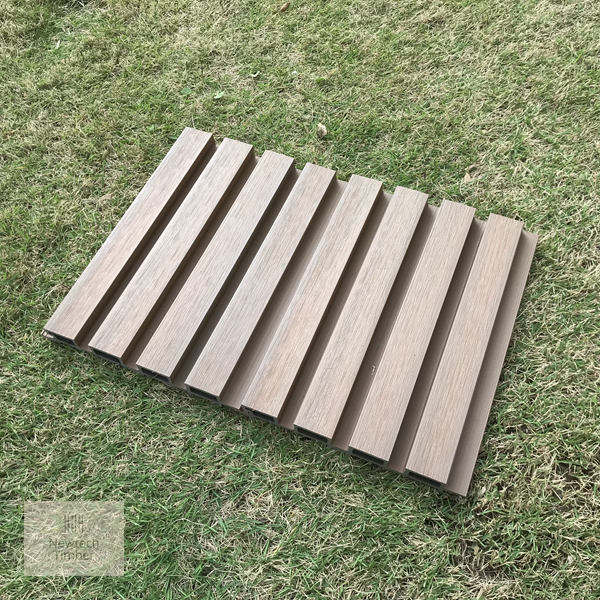
WPC exterior wall paneling serves as an innovative solution for transforming the facade of buildings, addressing the dual needs of aesthetic appeal and practical functionality. This modern material combines wood fibres and thermoplastics, yielding a product that not only elevates the visual attractiveness of structures but also withstands the rigours of outdoor conditions. The versatility of WPC wall paneling allows architects and builders to explore a myriad of design possibilities, offering an extensive palette of colours, textures, and finishes that enhance the overall appearance of both residential and commercial buildings.
As urbanisation continues to accelerate across the globe, the demand for attractive yet sustainable building materials is on the rise. WPC exterior wall paneling meets this demand by providing an eco-friendly alternative to traditional materials. Its lightweight composition simplifies installation processes, saving both time and labour costs. Additionally, the long lifespan of WPC products reduces the need for frequent replacements, contributing to a more sustainable construction cycle.
Durability and Maintenance Advantages
One of the primary reasons for the increasing adoption of WPC exterior wall paneling is its remarkable durability. Unlike traditional wood, WPC is resistant to rot, moisture, and pests, which are common challenges faced by exterior materials. This resilience ensures that buildings maintain their aesthetic appeal over time, without the need for extensive maintenance. Moreover, WPC materials do not fade in sunlight and are easy to clean, allowing for a consistently pristine appearance.
The reduced maintenance requirements not only benefit building owners but also contribute to the overall cost-effectiveness of WPC paneling. Property developers and construction companies are recognising the financial advantages associated with using this material, particularly in climates that traditionally wear down wood products. The longevity and robustness of WPC wall paneling align perfectly with the growing trend towards sustainable and cost-effective building practices.
Global Trends in Composite Materials
The market for composite materials, particularly WPC, is witnessing significant growth worldwide. According to recent studies, the global market for WPC is expected to experience a compound annual growth rate (CAGR) of over 12% in the coming years. This increase is being driven by a combination of factors, including rising environmental awareness and a shift towards sustainable construction practices. Regions such as North America and Europe are at the forefront of adopting these materials, with an emphasis on eco-friendly building solutions.
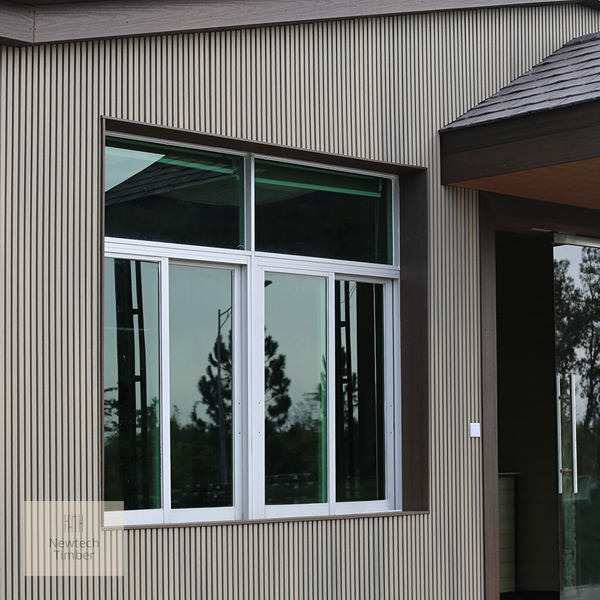
Moreover, the Asia-Pacific region is emerging as a key player in the WPC market, driven by rapid urban development and an increasing population. As more cities expand, the demand for innovative building materials that can enhance urban aesthetics while providing durability is paramount. Industry experts anticipate that advancements in WPC technology will continue to propel this market forward, with new formulations and applications being developed to meet evolving consumer preferences.
Future Market Opportunities for WPC Products
The future of WPC exterior wall paneling is filled with opportunities, especially as architects and builders seek to differentiate their projects in a competitive market. With the rise of eco-conscious consumers, there is a growing expectation for building materials to be not only functional but also sustainable. WPC products are increasingly being considered in high-end residential projects, commercial buildings, and even public infrastructures.
Moreover, the integration of smart technology in WPC products represents a notable opportunity for innovation. As the Internet of Things (IoT) continues to gain traction, WPC manufacturers have the potential to develop smart panels that can monitor environmental conditions, optimise energy efficiency, and enhance user comfort. This intersection of technology and sustainable materials will likely captivate a new generation of consumers who prioritise both aesthetics and functionality in their building choices.
Applications Beyond Wall Cladding
WPC’s versatility extends beyond just exterior wall paneling, with various applications in fencing, decking, and landscaping. The material’s strength and resistance to the elements make it particularly suitable for outdoor environments, where durability and low maintenance are crucial. As designers increasingly move towards creating cohesive outdoor spaces, the synergy between WPC wall cladding and other products such as fencing and decking allows for a seamless design language throughout a property.
The outdoor living trend, which encourages the use of outdoor spaces as extensions of the home, is further bolstering demand for WPC products. Homeowners are looking for ways to create inviting spaces that not only enhance their properties but also provide functional outdoor areas for entertainment and relaxation. Thus, manufacturers focusing on integrated solutions that combine wall paneling with complementary landscaping products are likely to gain a competitive edge.
The growing popularity of WPC exterior wall paneling is a clear indication of the shifting landscape in building materials. With its unique blend of aesthetic appeal, durability, and sustainability, WPC stands poised to redefine how we approach building design and construction. As market opportunities expand, industry stakeholders must remain attuned to changing consumer preferences and emerging technologies to stay ahead in this dynamic market.

