Designing Composite Decks for Above Ground Pool Areas
Creating an inviting outdoor space around an above ground pool involves careful consideration of materials and design. The use of composite decking has gained popularity in recent years due to its durability and aesthetic appeal. When designing a composite deck for above ground pool areas, the focus should be on selecting materials that enhance safety while providing a stylish environment. Composite decking is available in a variety of colours and textures, allowing homeowners to personalise their outdoor spaces to suit their aesthetic preferences.
Modern trends in composite decking design incorporate a range of profiles and modular designs that can transform the functionality and appearance of any poolside area. The versatility of these materials means that they can mimic the look of natural wood without the drawbacks of maintenance. This feature alone positions composite decking as a favourite choice among homeowners looking to enhance their outdoor experience.
Innovative Colour and Texture Choices
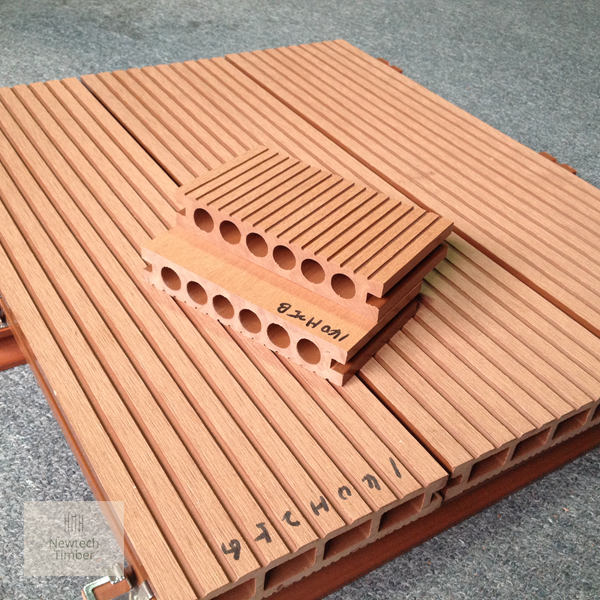
Colour selection plays a significant role in the overall ambiance of the pool area. Trending colours often reflect natural tones, such as greys, browns, and muted blues, which harmonise beautifully with the surrounding landscape. The introduction of textured finishes adds another layer of sophistication, providing not only visual interest but also functionality by improving grip, making the deck safer for wet feet. This attention to colour and texture ensures that the composite deck complements the pool’s water while creating a cohesive look that is both stylish and practical.
Textured surfaces are also a practical solution, as they help to reduce the risk of slipping, particularly in areas exposed to water splashes. By choosing textured composite boards, homeowners can enhance safety without compromising on style. The modern aesthetic is all about blending functionality with beauty, and composite decking achieves this perfectly.
Profiles that Enhance Functionality
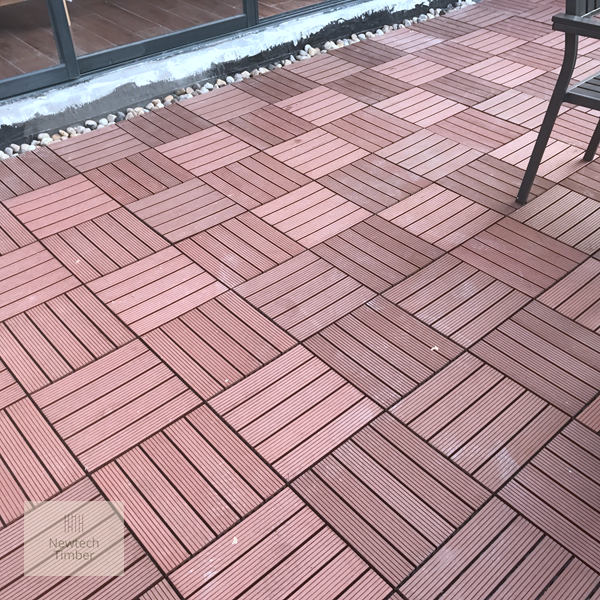
The profile of the composite decking boards can greatly influence the overall look and performance of the deck. Wider boards create a seamless appearance and can reduce installation time, while narrower boards offer a more traditional look. Innovative designs, including interlocking or modular profiles, facilitate easy installation and adjustments, making the decking adaptable to any shape or size of pool area.
Additionally, the integration of built-in features such as hidden fasteners enhances the deck’s aesthetic by eliminating visible screws and nails. This minimalist approach not only looks clean but also helps protect the surface from damage, prolonging its lifespan and maintaining the beauty of the deck for years to come.
Creating Multi-Functional Outdoor Spaces
Incorporating features such as wall panels, fences, and pergolas into the design can create a more cohesive outdoor living area. Composite wall panels can serve as backdrops for seating areas or as privacy screens around the pool, adding another layer of design while offering functional benefits. These wall panels can be designed to match the composite decking, creating a unified look that enhances the overall aesthetic.
Moreover, pergolas and gazebos can provide shaded spaces that encourage relaxation and socialising. These structures can be designed with composite materials to ensure longevity and low maintenance. By thinking beyond just the deck, designers can create a comprehensive outdoor environment that encourages leisure and enjoyment.
Benefits of Modular Designs
Modular designs are increasingly favoured for their adaptability and ease of installation. These systems allow for easy reconfiguration, catering to evolving needs as families grow or change. For example, a simple composite deck can be easily expanded with additional sections or features like seating areas and planters without requiring extensive renovation work.
Furthermore, modular designs are often more sustainable, with manufacturers focusing on eco-friendly materials and practices. This aligns well with the growing trend towards sustainability in building materials, ensuring that the outdoor area is not only beautiful but also environmentally responsible.

