Material Mixing for 2.4m Composite Decking
The journey of creating 2.4m composite decking begins with the careful selection and mixing of raw materials. The primary components include wood flour, thermoplastic resins, and various additives that enhance the performance and longevity of the final product. Finding the right proportions is essential, as it directly affects the durability, aesthetics, and resistance to environmental factors of the decking. An experienced WPC extrusion technology engineer must ensure that the wood flour is finely ground and uniformly distributed, preventing any clumping that could lead to inconsistencies in the decking.
During the mixing phase, additives such as UV stabilisers and colourants are introduced to enhance the decking’s resistance to fading and wear over time. The blending process requires precise temperature control, as excessive heat can degrade the materials. This initial stage sets the foundation for a high-quality 2.4m composite decking product that meets both residential and commercial needs.
Pelletizing the Composite Materials
After mixing, the next step is pelletizing, which involves extruding the blended materials into small, uniform pellets. This stage is crucial because it ensures that the composite materials can be efficiently processed during the subsequent extrusion phase. The pellet size must be consistent to ensure even melting and flow through the extruder. Variability in pellet size can lead to problems such as blockages or uneven material distribution in the final product.
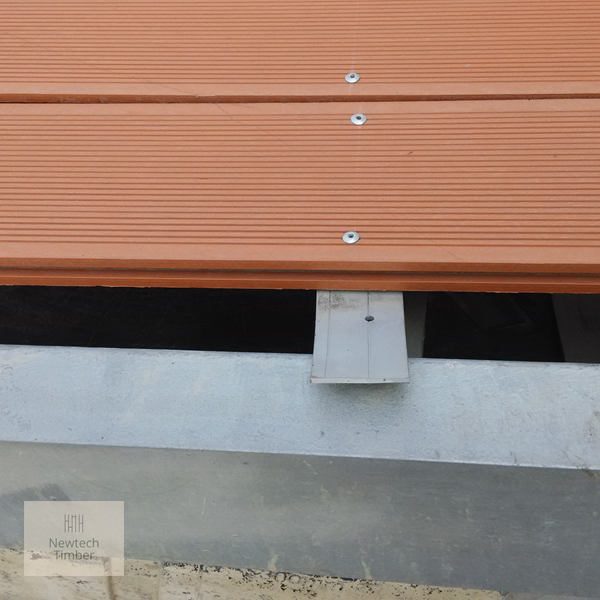
Moreover, the pelletizing process requires careful attention to the cooling rates and the temperature of the material being extruded. Too high a temperature can cause thermal degradation, while too low a temperature may result in incomplete melting. Achieving the right balance is vital for producing high-quality 2.4m composite decking that performs well under various conditions.
Extrusion Temperature Control
The extrusion process itself is where the magic happens. Controlling the temperature throughout the extrusion line is essential for maintaining the integrity of the composite material. Ideally, temperatures should be monitored closely, as different materials have varying melting points and can behave unpredictably if subjected to temperature fluctuations.
Temperature zones in the extruder must be set according to the specific formulation of the composite materials. For example, the feed zone typically operates at a lower temperature to allow for proper melting of the pellets, while the metering zone requires higher temperatures for optimal material flow. Engineers must ensure that the temperatures are kept within recommended ranges to produce 2.4m composite decking that is strong and resilient.
Mold Design and Cooling Calibration
The design of the mold plays a critical role in shaping the final product. For 2.4m composite decking, the molds must be engineered to provide the desired thickness, width, and surface texture. The cooling calibration process is equally significant, as it dictates how quickly the decking cools once extruded. A well-designed cooling system prevents warping or distortion by ensuring that the decking maintains its shape as it solidifies.
Cooling must be uniform to avoid internal stresses that can lead to cracking or failure. Water baths or air cooling systems are often employed, and their efficiency must be carefully monitored. Engineers need to balance the cooling rates with the material’s properties, ensuring the final product not only looks good but also has the durability required for outdoor applications.
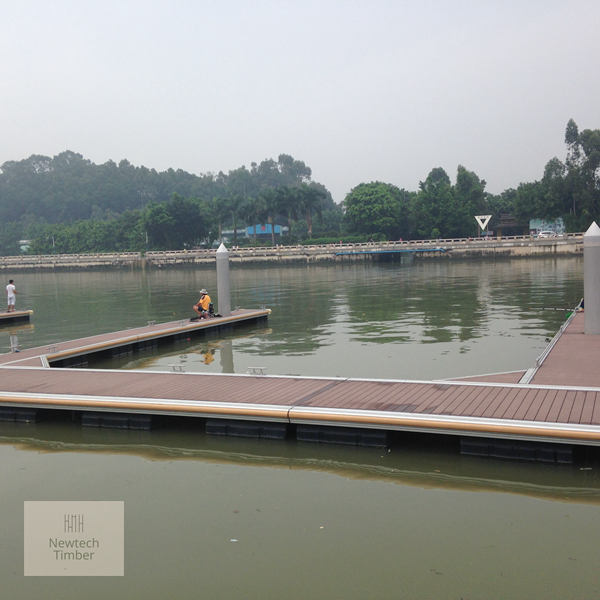
Surface Treatment Techniques
The surface of 2.4m composite decking requires proper treatment to ensure it is both aesthetically pleasing and functional. Surface treatments may include embossing for texture, colour application, and protective coatings to enhance resistance to stains and scratches. These treatments not only improve the visual appeal but also provide a layer of durability against the elements.
Different surface treatments are performed post-extrusion, and their quality can significantly impact the decking’s performance. For instance, if the surface is not properly treated, it may be more susceptible to moisture absorption and fading. Therefore, quality control measures must be in place to assess the effectiveness of surface treatments during production.
Common Production Problems in WPC Decking
Another frequent problem is the presence of voids or bubbles within the decking. These defects can arise from inadequate mixing or improper temperature control, which can compromise the structural integrity of the decking. Addressing these production challenges requires a well-trained team and a commitment to maintaining high standards, ensuring that every 2.4m composite decking that leaves the facility is of the highest quality, suitable for both residential and commercial applications.

