Choosing the Right Thickness for WPC Cladding
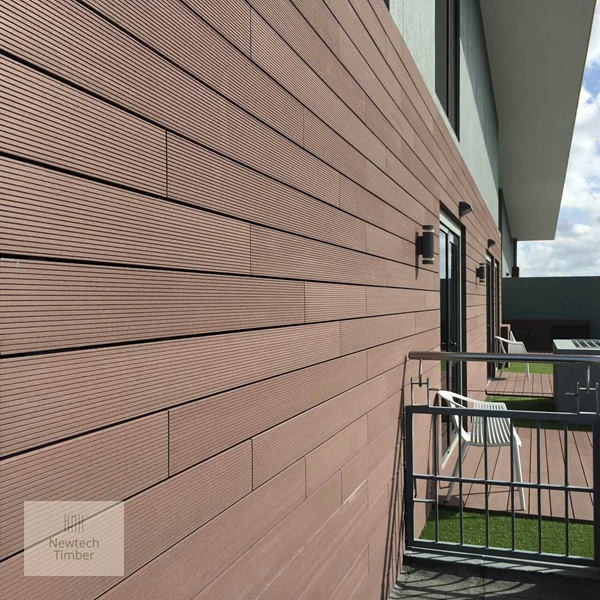
In the realm of outdoor construction, one of the pivotal considerations is WPC cladding thickness. Selecting the appropriate thickness is not merely a matter of aesthetics; it directly influences the product’s durability, appearance, and performance. Thickness will dictate how well the cladding can withstand environmental stressors such as rain, UV exposure, and temperature fluctuations. A thicker WPC cladding typically offers greater strength and resistance to warping or fading, making it a wise choice for high-traffic areas or harsh climates.
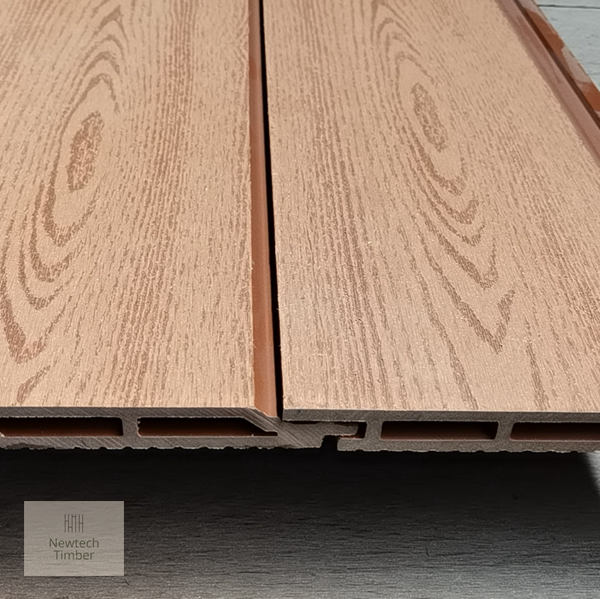
When evaluating the thickness, it’s vital to also consider the specific application of the cladding. For instance, a project requiring enhanced thermal insulation might benefit from a thicker material, while projects focused on lighter structures may opt for a thinner profile to reduce weight without sacrificing performance. It is essential to balance aesthetic preferences, building regulations, and structural requirements to achieve the optimal choice.
The International Purchasing Process
Engaging in the international purchasing process for WPC cladding begins with obtaining a quotation. As a foreign trade export specialist, I facilitate this by providing potential clients with detailed product specifications, including the various options for WPC cladding thickness. Clients can request samples to assess the physical characteristics of the products, ensuring they meet their expectations in terms of quality and design.
Once a sample is approved, the next steps involve placing an order, which includes discussing quantities, pricing, and payment terms. Clarity during this stage is crucial to avoid misunderstandings and ensure a smooth transaction. It is also wise to define delivery timelines clearly, as this can directly affect project schedules on the client’s end.
Packaging and Container Loading
After finalising the order details, attention shifts to packaging. Proper packaging is vital to protect the WPC cladding from damage during transit. Each product is carefully packed to avoid scratches or bending, ensuring they arrive in pristine condition. Containers are typically loaded in a systematic manner to maximise space and minimise movement during shipping. This is an essential part of logistics management, as efficiently loaded containers can save costs and reduce the environmental impact of transporting goods.
Communication with the shipping company to confirm loading schedules and container integrity is paramount. Timely loading ensures that the shipping process adheres to the agreed-upon timelines. As an export specialist, I ensure that all logistical arrangements are meticulously coordinated to facilitate a seamless flow from the manufacturer to the client’s desired location.
Shipping Documentation
Shipping documents are the backbone of international trade. They provide vital information about the shipment and ensure compliance with customs regulations. Key documents include the bill of lading, commercial invoice, and packing list, all of which must accurately reflect the details of the shipment, including WPC cladding thickness and quantities. Mistakes in documentation can lead to costly delays, so meticulous attention is required.
Furthermore, depending on the destination country, additional certifications or compliance documents may also be necessary. Understanding these requirements is critical for a successful export process, underscoring the importance of having an experienced professional managing these aspects of the transaction.
Collaboration with Overseas Distributors
Building strong relationships with overseas distributors can enhance the efficiency of WPC cladding distribution. These partnerships allow for a better understanding of market needs and preferences, especially regarding thickness specifications. Distributors often have insights into local regulations and consumer trends, which can guide product development and marketing strategies.
Effective collaboration involves regular communication, training about the products, and perhaps even joint marketing efforts to promote the benefits of choosing the right WPC cladding thickness. By working closely with distributors, we can ensure that clients receive not only products that meet their specifications but also support throughout their purchasing journey.

