Evaluating WPC Wall Panel Profiles
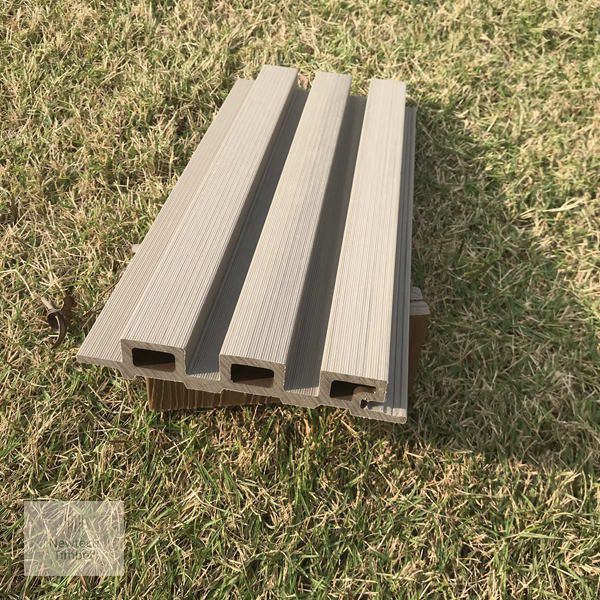
The design of WPC wall panels significantly affects their functionality and cost, making it crucial to evaluate profiles carefully. Different profile designs, such as hollow and solid structures, showcase varying benefits and drawbacks. Hollow structures, often lighter in weight, are typically less expensive due to less material usage. However, they may compromise strength and durability, particularly in areas subjected to high impact. Solid structures, while heavier and generally higher in price, offer superior resilience and longevity, which could justify the higher wpc wall panel price in the long term.
Additionally, rib designs can enhance the overall structural integrity of wall panels without dramatically increasing weight. These ribs add strength and help distribute load more evenly. Consequently, panels designed with ribs may carry a slightly higher price but offer better performance, especially in demanding settings. When assessing WPC wall panel prices, one must consider how these design elements align with the intended application.
The Influence of Surface Patterns on Aesthetics and Cost
Surface patterns on WPC wall panels serve not just an aesthetic purpose but also influence pricing. While a smooth surface may be less expensive to produce, textured patterns or embossed finishes require advanced manufacturing processes, which can elevate costs. However, these patterns can enhance the visual appeal of the panels, making them more attractive for high-end applications. The interplay between aesthetics and pricing is pivotal; while you may pay more for an intricately designed panel, the added value in terms of marketability can be substantial.
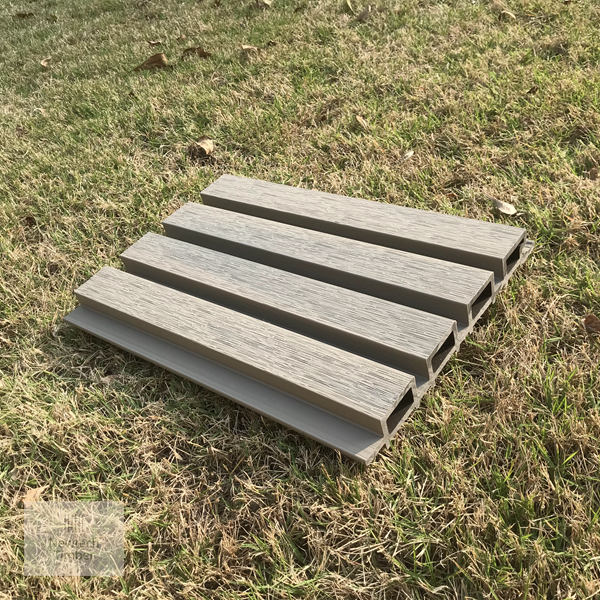
The ability to customise surface patterns can also affect the overall pricing strategy. Many manufacturers offer bespoke designs tailored to specific client needs, which can command a premium price. Therefore, understanding the balance between design complexity and cost is essential for making informed purchasing decisions.
Weight Considerations in WPC Wall Panels
Weight is another critical factor when comparing wpc wall panel prices. Heavier panels may indicate a denser material composition, resulting in better performance characteristics such as increased impact resistance and thermal insulation. However, higher weight can complicate installation, requiring additional labour and potentially more robust framing systems, which can increase the total project cost.
On the other hand, lighter panels may facilitate easier handling and quicker installation, reducing labour costs. Yet, if the lower weight comes at the expense of durability, the long-term costs could outweigh the initial savings. It is essential to weigh these considerations meticulously when selecting WPC wall panels, as the right choice hinges on balancing immediate expenses with future performance and maintenance costs.
Assessing Installation Performance
The installation performance of WPC wall panels is intrinsically linked to their design and material properties. Panels that are easier to install typically save time and labour costs, which can significantly influence the overall project budget. For example, panels designed with interlocking systems or reduced fastening requirements streamline the installation process, allowing for quicker assembly and lower labour costs.
Material Composition and Cost Implications
The composition of WPC materials also plays a vital role in determining both performance and cost. WPC is generally made from a blend of wood fibres and plastic polymers, and variations in these materials can significantly affect pricing. Higher-quality materials may lead to enhanced durability and resistance to environmental factors, allowing for longer service life and less frequent replacement.
When comparing prices, it is essential to examine the ratio of wood to plastic in the WPC formulation. A higher wood content can lead to a more natural appearance and feel, but may also increase the likelihood of wear and moisture absorption, which could raise maintenance costs over time. Conversely, a higher proportion of plastic could enhance durability and reduce maintenance but may lessen the aesthetic appeal. Ultimately, understanding these material characteristics is crucial for making an informed purchasing decision.
Long-Term Value vs. Initial Cost
When evaluating WPC wall panel prices, it is imperative to consider the long-term value as opposed to merely the initial cost. While lower-priced panels may seem attractive upfront, they could incur additional costs in repairs, replacements, and maintenance over time. Investing in higher-quality panels may provide better performance and durability, resulting in lower lifetime costs.
Additionally, panels that meet sustainability standards or have a lower environmental impact may command a higher price but appeal to eco-conscious consumers. This factor can enhance marketability, especially in sectors where sustainable building materials are increasingly demanded. The balance between initial investment and long-term performance should guide purchasing decisions, ensuring that the chosen WPC wall panels offer not only functionality but also economic efficiency over time.

