Composite Deck Layouts and Structural Integrity
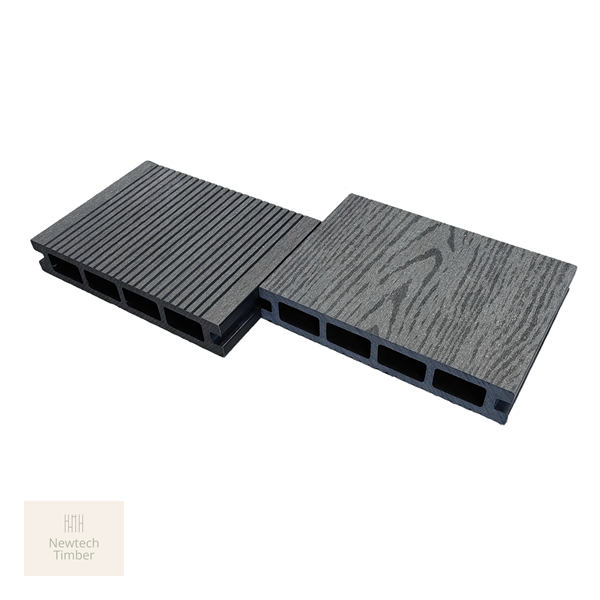
When designing composite deck layouts, the structural integrity of the materials used is paramount. WPC profile designs can significantly influence how well a deck can withstand various loads and environmental conditions. For instance, hollow structures tend to be lighter, which reduces overall weight and makes installation easier. However, this lightweight nature can sometimes compromise strength if not properly engineered. Solid structures, on the other hand, provide superior load-bearing capabilities but may increase the weight and thus the complexity of the installation process.
Rib designs are particularly effective in enhancing the strength of WPC profiles without adding excessive weight. By incorporating ribs into the profile, engineers can create a more resilient structure that can support heavier loads while maintaining a manageable weight for installation. This is particularly important for composite deck layouts in areas that are expected to bear significant foot traffic or hold heavy furniture.
Cost Considerations in WPC Design
The choice between hollow and solid structures is not merely a matter of strength and weight; it also greatly affects cost. Solid profiles often require more raw material, leading to higher costs. Conversely, hollow profiles, while economical, can necessitate careful design considerations to ensure they meet the required strength specifications. Designers must balance the initial material costs against the long-term performance of the deck, factoring in aspects such as longevity and maintenance requirements.
Another financial consideration is the complexity of the installation process. Designs that are easier to install can translate to lower labour costs. A well-thought-out WPC profile that simplifies the assembly process can ultimately save both time and money for the installer and the homeowner.
Surface Patterns and Aesthetic Appeal
Beyond functionality and cost, the aesthetic appeal of composite deck layouts cannot be overstated. Surface patterns play a significant role in the overall look and feel of outdoor spaces. Textured surfaces can enhance grip, making the deck safer, particularly in wet conditions. In addition, the visual appeal of patterns can elevate the style of a home, contributing to its value.
When considering surface patterns, it is also essential to think about the impact on maintenance. Smooth surfaces may be easier to clean but can become slippery when wet, while textured options may require more frequent cleaning but provide better traction. Engineers and designers must collaborate to ensure that aesthetic choices do not compromise safety or long-term functionality.
Installation Performance and Engineering Challenges
The performance during installation is a critical aspect that can greatly influence the final outcome of composite deck layouts. A well-designed WPC profile should allow for straightforward handling, cutting, and fastening. The geometry of the profile, including its ribbing and weight distribution, must facilitate ease of installation. A complicated design may lead to installation errors, which could affect the strength and durability of the deck.
Additionally, environmental factors play a role in installation performance. For example, in regions with high humidity or significant temperature fluctuations, WPC materials need to be designed to accommodate expansion and contraction. Proper engineering can mitigate these challenges, ensuring that the composite decks remain stable and secure over time.
Future Trends in WPC Deck Design
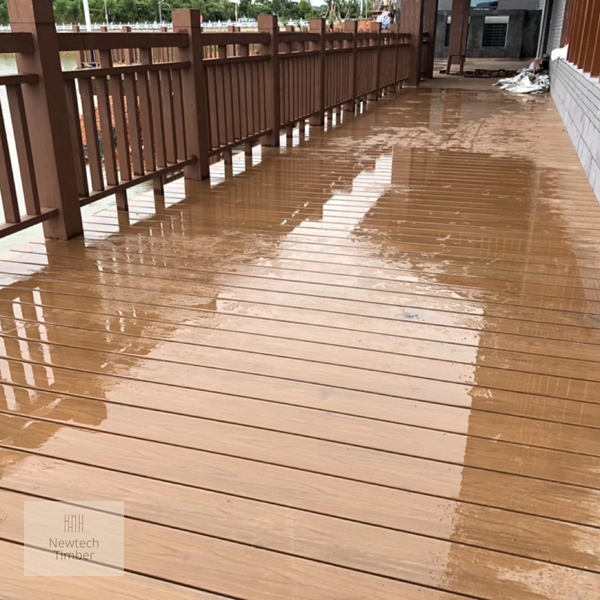
This commitment to sustainability is expected to shape future composite deck layouts, pushing the boundaries of what is possible in terms of design and performance. As the industry evolves, the collaboration between design engineers, architects, and manufacturers will be critical in creating innovative solutions that meet the needs of modern outdoor spaces.

