Materials Affecting Water Drainage on Composite Decks
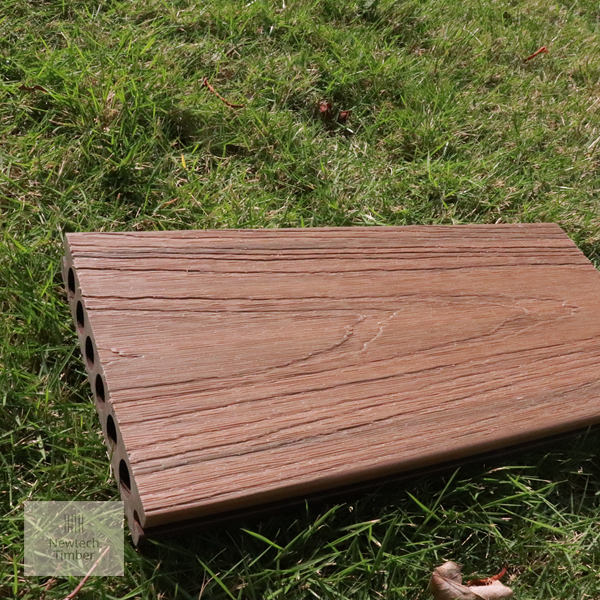
Composite decking, specifically wood-plastic composites (WPC), are designed to provide longevity and durability in outdoor conditions. The primary ingredients in WPCs, wood powder, HDPE or PVC polymers, and various additives, significantly influence the performance of the decking, particularly in preventing issues like water pooling on composite deck surfaces. The choice of wood powder is critical; different sources can affect the absorbency and strength of the material. For instance, finer wood powders tend to retain more moisture, which can exacerbate water pooling. Therefore, selecting a high-quality wood powder that has been treated to reduce moisture absorption is essential.
In addition to wood powder, the type of polymer used also plays a pivotal role. High-density polyethylene (HDPE) is commonly favoured for its excellent weather resistance and structural integrity. When formulating WPCs, ensuring the right balance of HDPE or PVC polymers can create a product that is impervious to water damage. This choice not only enhances the physical properties of the composite but also serves to minimise the risks associated with water pooling. The additives and pigments used can further strengthen these properties, providing UV stability and enhancing the aesthetic appeal without compromising durability.
Factory Inspection Practices for Quality Control
In a professional outdoor WPC factory, stringent quality control methods are imperative to ensure that the final product meets high standards. One effective inspection method is to conduct moisture content tests on the raw wood powder. This helps to determine the suitability of the material for composite production. Additionally, the use of melt flow index (MFI) tests on HDPE or PVC polymers can indicate their processing characteristics and compatibility with the wood powder. By evaluating these parameters, the factory can ensure that the materials used will contribute to the overall performance of the deck.
Another critical aspect of quality control involves assessing the final product for water drainage capabilities. This includes simulating rainfall conditions in controlled settings to observe how well the composite deck handles water runoff. Any instances of pooling can be traced back to material composition or design flaws, thus allowing for timely corrections. Regularly reviewing production processes and adhering to established quality standards ensures that the composite decks produced can withstand the rigours of outdoor environments.
Impact of Additives on Deck Performance
Additives are often included in WPC formulations to enhance specific characteristics such as flexibility, colour retention, and resistance to mould and mildew. These properties are vital in preventing water pooling on composite deck surfaces. For example, anti-static agents can mitigate the accumulation of dirt and debris, which often obstructs drainage pathways. Similarly, a combination of anti-fungal agents can prevent the growth of organisms that can degrade the surface and impact water flow.
The use of pigments not only adds aesthetic value but also helps in UV resistance, reducing the risk of fading and ensuring the longevity of the decking material. Proper formulation and application of these additives are crucial; otherwise, the composite may fail to perform as intended. Continuous testing during the manufacturing process ensures that these additives are providing the desired effects while maintaining the structural integrity of the decking.
Design Considerations for Effective Drainage
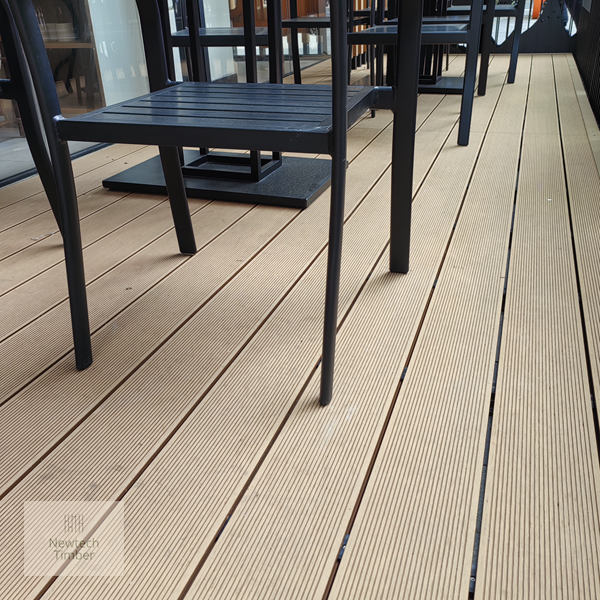
While materials play a significant role in the waterproofing and durability of composite decks, the design itself is equally critical in preventing water pooling. The angle of the deck, drainage channels, and surface texture are all factors that must be meticulously planned. A slight tilt in the surface can promote water runoff, while textured surfaces can create friction, preventing water from settling. In our factory, detailed design specifications are adhered to, ensuring that every composite deck produced not only meets aesthetic standards but also functions effectively in real-world conditions.
Furthermore, incorporating drainage solutions into the design can significantly mitigate issues associated with water pooling. For instance, integrated drainage systems can be designed to direct water away from the deck, thereby enhancing the overall performance of the outdoor WPC products. Collaboration between engineers and designers is essential to create decks that are not only visually appealing but also effective in managing water runoff.
Applying Industry Standards
The adherence to industry standards is fundamental in ensuring that composite decking products perform well over time. In our facility, we abide by international norms that set benchmarks for material quality and performance. Consistent testing for durability against weather elements, including water exposure, ensures that our products stand the test of time. By maintaining strict compliance with these standards, we safeguard against the risks associated with water pooling on composite deck surfaces.
Regular audits and third-party inspections are also conducted to validate that our manufacturing processes remain aligned with best practices. This commitment to quality not only enhances the credibility of our products but also reassures customers of their performance in various climates, ultimately contributing to a better user experience in outdoor living spaces.

