Benefits of 1 x 8 Plastic Lumber in Outdoor Construction
The use of 1 x 8 plastic lumber in outdoor construction has gained popularity among architects and landscape designers for its numerous advantages. This material, made from recycled plastics, offers an environmentally friendly alternative to traditional timber while providing exceptional durability. As a landscape engineering consultant, I have observed that this type of plastic lumber resists moisture, rot, and insects, making it an ideal choice for various outdoor applications.
One of the standout features of 1 x 8 plastic lumber is its low maintenance requirement. Unlike wood, which may need regular painting, sealing, or staining, plastic lumber requires minimal upkeep. This characteristic not only saves time and resources but also ensures that outdoor environments remain aesthetically pleasing throughout the year without frequent intervention.
Design Versatility and Aesthetic Appeal
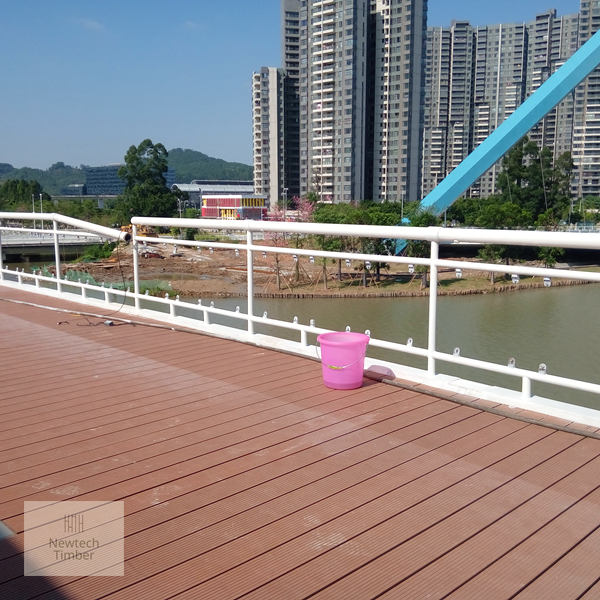
Architects and landscape designers appreciate the versatility of 1 x 8 plastic lumber in their projects. Available in a range of colours and finishes, it can mimic the appearance of natural wood while allowing for creative freedom in design. This adaptability makes it suitable for various applications, from decking and boardwalks to garden furniture and landscaping features.
The aesthetic appeal of plastic lumber can enhance the overall look of outdoor spaces, providing contemporary designs that align with modern architectural trends. Designers can create unique structures that blend seamlessly into their surrounding environments while benefiting from the longevity and resilience of plastic materials.
Project Considerations for Landscape Designers
When selecting 1 x 8 plastic lumber for a project, landscape designers must consider several factors. First, understanding the specific application is critical. Whether the lumber will be used for decking, edging, or structural elements can influence material choice, dimensions, and installation methods. For example, using thicker boards may be necessary for load-bearing applications, while thinner pieces might suffice for decorative purposes.
Secondly, site conditions play a significant role in material selection. Factors such as soil type, drainage, and exposure to environmental elements can affect the long-term performance of plastic lumber. Designers should assess the anticipated conditions to ensure that the chosen materials will withstand local weather patterns and environmental challenges.
Installation Techniques for Durability
Environmental Considerations