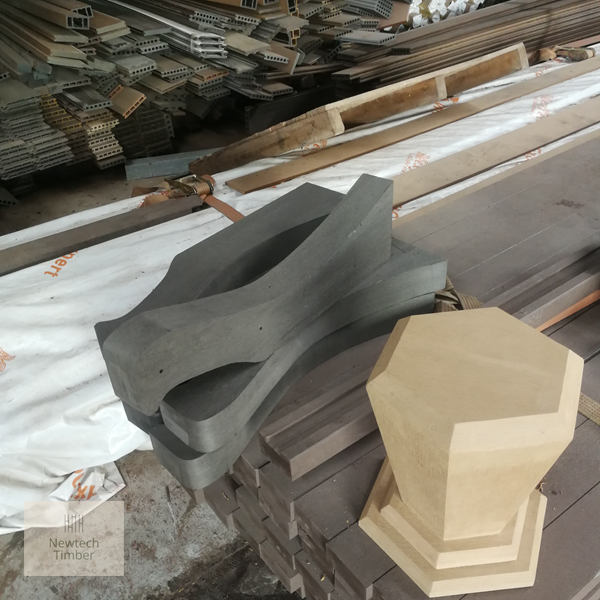
Testing 4×4 Plastic Timber for Outdoor Construction
The quality assurance process for 4×4 plastic timber is critical to ensure that these materials meet the high standards required for outdoor construction projects. As a WPC quality inspection supervisor, I oversee a series of rigorous tests designed to evaluate the performance and durability of these timber products before they are shipped to clients. Our testing begins with dimensional accuracy, which is fundamental to ensuring that the plastic timber fits seamlessly into design specifications. Each piece is measured against strict tolerances to confirm that it adheres to the dimensions promised during the ordering process.
Following dimensional checks, the density of the 4×4 plastic timber is assessed. Density is a significant indicator of material strength and durability, and it directly impacts the overall performance of the product. We test samples from each batch, ensuring they comply with industry standards. High-density boards are preferred for their resilience and longevity, making them ideal for outdoor applications.
Impact Resistance and Water Absorption Testing
Impact resistance testing is another critical step in our quality control process. This test simulates the stresses that the plastic timber might face during use, such as accidental drops or heavy loads. Each sample undergoes controlled impact tests to measure how well it can withstand sudden force without cracking or deforming. A high impact resistance rating is essential for outdoor construction, where materials are likely to be subjected to harsh conditions.
Water absorption is assessed next, as outdoor products are always exposed to moisture. We submerge samples in water for a specified duration and then weigh them to determine the amount of water absorbed. Excessive water absorption can lead to material degradation, so we ensure that our 4×4 plastic timber maintains low absorption levels, thus extending its service life and structural integrity.
Evaluating Colour Stability and Bending Strength
Colour stability is a vital aspect of the aesthetic quality of 4×4 plastic timber. Outdoor materials need to retain their colour over time, particularly when exposed to UV rays. We subject our samples to accelerated weathering tests that mimic prolonged exposure to sunlight and environmental conditions. After testing, we assess any changes in colour to guarantee that our products will look good for years to come, reflecting positively on both our brand and our clients’ projects.
Bending strength is another essential property we measure, as it determines how much load the plastic timber can bear without bending or breaking. Using a bending strength test, we apply a controlled force until the sample fails, allowing us to determine the maximum load it can handle. This is crucial for ensuring the 4×4 plastic timber will perform well in various outdoor applications, such as decking or structural supports.
Appearance Inspection and Final Quality Checks
The final stage in our quality control assessment involves a thorough appearance inspection. This step ensures that all visual aspects of the 4×4 plastic timber meet our exacting standards. We examine each piece for imperfections, such as cracks, inconsistencies in colour, or surface blemishes. Aesthetically pleasing products not only enhance the overall look of a project but also reflect the high standards upheld by our manufacturing processes.
Once the appearance inspection is complete and all criteria have been met, we proceed to final quality checks to confirm that the entire batch adheres to our rigorous specifications. Only after passing all tests does the 4×4 plastic timber receive clearance for shipment, ensuring that customers receive reliable, high-quality materials for their outdoor construction projects. This meticulous process guarantees that our clients can trust in the durability and performance of our products, facilitating successful and long-lasting installations.