Innovative Deck Composite Ideas for Outdoor Spaces
Architects and landscape designers are increasingly drawn to wood-plastic composites (WPC) as a solution for creating durable and low-maintenance outdoor environments. These materials combine the aesthetic appeal of natural wood with the resilience of plastic, making them an ideal choice for decking, patios, and other outdoor applications. The versatility of WPC allows for a range of finishes and textures, enabling designers to craft spaces that are not only functional but also visually striking. When considering deck composite ideas, it’s essential to think about the specific needs of the project, including location, climate, and usage.
One popular approach is to incorporate varying board widths and lengths, which can add visual interest and enhance the overall design. Additionally, using composite materials in different colours can help to create unique patterns that complement the surrounding landscape. For instance, a combination of dark and light shades can mimic the natural layering found in traditional timber, offering a more organic feel while benefiting from the durability of WPC.
Durability and Maintenance: Key Considerations
When selecting materials for outdoor projects, durability is a primary concern. WPC products are engineered to withstand harsh weather conditions, including rain, snow, and UV exposure, which can plague traditional wood decking. This inherent resistance to rotting, warping, and fading means that they require minimal upkeep, appealing to homeowners and property managers alike. Landscape designers often emphasise these attributes when presenting composite deck ideas to clients who are looking for sustainable and long-lasting options.
Additionally, the low maintenance nature of WPC significantly reduces the frequency of repairs or replacements, ultimately leading to cost savings over time. Clients are increasingly conscious of their environmental footprint, so suggesting WPC not only meets their desire for durability but also aligns with a growing commitment to sustainable building practices. The recycled materials used in WPC further enhance its appeal, showcasing a blend of performance and ecological responsibility.
Design Flexibility with WPC Products
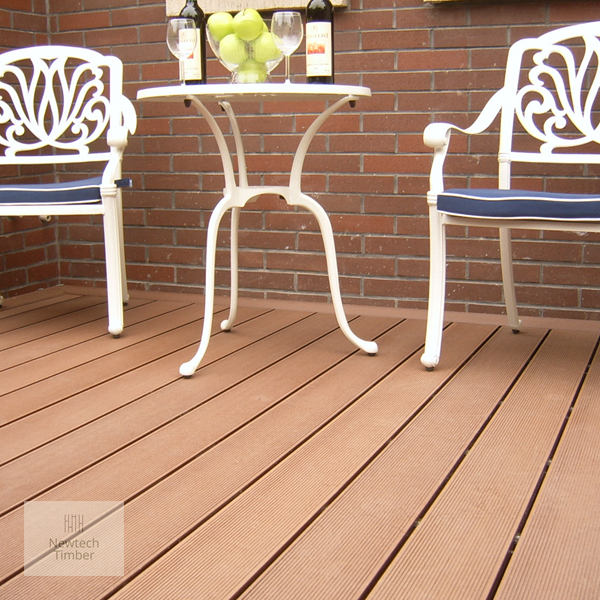
The adaptability of WPC materials allows architects and designers to explore an array of design possibilities. Beyond traditional decking, WPC can be used for railings, benches, and even decorative screens, which can all contribute to a cohesive outdoor aesthetic. By integrating various elements made from WPC, designers can create multifunctional spaces that cater to diverse activities, from simple family gatherings to more elaborate outdoor events.
Moreover, the option to customise colours and textures of WPC products means that they can be tailored to suit specific architectural styles. For contemporary designs, smooth, sleek finishes in neutral tones can create a modern feel, while more textured options can evoke rustic charm. This flexibility allows for a seamless integration of the outdoor area with the architecture of the building itself.
Environmental Considerations and Sustainability
In recent years, there has been a notable shift toward sustainable building materials in landscape architecture. With WPC, designers can champion the use of recycled materials, effectively reducing waste and promoting a circular economy. This characteristic resonates well with environmentally conscious clients who prefer options that contribute to sustainability without compromising on quality or aesthetics.
Furthermore, many WPC products are manufactured with minimal chemical additives, contributing to healthier outdoor environments. This aspect becomes particularly significant in residential projects, where families often seek safe, eco-friendly spaces for children and pets. By advocating for the use of WPC in outdoor designs, architects and landscape engineers can strengthen their role as stewards of the environment while providing durable and aesthetically pleasing solutions.
Future Trends in WPC Applications
As technology advances, the landscape of WPC materials continues to evolve. Innovations in manufacturing processes have led to even more durable and attractive composite products, expanding the possibilities for outdoor design. Emerging trends indicate a growing interest in integrating smart technology within outdoor spaces, such as lighting and heating elements that can be seamlessly incorporated into WPC decking.
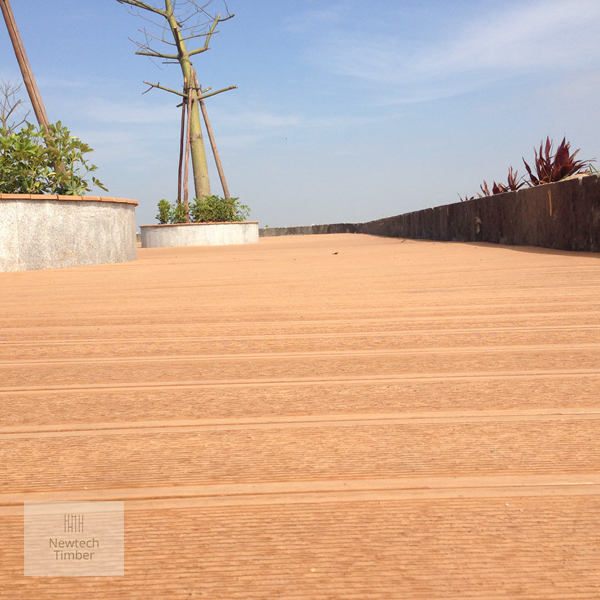
Designers are also beginning to explore biophilic design principles, which aim to connect occupants with nature. WPC’s ability to mimic natural textures and colours supports this movement, making it a fitting choice for projects focused on enhancing the relationship between built environments and the natural world. As these trends gain momentum, architects and landscape engineers will have even more exciting deck composite ideas to explore, shaping the future of outdoor design.

