Popular WPC Panel Thickness Options
When considering WPC panel thickness for construction, it is essential to understand how different thicknesses can affect the performance and aesthetics of the finished product. WPC, or wood-plastic composite, is a popular material that combines the benefits of wood and plastic, making it suitable for various applications, including decking, fencing, and wall cladding. The thickness of WPC panels typically varies depending on the intended use, with common options ranging from 10mm to 30mm. Each thickness has its advantages and disadvantages, influencing factors such as durability, weight, and ease of installation.
Thicker panels, such as those around 30mm, provide enhanced strength and load-bearing capacity, making them ideal for heavy-duty applications. On the other hand, panels with a thickness of around 10mm to 15mm are often lighter and easier to handle, suitable for indoor applications or where weight considerations are crucial.
Common Installation Errors
As an outdoor WPC after-sales service engineer, I frequently encounter issues related to improper installation. One of the most prevalent mistakes is not accounting for the expansion of WPC materials. WPC panels can expand and contract with temperature changes, so proper spacing during installation is vital. Failing to leave adequate gaps can lead to buckling or warping over time.
Another common error is inadequate preparation of the substructure. Any unevenness in the base can result in an unstable installation, causing panels to shift or become damaged. Customers should always ensure that the substructure is level and secure before proceeding with installation.
Addressing Colour Differences
Colour differences in WPC panels can be disheartening for customers expecting uniformity. These variations can occur due to several factors, including manufacturing processes and exposure to UV light. It is essential to advise clients to inspect panels before installation and to mix boards from different boxes to achieve a more consistent appearance across the installation.
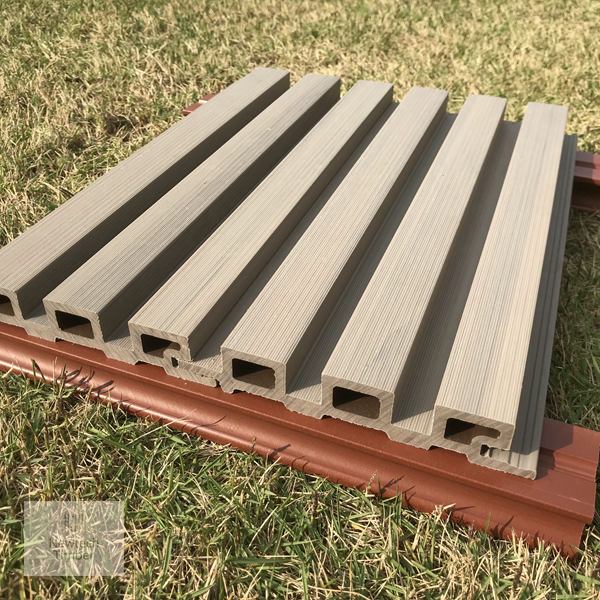
If significant colour differences appear post-installation, it may be due to environmental factors or inadequate maintenance. Regular cleaning and the use of appropriate protective coatings can help mitigate the effects of fading and discolouration over time. It is advisable to recommend that clients maintain their WPC panels regularly to preserve their original colours.
Expansion Issues and Solutions
Expansion is a critical factor to consider, particularly in regions with extreme temperature fluctuations. WPC panels naturally expand when heated, which can lead to issues if they are not installed with adequate gaps. It is advisable to recommend a minimum of 5mm gap between panels to accommodate this expansion. This gap allows for movement without compromising the integrity of the installation.
If expansion has already caused problems, adjustments may need to be made. In some cases, removing and repositioning panels may be necessary. Customers should be guided through this process carefully to avoid further damage.

Dealing with Surface Scratches
Surface scratches on WPC panels can detract from their appearance and are often a source of concern for customers. These scratches can result from various factors, including improper cleaning methods or the use of abrasive tools. Advising customers to use gentle cleaning solutions and soft cloths can help minimise this risk.
For existing scratches, there are repair kits available that can restore the surface of WPC panels. These kits often contain colour-matched fillers and finishing solutions that can blend with the panel’s surface, making scratches less noticeable. It is crucial to instruct clients on the correct application of these products to achieve the best results.
Maintenance Requirements for Longevity
Maintaining WPC panels is essential to ensure their longevity and performance. Regular cleaning with a mild detergent and soft brush can help prevent the buildup of dirt and debris that can lead to discolouration. Additionally, applying a protective coat every few years can enhance durability and resistance to UV light.
Customers should also be advised to inspect their WPC installations periodically for signs of wear or damage. Addressing issues early can prevent more significant problems down the line, ensuring that their WPC panels remain a reliable and attractive choice for all their construction needs.

