Benefits of WPC Decking
Architects and landscape designers continually seek materials that enhance the aesthetic appeal of outdoor spaces while ensuring durability and low maintenance requirements. Wood-plastic composite (WPC) decking has emerged as a popular choice in recent years, particularly for budget-friendly projects. Its blend of recycled wood fibres and plastic makes it an environmentally sustainable option, appealing to both eco-conscious consumers and professionals in the industry. In terms of cost, many manufacturers offer competitive pricing, allowing designers to find what is the cheapest composite decking suitable for their projects without sacrificing quality.
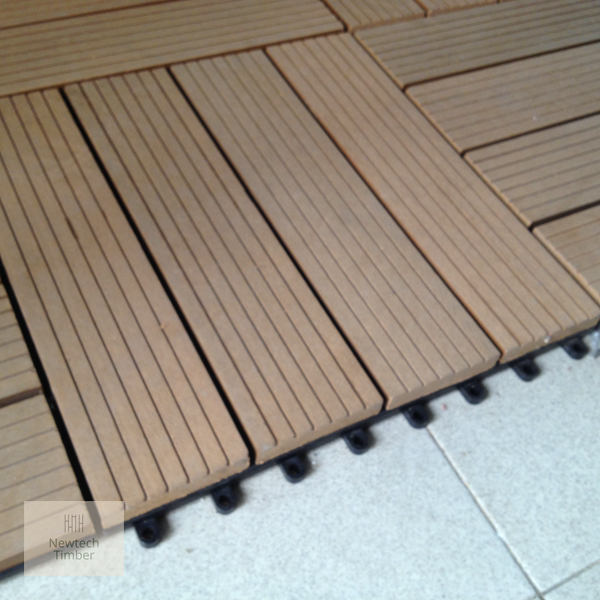
WPC decking boards generally boast a variety of textures and colours, mimicking the appearance of natural wood while providing superior resistance to weathering, rot, and insect damage. This durability means that once installed, WPC decks require minimal maintenance, setting them apart from traditional timber decking. The long lifespan of composite products can lead to significant savings in replacement costs and upkeep, adding to their appeal as a cost-effective outdoor solution.
Material Selection and Project Considerations
When designing outdoor spaces, one of the critical aspects to consider is the specific application of the decking. Different areas may require different materials based on exposure to elements, anticipated foot traffic, and usage patterns. For instance, a deck located near a pool may need more slip-resistant qualities, which some WPC products offer through textured finishes. Moreover, the colour and style of decking should complement the overall design scheme of the project, which can further enhance visual coherence.
In the pursuit of the cheapest composite decking, it is essential to evaluate the quality of materials used. Not all WPC products are created equal; some cheaper options may compromise on performance or longevity. A thorough analysis of product specifications, including density, weight, and warranty, can help in making an informed decision. Collaborating closely with suppliers to understand their offerings’ durability and maintenance requirements is vital for landscape architects aiming to provide lasting value to their clients.
Installation Techniques for WPC Decking
The installation of WPC decking can significantly affect its performance and lifespan. Proper preparation and adherence to manufacturer guidelines are paramount for achieving a successful outdoor project. Architects and landscape designers should advise on necessary installation techniques, such as ensuring adequate drainage and ventilation beneath the decking. This reduces the risk of moisture accumulation, which can lead to structural problems over time.
Furthermore, the choice of installation method can influence the overall cost of the project. Traditional deck fasteners may be more economical, but hidden fasteners can offer a cleaner finish and potentially enhance the decking’s lifespan. Understanding these nuances can help professionals guide their clients towards effective solutions that align with budget constraints while still delivering high-quality results.
Environmental Considerations and Sustainability
As a landscape engineering consultant focused on sustainable practices, it is essential to highlight that WPC decking is often manufactured from recycled materials. This feature not only contributes to reducing waste but also aligns with the growing demand for eco-friendly building materials. Landscape designers can confidently recommend WPC products for outdoor projects, knowing they support sustainable practices without compromising on style or functionality.
Moreover, the energy efficiency involved in creating WPC products can contribute to a reduced carbon footprint compared to traditional decking materials. Emphasizing this aspect can resonate well with environmentally conscious clients and projects aimed at achieving sustainability certifications. Architects can leverage this eco-friendly narrative to enhance their design proposals and align with their clients’ values.
Future Trends in Composite Decking
The composite decking industry is continually evolving, with advancements in manufacturing processes leading to improved product offerings. Future trends are likely to focus on enhancing the aesthetic appeal of WPC products, offering even greater colour variations and surface textures that closely resemble natural wood. Additionally, innovations in anti-fading and anti-scratch technologies will ensure that these materials remain visually appealing over time, making them an ideal choice for outdoor living spaces.
As the market grows, it will be crucial for landscape architects and designers to stay informed about emerging products and trends. Identifying the cheapest composite decking will become easier as more manufacturers enter the market, providing a wider array of options at competitive prices. By keeping abreast of these developments, professionals can continue to create beautiful, functional, and sustainable outdoor environments that meet the needs of their clients while adhering to budget constraints.

