The Extrusion Process of Plastic Wood Effect Cladding
The journey of producing plastic wood effect cladding begins with the careful selection and mixing of raw materials. This composite typically includes high-density polyethylene (HDPE) blended with wood fibres, additives, and other polymers to enhance durability and aesthetics. The precise formulation is vital, as it directly influences the final product’s strength, appearance, and weather resistance. The mixing process requires not just the right proportions but also the right equipment, often involving a twin-screw extruder that ensures a homogeneous mixture, eliminating any inconsistencies that could affect the cladding’s performance.
Once the materials are mixed, the next step is pelletizing, where the composite is processed into small pellets. This is essential for achieving uniform melting and extrusion. The size and quality of the pellets can significantly impact the extrusion process, as any irregularities can lead to defects in the final product. Effective pelletizing ensures that the material flows smoothly during extrusion, achieving the desired shape and finish for the cladding.

Temperature Control in Extrusion
Temperature control is a critical aspect of the extrusion process for plastic wood effect cladding. Different materials require specific temperature settings to melt and flow properly. Effective extruders are equipped with heating zones that can be precisely controlled. The temperature at which the materials are extruded must be closely monitored to ensure they reach their ideal melting point without degradation. If the temperature is too low, the material may not flow properly, leading to blockages. Conversely, excessive heat can cause oxidation of the polymers, resulting in a compromised finish and structural integrity.
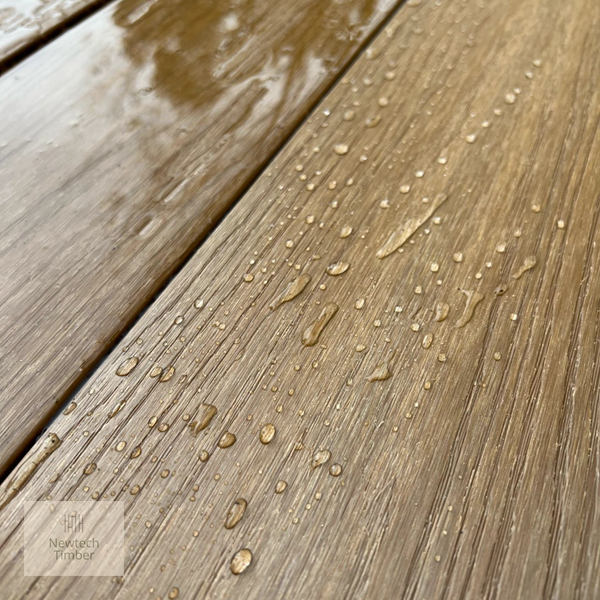
Maintaining the right temperature is essential not just for the extrusion process but also for achieving the desired surface characteristics. This is particularly important for plastic wood effect cladding, where the visual appeal of the finished product is paramount. A well-controlled extrusion process results in a smooth finish that mimics the natural look of wood, enhancing the aesthetic value of any outdoor application.
Mold Design for Aesthetic Appeal
Mold design is another vital component in producing plastic wood effect cladding. The mould must be crafted to reflect the desired texture and shape of the final product. Various surface patterns can be incorporated into the mould to replicate the appearance of natural wood grain, providing the visual appeal that many customers seek. The design process often involves collaboration with designers and engineers to ensure that the mould meets both aesthetic and functional requirements.
Moreover, the cooling calibration process after the extrusion is also influenced by the mold design. After the cladding exits the extrusion die, it is crucial to cool it down uniformly to prevent warping and ensure dimensional accuracy. Cooling systems may incorporate water baths or air cooling methods, depending on the specific requirements of the cladding. A well-designed mould not only contributes to the cladding’s appearance but also affects its overall quality and performance in various environmental conditions.
Surface Treatment Techniques
Surface treatment is an essential aspect of producing high-quality plastic wood effect cladding. This can involve various methods, including sanding, coating, or applying protective finishes that enhance the material’s resistance to UV light and moisture. By employing surface treatments, manufacturers can significantly extend the lifespan of the cladding while improving its visual appeal. For instance, UV-resistant coatings help to maintain the colour and finish of the cladding, making it a practical option for outdoor settings.
The application of these treatments must be meticulously controlled to ensure uniform coverage without compromising the texture that mimics natural wood. Consistency in surface treatment not only improves durability but also plays a crucial role in customer satisfaction, as the final product must meet the expectations set during the design phase.

