The Benefits of WPC Decking Boards
WPC decking boards have become increasingly popular among architects and landscape designers for outdoor spaces such as gardens, patios, and terraces. These composite materials, made from a blend of wood and plastic fibres, offer a unique combination of durability and aesthetic appeal. Unlike traditional wood decking, WPC boards resist rot, splintering, and warping, making them an ideal choice for outdoor applications where moisture and temperature fluctuations can take a toll. The versatility in design allows for various finishes and colours, enabling designers to create stunning visual landscapes without sacrificing performance.
Moreover, WPC decking boards are highly resistant to fading and staining, which is particularly beneficial for areas that receive heavy foot traffic or exposure to the elements. This low maintenance requirement means that property owners do not have to invest significant time and resources in upkeep, allowing them to enjoy their outdoor spaces without the hassle of regular refinishing or sealing. This characteristic is vital when considering the long-term sustainability and cost-effectiveness of materials in landscape projects.
Project Considerations for Using WPC Decking
When embarking on a project that incorporates WPC decking boards, there are several key factors to consider. The initial assessment of the site is crucial; understanding the climate, soil conditions, and existing vegetation will provide insights into the best practices for installation and maintenance. WPC materials can handle various environmental factors, but ensuring proper drainage and ventilation is essential to prolong their life span.
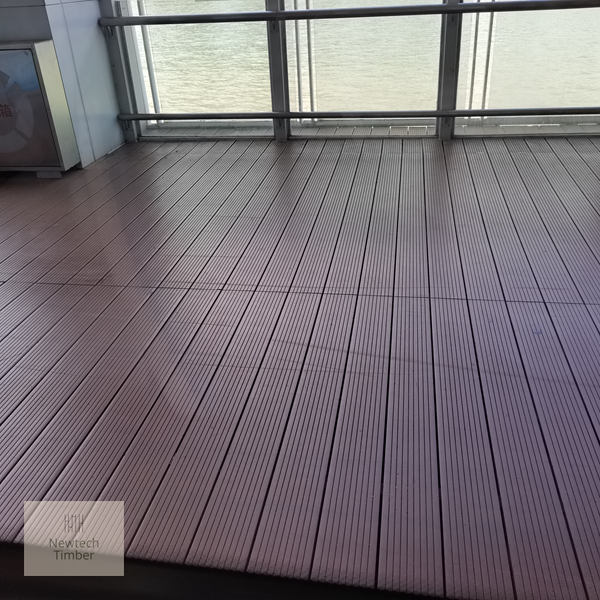
Furthermore, the choice of WPC decking boards should align with the intended use of the space. For high-traffic areas, selecting thicker boards with enhanced structural integrity can provide additional support and durability. It is also advisable to consider slip resistance, especially in wet conditions. Architects should collaborate with material experts to determine the most suitable WPC options based on project requirements.
Material Selection and Aesthetic Appeal
The aesthetic versatility of WPC decking boards is one of their most significant advantages. Available in a wide range of colours, textures, and finishes, these materials can mimic the appearance of natural wood while providing enhanced durability. This feature allows landscape designers to create cohesive outdoor environments that harmonise with the surrounding architecture and natural features.
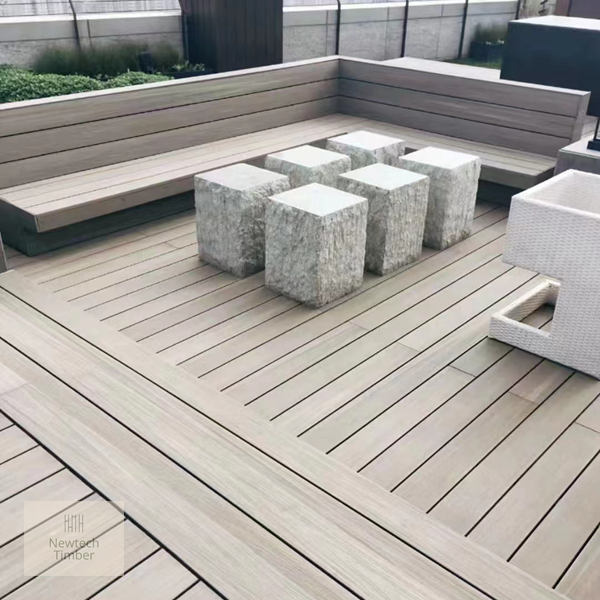
During the material selection process, it is beneficial to consider the overall theme and style of the landscape design. For instance, lighter shades can create a modern, airy feel, while darker tones can bring warmth and intimacy to outdoor spaces. Additionally, the integration of features such as built-in lighting or planters can further enhance the functionality and appeal of WPC decking, turning a simple patio into a stunning outdoor retreat.
Integration with Other Outdoor Elements
WPC decking boards can seamlessly integrate with a variety of outdoor elements, including furniture, railings, and landscaping features. By choosing complementary materials, architects and landscape designers can create a unified look that enhances the overall aesthetic of the space. For example, pairing WPC decking with stainless steel railings or natural stone pathways can elevate the design while ensuring durability and ease of maintenance.
The compatibility of WPC with other materials also allows for innovative design solutions. Designers can explore creative layouts, such as elevated decks with integrated seating or multi-level terraces that maximise space. This adaptability makes WPC decking a preferred choice for diverse landscape projects, from residential gardens to commercial patios.
Sustainability and Eco-Friendliness of WPC Decking
Sustainability is a growing concern in the construction and landscaping industries, and WPC decking boards offer an eco-friendly alternative to traditional wood. Made from recycled materials, these boards help reduce deforestation and environmental impact. By choosing WPC, architects and landscape designers contribute to a more sustainable future while still achieving the desired aesthetic and functional outcomes in their projects.
Additionally, the long lifespan of WPC decking translates into less frequent replacements and reduced waste, making it a responsible choice for environmentally conscious projects. This commitment to sustainability aligns with the values of many modern consumers and adds a layer of appeal for those seeking to create eco-friendly outdoor spaces.

