Het kiezen van de juiste eindkappen voor composiet terrasplanken
Eindkappen voor composiet dekken dienen zowel een functioneel als esthetisch doel, het afdekken van de uiteinden van boards en het verstrekken van een afgewerkte look.Hoewel ze misschien een klein detail lijken, kan de juiste keuze in eindkappen de algehele verschijning en prestaties van uw terrasinstallatie sterk beïnvloeden.Als outdoor WPC after-sales service engineer stuit ik vaak op problemen die voortkomen uit onjuiste selectie of installatie van deze componenten.Het begrijpen van hoe u deze eindkappen correct kunt kiezen en installeren, is dus van vitaal belang voor het bereiken van een succesvol terrasproject.
Veelgemaakte installatiefouten
Een van de meest voorkomende problemen die ik aanpak, heeft betrekking op installatiefouten.Klanten slagen er soms niet in om de eindkappen goed uit te lijnen, wat kan leiden tot hiaten of ongelijke randen.Deze verkeerde uitlijningen doen niet alleen afbreuk aan het algehele uiterlijk, maar creëren ook mogelijkheden voor vochtinfiltratie, wat leidt tot potentiële schade in de loop van de tijd.Het is essentieel om de richtlijnen van de fabrikant op de voet te volgen en ervoor te zorgen dat de eindkappen goed en veilig passen.Het gebruik van de juiste lijm of bevestigingsmiddelen zoals gespecificeerd kan deze veel voorkomende valkuilen helpen voorkomen.
Bovendien kan het gebruik van incompatibele materialen resulteren in toekomstige complicaties.Het koppelen van bepaalde soorten eindkappen met incompatibele terrasmaterialen kan bijvoorbeeld leiden tot problemen zoals kleurvervaging of kromen.Het is belangrijk om eindkappen te kiezen die speciaal zijn ontworpen voor het type composiet terrasplanken dat wordt gebruikt, rekening houdend met factoren zoals kleur, textuur en uitbreidingseigenschappen.
Kleurverschillen aanpakken
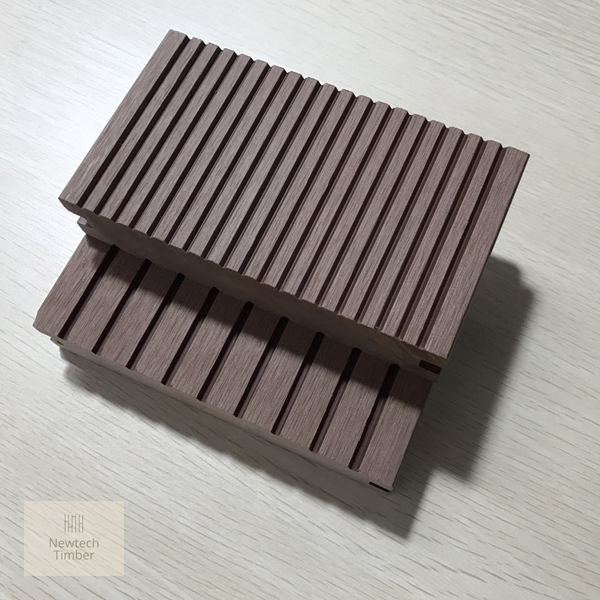
Een andere uitdaging die zich vaak voordoet is de kleurmismatch tussen de composiet dekken en de eindkappen.Zelfs wanneer eindkappen als overeenkomend op de markt worden gebracht, kunnen variaties optreden als gevolg van verschillen in productiebatches of de effecten van zonlicht en blootstelling aan de elementen in de loop van de tijd.Klanten kunnen merken dat de kleuren niet naadloos opgaan, wat bijzonder teleurstellend kan zijn als ze hebben geïnvesteerd in een product van hoge kwaliteit.
Om dit probleem te verzachten, is het raadzaam om monsters van zowel het dekken als de eindkappen te verkrijgen voordat u een aankoop doet.Dit zorgt voor een vergelijking naast elkaar en zorgt ervoor dat de gekozen eindkappen het totale kleurenschema van het dekwerk aanvullen.Het installeren van eindkappen van dezelfde fabrikant als het terras is een echte aanrader, omdat ze zijn ontworpen om dezelfde kleurconsistentie te hebben.
Uitbreiding en contractie Problemen
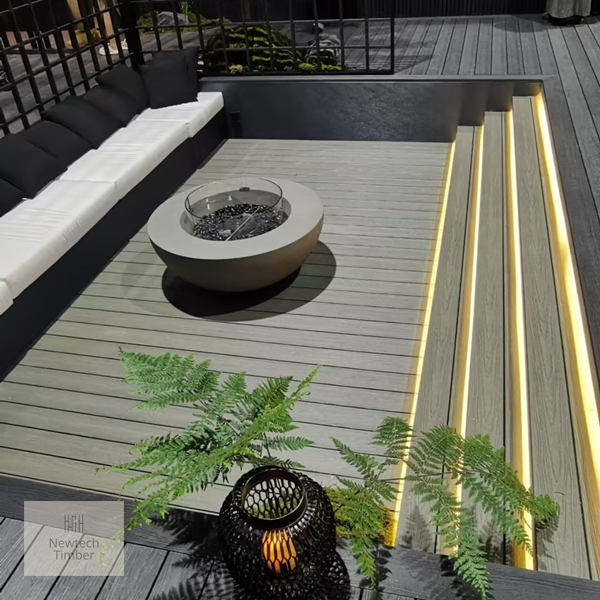
Van samengestelde materialen is bekend dat ze uitzetten en samentrekken met temperatuurveranderingen, wat kan leiden tot hiaten of kromtrekken als ze niet voldoende worden verantwoord.Bij het installeren van eindkappen voor composiet terrasplanken is het essentieel om rekening te houden met deze thermische beweging.Klanten zien vaak de noodzaak van een lichte kloof tussen de eindkappen en de terrasrand over het hoofd om uitbreiding mogelijk te maken.Als dit niet gebeurt, kunnen de eindkappen in de loop van de tijd worden losgeraakt of beschadigd.
Om een goede pasvorm te garanderen, is het verstandig om de richtlijnen van de fabrikant met betrekking tot afstand en bevestigingstechnieken te raadplegen.Het gebruik van flexibele lijmen of bevestigingsmiddelen die aan beweging voldoen, kan het potentieel voor toekomstige problemen met betrekking tot uitbreiding en samentrekking drastisch verminderen.
Oppervlaktekrabben beheren
Oppervlaktekrassen kunnen aanzienlijk afbreuk doen aan de visuele aantrekkingskracht van een nieuwe terrasinstallatie.Zelfs bij zorgvuldige behandeling is het niet ongebruikelijk dat eindkappen krassen krijgen tijdens de installatie of regelmatig gebruik.Klanten informeren vaak naar preventieve maatregelen om zowel de eindkappen als het terrasoppervlak te beschermen.
Het aanbrengen van een beschermend afdichtmiddel kan helpen het uiterlijk van krassen te verzachten en de levensduur van zowel eindkappen als dekplaten te verbeteren.Het opleiden van klanten over het belang van routineonderhoud, zoals schoonmaken met geschikte niet-schurende materialen, kan ook oppervlakteschade voorkomen.Bovendien kan het gebruik van meubelpads op zware items die op het terras worden geplaatst het risico verminderen dat er in de eerste plaats krassen optreden.
Onderhoudsvereisten voor eindkappen
Onderhoud is vaak een bron van verwarring voor klanten, met name met betrekking tot het onderhoud van eindkappen.In tegenstelling tot natuurlijk hout, dat regelmatig kan worden beitsen of afdichten, bieden composietmaterialen meestal onderhoudsarme voordelen.Het is echter cruciaal om te begrijpen dat eindkappen niet immuun zijn voor vuil en vuilophoping, wat kan leiden tot verkleuring als ze niet worden aangepakt.
Regelmatige reiniging met milde zeep en water wordt aanbevolen om de eindkappen er op hun best uit te laten zien.Klanten moeten worden geïnformeerd dat agressieve chemicaliën of schurende reinigers de afwerking van de eindkappen kunnen beschadigen.Bovendien kan het periodiek inspecteren van de eindkappen op tekenen van slijtage of schade helpen bij het identificeren van eventuele noodzakelijke reparaties of vervangingen voordat ze grotere problemen worden.
Het kiezen van de juiste eindkappen voor samengestelde terrasplanken is meer dan een louter esthetische beslissing; het speelt een belangrijke rol in de levensduur en prestaties van de gehele dekinstallatie.Door veelvoorkomende installatiefouten, kleurverschillen en uitbreidingsproblemen aan te pakken, evenals onderhoudsvereisten te begrijpen, kunnen klanten een mooie en duurzame buitenruimte bereiken.Het bieden van grondige begeleiding bij deze aspecten zal leiden tot een bevredigender resultaat voor elk terrasproject, waardoor de algehele ervaring en levensduur van het terrassysteem wordt verbeterd.

