Inzicht In Houtcomposiet Decking Boards
Houten composiet terrasplanken hebben aan populariteit gewonnen door hun mix van duurzaamheid en esthetische aantrekkingskracht.Deze planken, dat een mengsel van houtvezels en kunststof bestaat, biedt een oplossing die de natuurlijke schoonheid van hout nabootst en tegelijkertijd weerstand biedt tegen de elementen.In tegenstelling tot traditioneel hout, splinteren, warpen of vervagen ze niet zo snel, waardoor ze een uitstekende keuze zijn voor buitenleefruimtes.Of u nu een nieuw dek overweegt voor een woonhuis of een commerciële ruimte, het begrijpen van de verschillende beschikbare opties is essentieel voor het waarborgen van een verstandige investering.
Belangrijkste factoren om te overwegen bij het kiezen van composiet terrasplanken
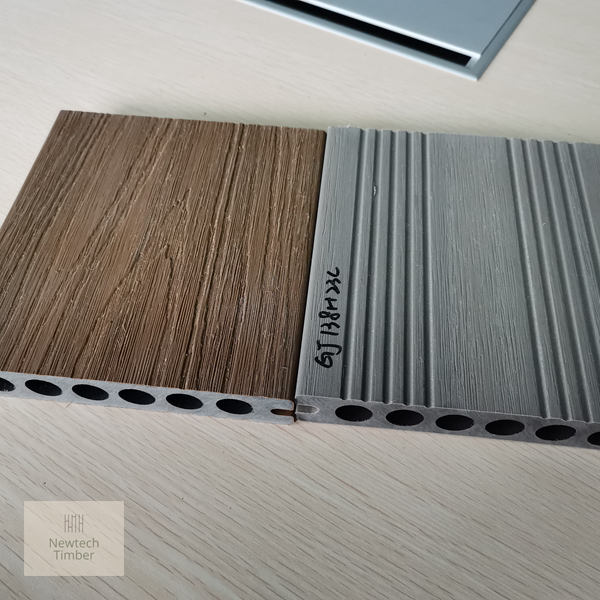
Bij het vergelijken van verschillende houten composiet terrasplanken komen verschillende factoren in het spel die uw beslissing kunnen beïnvloeden.Let goed op de materiaalspecificaties, inclusief de samenstellingsverhouding van houtvezels tot kunststof, omdat dit de duurzaamheids- en onderhoudsvereisten van het bord kan beïnvloeden.Sommige boards kunnen een hoger percentage gerecyclede materialen hebben, wat een milieuvriendelijke keuze is die ook een concurrerende duurzaamheid biedt.Overweeg daarnaast de borddikte en het profiel, omdat deze elementen bijdragen aan de algehele sterkte en het uiterlijk van uw dek.
Klimaat is een andere cruciale overweging.Regio's met een hoge luchtvochtigheid of aanzienlijke regenval kunnen terrasplanken vereisen die specifiek zijn ontworpen om vocht te weerstaan, terwijl gebieden met intens zonlicht mogelijk planken nodig hebben die bestand zijn tegen vervaging.Inzicht in de lokale klimaatomstandigheden kan u helpen bij het kiezen van een samengesteld terras dat optimaal zal presteren en langer meegaat, waardoor u gemoedsrust krijgt.
Vermijden van veelgemaakte fouten in dekselectie
Een van de meest voorkomende fouten die kopers maken, is het over het hoofd zien van de garantiedetails die gepaard gaan met houten composiet terrasplanken.Een uitgebreide garantie kan het vertrouwen van de fabrikant in de duurzaamheid van hun product aangeven.Zorg ervoor dat u de kleine lettertjes leest om te begrijpen wat er valt en de duur van de garantie.Overweeg bovendien het installatieproces; sommige borden kunnen specifieke gereedschappen of technieken vereisen, die uw totale projectkosten kunnen beïnvloeden als ze niet voldoende worden verantwoord.
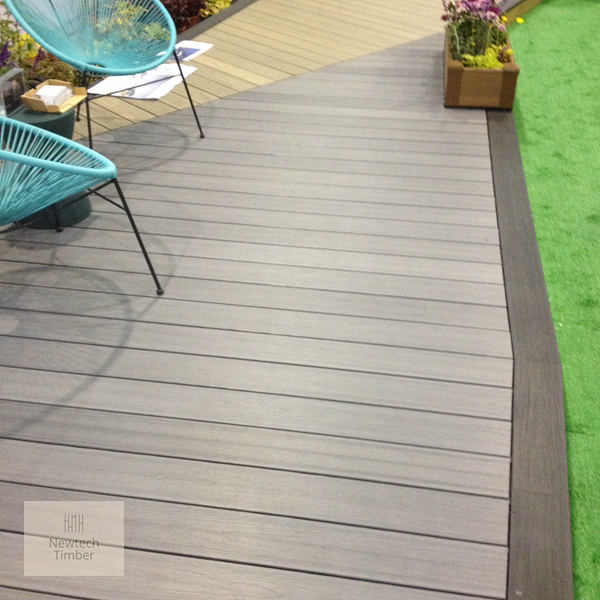
Een andere veelgemaakte fout is het negeren van het belang van kleur en afwerking.Hoewel een bepaalde tint visueel kan aanspreken, is het essentieel om te overwegen hoe het uw algehele buitenontwerp zal aanvullen.Bovendien kunnen bepaalde afwerkingen een betere slipweerstand bieden, wat van vitaal belang is voor de veiligheid in gebieden die vatbaar zijn voor vocht.
Leesspecificaties en het maken van vergelijkingen
Het begrijpen van technische specificaties kan ontmoedigend lijken, maar ze zijn van vitaal belang voor het nemen van weloverwogen beslissingen.Begin met het onderzoeken van de dichtheid en treksterkte van de borden, omdat deze statistieken inzicht geven in hoe het materiaal in de loop van de tijd zal vergaan.Een hogere dichtheid correleert vaak met een betere weerstand tegen slijtage.Zoek naar testresultaten van derden, die onbevooroordeelde informatie kunnen geven over de prestaties in verschillende omstandigheden.
Het is ook verstandig om de profielen van verschillende merken te vergelijken.Sommige fabrikanten bieden mogelijk unieke in elkaar grijpende systemen, terwijl andere traditionele nagel-down methoden hebben.Elke optie heeft zijn voor- en nadelen, die zowel het installatiegemak als de onderhoudsvereisten op lange termijn beïnvloeden.
Het kiezen van de juiste composiet terrasplanken voor uw project
Uiteindelijk hangt het selecteren van de juiste houten composiet terrasplanken af van het begrijpen van zowel uw projectbehoeften als de beschikbare opties.Voor residentiële projecten, bedenk hoe u van plan bent om de ruimte te gebruiken.Als u anticipeert op het organiseren van bijeenkomsten, kies dan voor een robuuster board dat bestand is tegen zwaar voetverkeer.Voor commerciële toepassingen staan duurzaamheid en onderhoudsgemak voorop; daarom kan investeren in hoogwaardige boards verstandig blijken.
Aarzel ten slotte niet om te overleggen met leveranciers die begeleiding kunnen geven op basis van uw specifieke vereisten.Bedrijven zoals NewTech Timber bieden een gevarieerde selectie van houten composiet terrasplanken op maat voor verschillende klimaten en toepassingen.Door grondig onderzoek te doen en deskundig advies in te winnen, kunt u een buitenleefruimte creëren die voldoet aan uw esthetische en functionele behoeften.

