Understand the Differences Between Capped and Uncapped Composite Decking with NewTechTimber
When it comes to selecting the right decking material for outdoor spaces, composite decking has gained significant popularity due to its durability, low maintenance, and aesthetic appeal. Among the various options available, capped and uncapped composite decking are two prominent choices offered by companies like NewTechTimber. Understanding the differences between these two types of composite decking is crucial for making an informed decision based on material performance and long-term usability.
Capped composite decking refers to boards that have a protective layer or “cap” on their surface. This cap is made from a high-density polyethylene or a similar material designed to shield the core of the decking from moisture, UV rays, and other environmental stressors. The cap also contributes to the overall aesthetic of the decking, providing a more finished appearance and a wider range of color options. One of the primary advantages of capped composite decking is its enhanced resistance to fading, staining, and mold growth. These performance characteristics make it an ideal choice for homeowners looking for a long-lasting and visually appealing decking solution.

On the other hand, uncapped composite decking does not have a protective outer layer. While the core material is still engineered to provide strength and durability, it is more susceptible to the elements without the extra layer of protection. Uncapped composite decking is typically more affordable than its capped counterpart, making it an attractive option for budget-conscious consumers. However, it is essential to consider the trade-offs in performance. Without the cap, uncapped decking may require more frequent maintenance, such as cleaning and sealing, to prevent moisture damage and to maintain its appearance over time.
When evaluating the performance of capped versus uncapped composite decking, one must consider factors such as moisture resistance, UV stability, and overall lifespan. Capped composite decking excels in these areas, thanks to its protective layer. The moisture resistance provided by the cap minimizes the risk of warping, splintering, or rotting, which can be significant issues in outdoor environments. Additionally, the UV protection helps prevent the material from fading over time, ensuring that the decking maintains its desired color and appearance.
In contrast, uncapped composite decking may experience issues related to moisture absorption. This can lead to swelling and potential structural damage if not properly maintained. Furthermore, without UV protection, uncapped decking is more likely to fade and lose its aesthetic appeal after prolonged exposure to sunlight. Therefore, while uncapped decking may be a more economical option upfront, the long-term costs associated with maintenance and potential replacement must be factored into the decision-making process.
Another important aspect to consider is the environmental impact of the materials used in capped and uncapped composite decking. Both types of decking are generally made from recycled materials, contributing to sustainability efforts. However, the specific composition and manufacturing processes can vary. Capped composite decking often uses a combination of recycled wood fibers and plastic, which can enhance its performance characteristics while also being environmentally friendly. Uncapped composite decking may have a higher percentage of wood fibers, which can affect its durability and resistance to the elements.
In terms of installation and ease of use, both capped and uncapped composite decking can be relatively straightforward to install, depending on the specific product and design. However, capped decking’s enhanced features may require specific installation techniques or additional fasteners to ensure optimal performance. Homeowners and contractors should consult the manufacturer’s guidelines to ensure proper installation, taking into account the unique characteristics of each type of decking.
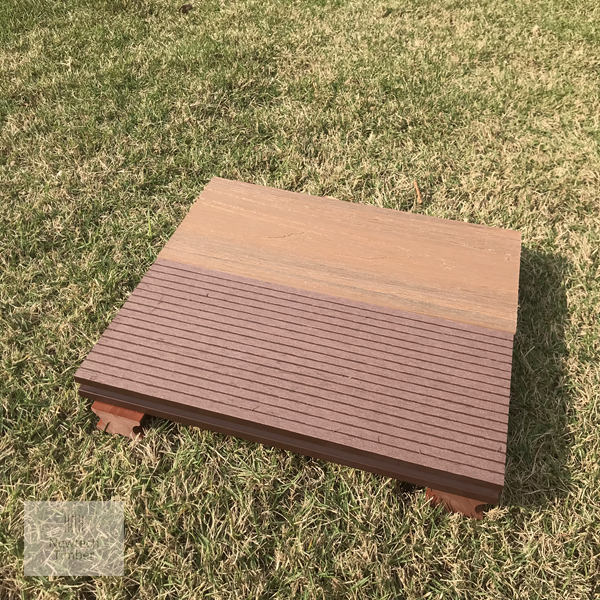
Ultimately, the choice between capped and uncapped composite decking will depend on individual preferences, budget considerations, and intended use. Capped composite decking offers superior performance in terms of durability and maintenance, making it a worthwhile investment for those who prioritize long-term usability and appearance. Conversely, uncapped composite decking may appeal to those seeking a cost-effective option with a willingness to invest time and effort into maintenance.
Selecting the right decking material involves careful consideration of various factors, including performance characteristics, aesthetic preferences, and budget constraints. By understanding the differences between capped and uncapped composite decking, homeowners can make an informed decision that aligns with their specific needs and enhances their outdoor living spaces.

