When considering the best composite decking options for outdoor needs, it is essential to evaluate the material performance characteristics that define durability, aesthetics, and overall functionality. Composite decking is primarily made from a blend of wood fibers and plastic, which offers several advantages over traditional wood decking. Understanding the various types of composite materials available can significantly impact the decision-making process.
One of the most critical aspects of composite decking is its resistance to moisture. Traditional wood is susceptible to rot and decay when exposed to water over time. In contrast, composite materials are engineered to withstand moisture, making them ideal for outdoor environments. This moisture resistance is typically achieved through the incorporation of high-density polyethylene or other plastics, which form a protective barrier against water intrusion. Homeowners looking for longevity in their decking solution should prioritize products that boast high levels of moisture resistance.
Another important performance characteristic to consider is the decking’s resistance to fading and staining. High-quality composite decking is designed to maintain its color and appearance even after prolonged exposure to sunlight and the elements. Brands often use UV inhibitors in their formulations to prevent fading over time. Additionally, some composite options feature a capped surface, which provides an extra layer of protection against stains and scratches. This feature is particularly beneficial for those who plan to host outdoor gatherings, as it ensures that the decking remains visually appealing despite heavy foot traffic and potential spills.
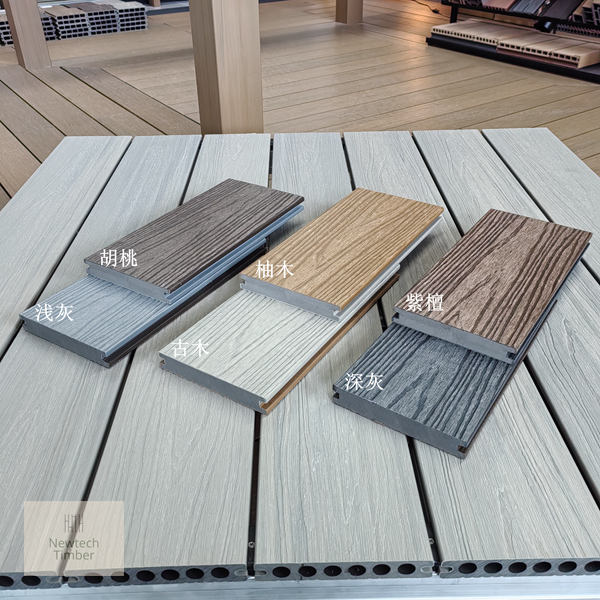
When it comes to slip resistance, selecting a composite decking material with a textured surface can enhance safety, especially in wet conditions. Some manufacturers have developed specific surface treatments to improve traction, making these decking options suitable for poolside areas or locations where rain may create slippery conditions. Evaluating the slip resistance of various products can help homeowners avoid accidents and ensure a safer outdoor environment.
Furthermore, the environmental impact of composite decking materials is gaining increasing attention from consumers. Many brands now offer eco-friendly options made from recycled materials, which not only help reduce waste but also minimize the carbon footprint associated with production. By choosing composite decking that incorporates recycled content, homeowners can contribute to sustainable practices while enjoying the benefits of modern decking technology.
Aesthetic appeal is another vital consideration when selecting composite decking. The variety of colors, textures, and finishes available in composite materials allows homeowners to customize their outdoor spaces to match their personal style. Some products even replicate the natural grain of wood, providing the look of traditional decking without the associated maintenance challenges. The ability to choose from a wide range of designs means that homeowners can create beautiful outdoor environments that enhance the overall value of their property.
Maintenance requirements are also a significant factor in the decision-making process. One of the primary advantages of composite decking is its low maintenance nature compared to traditional wood. While wood decking typically requires regular staining, sealing, and sanding, composite options often require only occasional cleaning with soap and water to maintain their appearance. This reduced maintenance burden allows homeowners to spend more time enjoying their outdoor spaces rather than performing upkeep.
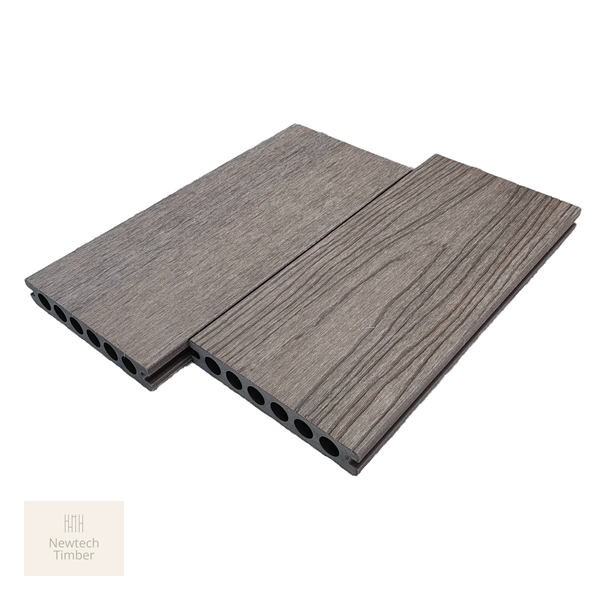
Cost considerations are often a crucial part of the discussion when selecting composite decking options. While composite materials may have a higher upfront cost compared to pressure-treated lumber, their long-term value is evident when factoring in durability, reduced maintenance, and longevity. Many high-quality composite products come with warranties ranging from 20 to 30 years, offering homeowners peace of mind regarding their investment.
In evaluating the best composite decking options for outdoor needs, it is evident that factors such as moisture resistance, fading and staining resistance, slip resistance, environmental impact, aesthetic appeal, maintenance requirements, and cost all play important roles. By thoroughly researching the available products and understanding their material performance characteristics, homeowners can make informed decisions that will lead to enjoyable and lasting outdoor spaces. Selecting the right composite decking can enhance not only the functionality of an outdoor area but also its beauty and overall enjoyment for years to come.

