Dimensional Accuracy Testing for WPC Panels
Dimensional accuracy is a fundamental aspect of WPC panel quality that directly impacts their installation and performance in construction. Before shipment, each panel undergoes precise measurements to ensure they meet specified dimensions. Tolerance levels are defined based on industry standards, and panels that deviate beyond these parameters are flagged for rework or rejection. This step not only helps in maintaining uniformity across products but also significantly reduces installation issues, ensuring a smooth fitting process on-site.
The measurement process typically involves the use of digital calipers and laser measurement tools to verify length, width, and thickness. Any discrepancies are documented, and necessary adjustments are made to maintain the desired specifications. Ensuring dimensional accuracy helps in highlighting one of the notable WPC panel advantages, which is their ease of handling and installation.
Density and Impact Resistance Evaluation
The density of WPC panels plays a pivotal role in determining their structural integrity and durability. A density test is conducted to measure the weight of the panels relative to their volume. High density usually correlates with better performance characteristics, such as greater resistance to impact and wear. This aspect is particularly important for outdoor applications where panels are subjected to varying weather conditions and physical stresses.
Impact resistance is tested using standardized methods that simulate real-world conditions. For instance, panels may be subjected to a controlled drop test where weights are dropped from specified heights. The goal is to observe how well the material absorbs shock and withstands sudden forces, thereby preventing cracks or shattering. A high impact resistance is a strong indicator of the WPC panel’s longevity, which is a significant advantage in comparison to traditional materials.
Water Absorption and Colour Stability Tests
Water absorption is a critical factor that affects the longevity and performance of WPC panels, particularly in outdoor settings where moisture exposure is inevitable. Through water absorption testing, panels are submerged in water for a predetermined period, after which they are weighed to determine the amount of water absorbed. A low absorption rate indicates better resistance to rot and degradation, which is a prominent advantage for users seeking durable outdoor solutions.
Alongside water absorption, colour stability is assessed to ensure that the panels maintain their aesthetic appeal over time. This involves evaluating the panels’ resistance to fading or discolouration when exposed to UV light and environmental conditions. Panels that exhibit strong colour stability not only enhance the visual quality of a building but also reduce the need for frequent maintenance or replacement. This characteristic adds to the list of WPC panel advantages, offering customers a product that looks good longer.
Bending Strength Assessment
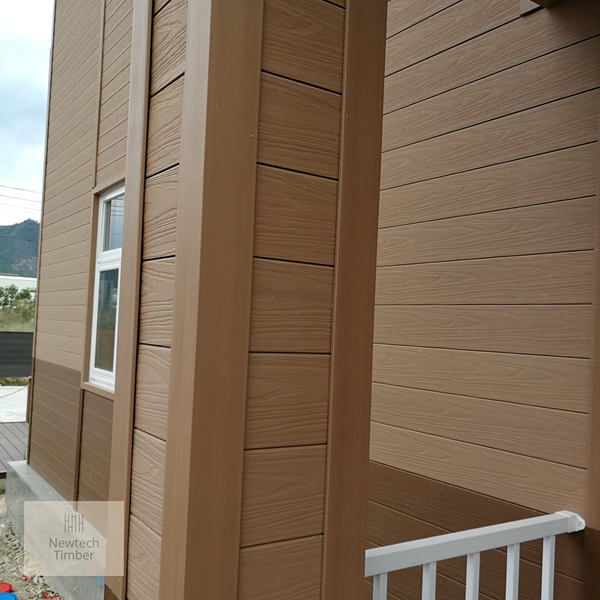
Bending strength is another essential property of WPC panels that needs thorough evaluation. This property determines how well the panels can withstand bending forces without deforming or breaking. Testing involves applying a force to the centre of a panel until it yields, allowing engineers to measure the maximum load it can handle. Strong bending strength is vital for structural applications, ensuring that the panels can support weight and resist deformation over time.
Appearance Inspection for Quality Assurance
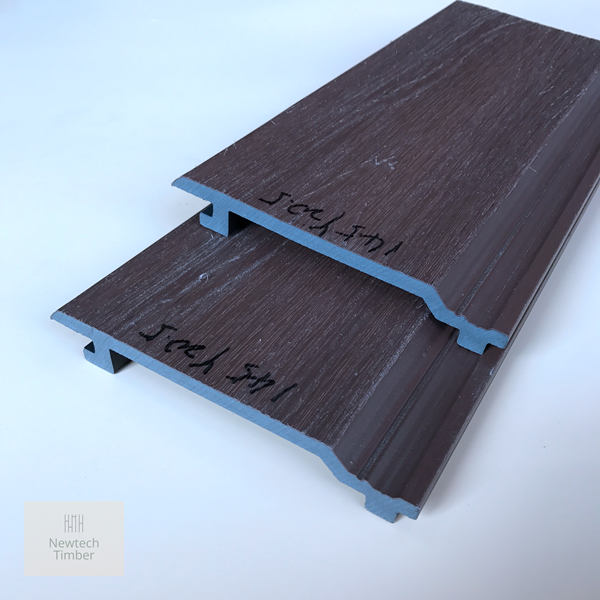
Appearance inspection is an integral part of the quality control process, focusing on the visual aspects of WPC panels. This includes checking for surface imperfections, colour consistency, and overall finish quality. A thorough visual inspection ensures that the panels meet aesthetic standards expected by architects and builders. Since WPC materials are often used in visible areas, maintaining high appearance quality is crucial for customer satisfaction.
During the appearance inspection, panels are closely examined for any defects such as scratches, blemishes, or inconsistencies in colour that could detract from the overall look. Ensuring high visual quality not only reinforces the marketability of the product but also affirms the brand’s commitment to quality. The emphasis on aesthetics highlights one of the key WPC panel advantages, where functionality meets design, catering to both practical needs and aesthetic desires in construction.

