When considering the choice between capped and uncapped composite decking, it is essential to examine the material properties that distinguish these two types of products. Composite decking, a popular alternative to traditional wood, is made from a blend of recycled wood fibers and plastic, offering numerous benefits such as durability, low maintenance, and aesthetic appeal. However, the cap or outer layer of the decking boards plays a crucial role in determining their overall performance and longevity.
Capped composite decking features a protective layer that encases the core of the board. This outer layer is typically manufactured from a high-density polymer that shields the core material from moisture, UV rays, and other environmental factors. The cap serves as a barrier, preventing water absorption, which can lead to warping, swelling, and mold growth in uncapped products. This moisture resistance is particularly advantageous in regions with high humidity or frequent rainfall, as it ensures that the decking remains structurally sound over time.
In terms of UV resistance, capped composite decking is engineered to resist fading and discoloration caused by sun exposure. The protective layer reduces the impact of harmful ultraviolet rays, allowing the decking to maintain its original color and aesthetic appeal for a more extended period. Uncapped composite decking, on the other hand, may exhibit color fading and degradation over time, thereby requiring more frequent maintenance and potential replacement. This difference in UV stability can significantly affect the long-term satisfaction of homeowners who prioritize the visual aspects of their outdoor spaces.

Another aspect to consider is the surface texture of capped versus uncapped composite decking. Capped boards often have a more refined and attractive finish, which can mimic the look of natural wood while providing enhanced slip resistance. This is particularly important for outdoor environments where moisture can create slippery surfaces. The texture of capped decking can contribute to safety and comfort, making it a preferred choice for families with children or pets. Uncapped composite decking may lack this level of refinement and safety features, resulting in a less appealing surface for outdoor use.
Maintenance requirements also differ significantly between capped and uncapped composite decking. Capped boards are designed to be low-maintenance, requiring only occasional cleaning with soap and water to remove dirt and debris. The protective cap inhibits the growth of mold and mildew, making it easier for homeowners to keep their decking looking pristine. Uncapped composite decking, conversely, may require more intensive maintenance, including regular inspections for signs of mold and mildew, as well as the application of protective sealants to enhance its longevity. This added maintenance can translate to increased costs and time commitment for homeowners.
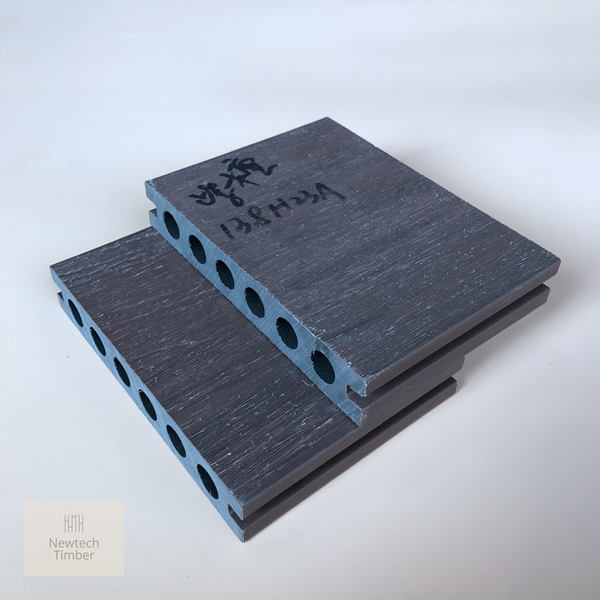
Cost is another critical factor when comparing capped and uncapped composite decking. Generally, capped composite decking is priced higher due to its advanced manufacturing process and superior material properties. However, when considering the long-term benefits, including reduced maintenance, improved durability, and enhanced aesthetic appeal, many homeowners find that the initial investment in capped decking is worthwhile. The longevity and performance of capped boards often justify the higher upfront cost, especially when considering potential savings on repairs and replacements for uncapped options.
Environmental considerations also play a role in the decision-making process. Both capped and uncapped composite decking products are typically made from recycled materials, contributing to sustainability efforts. However, the choice between the two can also reflect a homeowner’s commitment to eco-friendliness. Capped composite decking may include additional environmentally friendly features, such as being made from recycled plastics that would otherwise contribute to landfill waste. This aspect can appeal to eco-conscious consumers looking to make responsible choices in their outdoor living spaces.
Ultimately, the choice between capped and uncapped composite decking hinges on various factors, including environmental conditions, aesthetic preferences, budget constraints, and long-term maintenance considerations. Capped composite decking offers superior moisture and UV resistance, a more refined appearance, and lower maintenance requirements, making it an attractive option for many homeowners. While uncapped composite decking may present a more budget-friendly initial cost, the potential for increased maintenance and reduced longevity could lead to higher expenses over time. By carefully evaluating these material properties, homeowners can make an informed decision that aligns with their needs and enhances their outdoor living experience.

