The Importance of HSN Codes in WPC Exports
The Harmonized System Nomenclature (HSN) code serves as a critical classification tool for goods in international trade, facilitating the identification of products across borders. For manufacturers and exporters of wood plastic composites (WPC), understanding the specific HSN code for WPC wall panels is essential. This code not only ensures compliance with export regulations but also plays a significant role in tariff assessments and trade statistics.
WPC wall panels, often used for exterior applications due to their durability and aesthetic appeal, typically fall under specific HSN categories. Assigning the correct HSN code can significantly streamline the export process, reducing delays and ensuring that products reach their destination efficiently. With the growing demand for sustainable building materials, clarity in classification becomes all the more vital for businesses navigating international markets.
Designing High-Performance WPC Formulas
Creating effective WPC formulas for outdoor applications requires a meticulous balance of wood fiber content, plastic ratio, and the incorporation of additives. The choice of wood fiber directly influences the mechanical properties and aesthetics of the final product, while the plastic component contributes to weather resistance and longevity. An ideal formula might consist of a blend where wood fiber comprises about 50 to 70 per cent, depending on the intended use.
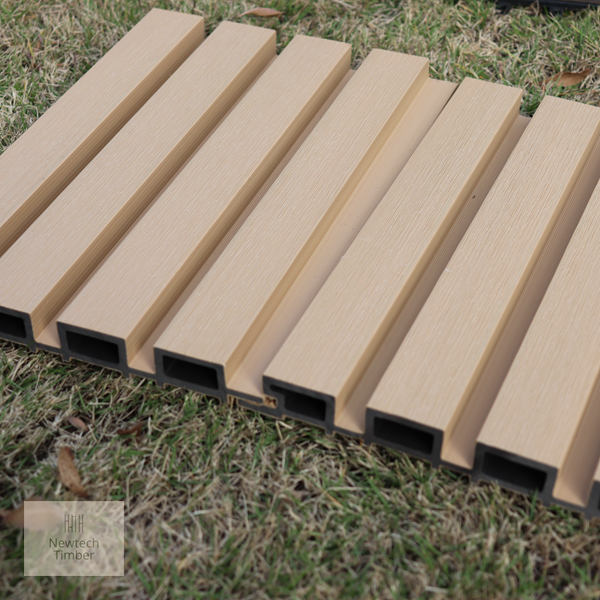
Additives play a pivotal role in enhancing performance characteristics such as UV resistance, colour stability, and fire retardancy. A thoughtful selection of these components can drastically improve the lifespan of WPC products, which is particularly crucial for outdoor applications like wall cladding and fencing. Moreover, these enhancements should be balanced with cost considerations to ensure that the final product remains competitively priced in the market.
Cost Control and Material Selection
Cost control is a significant factor in the formulation of WPC products. The choice of materials, including both the type of wood fiber and the plastic used, can greatly impact production costs. By evaluating different types of plastics, such as polyethylene or polypropylene, manufacturers can optimise the cost-performance ratio of their products. A thorough understanding of material sources and pricing trends is essential for maintaining profitability while ensuring high product quality.
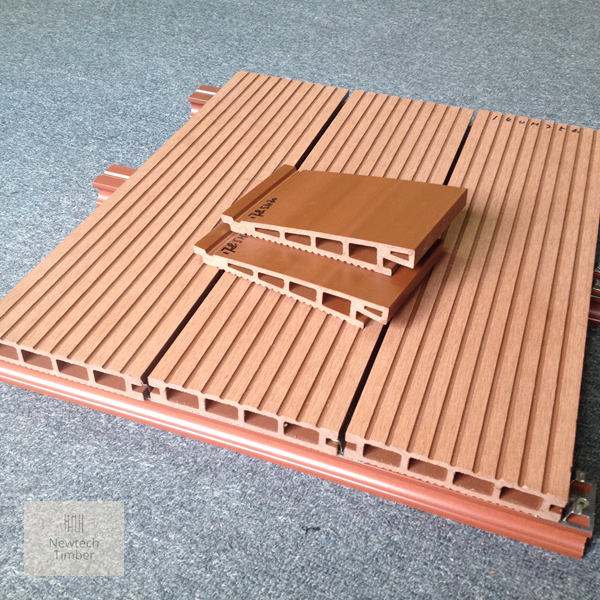
Moreover, local sourcing of materials can further reduce costs and support sustainability initiatives. By focusing on regional suppliers for wood fibers, manufacturers can not only lower transportation expenses but also enhance their brand’s commitment to sustainable practices, which is increasingly valued by consumers and businesses alike.
Enhancing Product Lifespan Through Innovation
The longevity of WPC products is fundamentally tied to their design and composition. Continuous innovation in formulation development allows for the creation of products that withstand environmental stressors, such as moisture, UV radiation, and extreme temperatures. By incorporating advanced additives that bolster resilience and durability, engineers can significantly extend the lifespan of outdoor products like WPC wall panels.
Additionally, the production process itself can be optimised to enhance product durability. By employing advanced extrusion technology, manufacturers can ensure a consistent and high-quality output. This not only improves the aesthetic appeal of the panels but also enhances structural integrity, making them suitable for a wider range of applications.
The Future of WPC in Sustainable Architecture
The demand for sustainable building materials is on the rise, and WPC products are well-positioned to meet this need. As architects and builders become more aware of the environmental impact of traditional materials, WPC’s eco-friendly profile becomes increasingly attractive. The ability to recycle plastics and utilise fast-growing wood sources aligns with modern sustainability goals, making WPC an ideal choice for contemporary projects.
In the context of international exports, staying ahead of regulatory changes and market demands is crucial. Companies involved in the development and export of WPC products must remain agile, adapting formulations and production methods to meet both environmental standards and consumer expectations. This proactive approach not only ensures compliance but also fosters innovation in the field of sustainable building materials.

