The Advantages of 4.6 m Composite Decking for Outdoor Projects
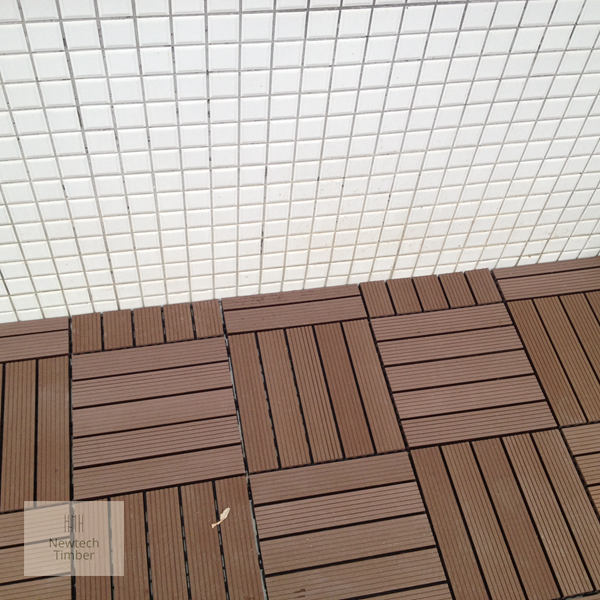
When planning large outdoor projects, the choice of materials can significantly impact both the functionality and aesthetics of the space. One material that has gained popularity in recent years is 4.6 m composite decking. This engineered product combines the durability of wood with the weather resistance of plastic, making it an ideal choice for outdoor spaces such as patios, walkways, and pool areas. The length of 4.6 m allows for fewer joints compared to standard sizes, resulting in a cleaner look and less maintenance over time. Furthermore, composite decking is available in various colours and textures, providing flexibility to match any landscape design.
Additionally, the longevity of composite decking is a vital factor for large outdoor projects. With its resistance to fading, mould, and insect damage, 4.6 m composite decking ensures that the investment remains visually appealing and structurally sound for years. This durability is particularly advantageous in regions with harsh weather conditions, where traditional wood might warp or decay. The combination of performance and aesthetics makes 4.6 m composite decking an excellent choice for architects and landscapers looking to create stunning outdoor environments.

The International Purchasing Process for Composite Decking
Engaging in the international trade of 4.6 m composite decking involves several crucial steps that ensure a smooth purchasing experience. Initially, potential buyers will request a quotation from suppliers. This quote usually includes pricing, lead times, and minimum order quantities. It’s important for buyers to provide detailed specifications to receive the most accurate quotation possible. Suppliers may also offer sample pieces of the decking material, allowing the buyer to assess quality, texture, and colour before final approval.
Once samples are approved, the next step involves negotiating terms and placing the order. This process often includes discussing payment methods, delivery schedules, and any customisation requirements. After finalising the order, suppliers will prepare the packaging of the 4.6 m composite decking for shipment. It is critical that packaging meets international shipping standards to prevent damage during transit. The deck boards are typically secured in bundles, wrapped to protect against moisture, and labelled according to the destination country’s regulations.
Container Loading and Shipping Documentation
The logistics of container loading is a vital stage in the international shipping process. The supplier will arrange for the decking to be loaded into a shipping container, ensuring that it is packed efficiently to maximise space and minimise movement. This step often requires close communication with shipping companies to determine the best vessel and route for timely delivery. Once the decking is loaded, the supplier must prepare the necessary shipping documents. These documents usually include a bill of lading, invoice, packing list, and certificate of origin, which may be required by customs authorities.
Proper documentation is crucial to prevent delays at customs. Buyers should ensure they are familiar with their country’s import regulations regarding composite materials. This knowledge can streamline the process, allowing for a faster transition from port to job site. Once the container arrives at its destination, careful inspections are conducted to confirm that the shipment matches the order specifications.
Collaboration with Overseas Distributors
For companies looking to expand their reach, collaborating with overseas distributors can be a strategic move. Distributors often have the local knowledge and established networks necessary for successful market entry. When working with overseas partners, communication and clear expectations are essential. Establishing a strong relationship can enhance the distribution process and ensure that the 4.6 m composite decking is marketed and sold effectively in the target market.
Distributors can also assist with after-sales service, handling customer inquiries and addressing any concerns that may arise post-purchase. This support not only improves customer satisfaction but also fosters brand loyalty. By engaging with reliable partners, businesses can navigate the complexities of international trade smoothly while ensuring that their products meet the demands of local consumers.

