The Appeal of Black Plastic Wood in Modern Outdoor Design
In the realm of outdoor materials, black plastic wood has emerged as a prominent choice for architects and landscape designers aiming to create striking and functional environments. This innovative material, crafted from recycled plastics and wood fibres, offers a unique aesthetic that complements a variety of design philosophies. The deep, rich tones of black plastic wood not only enhance the visual appeal of outdoor spaces but also contribute to a sense of sophistication and modernity. As landscape engineering consultants, we understand the importance of selecting materials that align with both the functional requirements and the aesthetic aspirations of a project.
Black plastic wood provides a versatile solution for various outdoor applications, ranging from decking and fencing to furniture and decorative elements. Its inherent durability makes it an ideal choice for environments exposed to the elements. Unlike traditional wood, black plastic wood resists warping, splintering, and decay, which significantly reduces the need for maintenance and replacement. This characteristic is particularly advantageous for projects that require long-term investment and sustainability considerations.
Durability and Low Maintenance
One of the most compelling reasons for incorporating black plastic wood into outdoor designs is its exceptional durability. This material withstands harsh weather conditions, including heavy rain, UV radiation, and fluctuating temperatures. Unlike natural wood, it does not require regular sealing or staining, which can be both time-consuming and costly. For landscape architects and designers, this translates into lower lifetime costs and less frequent intervention, allowing for a focus on creativity rather than upkeep.
The low-maintenance nature of black plastic wood makes it especially suitable for public and commercial spaces, where durability and aesthetics must coexist. Parks, playgrounds, and outdoor dining areas benefit from the use of this material, as it can endure heavy foot traffic while maintaining its pristine appearance. Additionally, the non-porous surface of black plastic wood ensures that dirt and stains are easily wiped away, further promoting a clean and inviting environment.
Design Versatility and Aesthetic Appeal
The aesthetic versatility of black plastic wood cannot be overstated. Its deep, uniform colour allows it to integrate seamlessly with other materials, making it a favourite among architects seeking to create cohesive outdoor spaces. Whether used in modern minimalist designs or more traditional settings, black plastic wood enhances the overall look without overwhelming other elements. Its aesthetic qualities can transform simple outdoor areas into inviting spaces that encourage interaction and enjoyment.
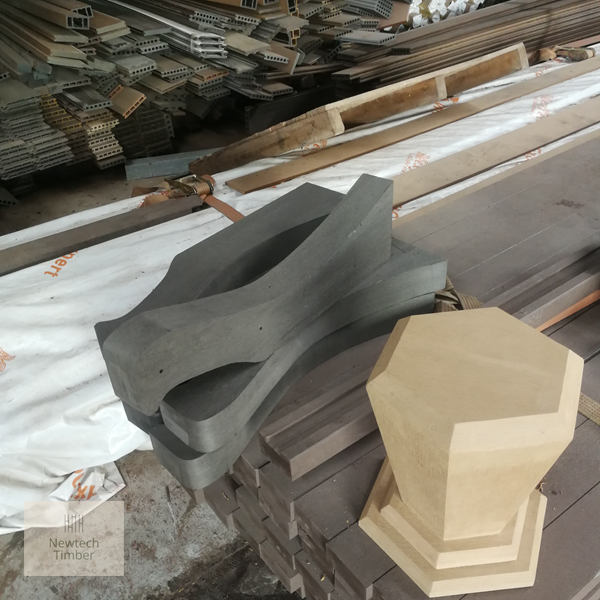
Furthermore, the material can be fabricated into various shapes and sizes, allowing for creative applications in furniture design, fencing, and landscaping features. Customisation options are abundant, enabling designers to tailor elements to specific project requirements. For instance, a landscape designer can use black plastic wood to create custom benches, tables, or planters that harmonise with the overall theme of the environment.
Sustainability Considerations
In today’s environmentally conscious world, the sustainability of materials plays a critical role in project planning. Black plastic wood is often produced from recycled materials, which helps to divert plastic waste from landfills and oceans. This recycled composition not only reduces the environmental impact of outdoor projects but also appeals to clients who prioritise sustainability in their design choices. Landscape architects can confidently specify black plastic wood, knowing it aligns with broader sustainability goals and practices.
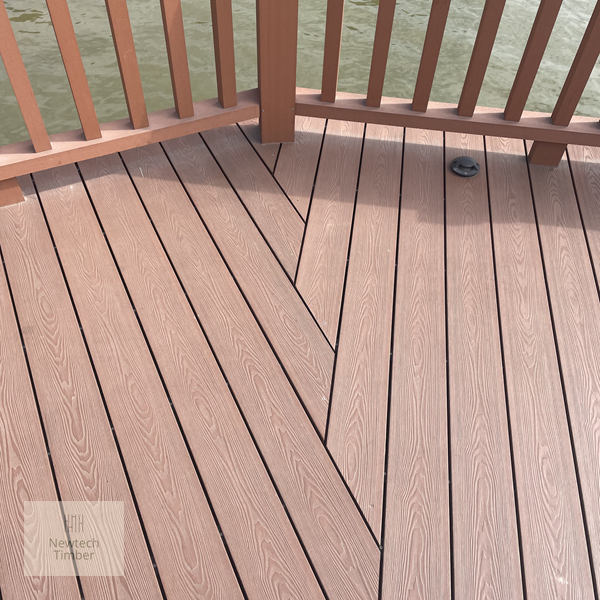
Moreover, the longevity of black plastic wood contributes to a more sustainable lifecycle. By reducing the frequency of material replacement, projects using black plastic wood can lower their carbon footprint over time. This aspect is particularly relevant in large-scale developments where resource management and environmental impact are evaluated.
Project Considerations for Architects and Designers
When incorporating black plastic wood into outdoor designs, there are several project considerations to keep in mind. Firstly, it is essential to evaluate the specific application and environment. For example, areas with high moisture levels may benefit from the material’s resistance to rot and decay. Additionally, consideration should be given to the overall design aesthetic and how black plastic wood will interact with other materials in the space.
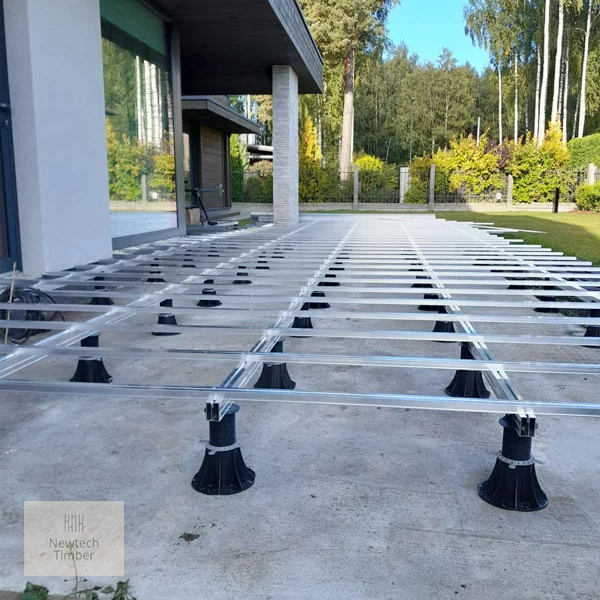
Architects and landscape designers should also consider the sourcing of black plastic wood, ensuring that it comes from reputable manufacturers who prioritise sustainability and quality. Collaborating with suppliers who understand the nuances of WPC materials can facilitate informed decisions that enhance project outcomes. Engaging in discussions about installation techniques and maintenance practices with manufacturers is equally crucial to ensure the longevity and success of the designs.
Black plastic wood stands out as an exceptional material choice for modern outdoor designs, offering a myriad of benefits that align with contemporary architectural and landscaping principles. Its combination of durability, low maintenance, aesthetic versatility, and sustainable characteristics makes it a go-to option for landscape engineering professionals. As projects evolve to meet the demands of modern living, the thoughtful integration of black plastic wood will undoubtedly contribute to creating lasting impressions in outdoor spaces.