Properties of Boat Decking Composite
Boat decking composite has emerged as a popular choice for marine outdoor environments, largely due to its unique blend of durability and aesthetic appeal. Composed primarily of wood fibres and recycled plastics, this material offers a level of resistance to the elements that traditional wood cannot match. The formulation of boat decking composite ensures it withstands moisture, UV exposure, and temperature fluctuations, all of which are critical factors in a marine setting.
Unlike natural wood, which can warp, rot, or splinter over time, boat decking composite maintains its structural integrity while providing a slip-resistant surface. This characteristic not only enhances safety on boats and docks but also reduces the risk of injury, making it an ideal choice for families and commercial applications alike.
Comparing with Natural Wood and Traditional Timber
Natural wood has always been revered for its aesthetic charm and traditional appeal. However, the maintenance required to keep wood in optimal condition can be demanding. Regular staining, sealing, and inspection for insect damage are necessary to prolong the life of wooden decking. In contrast, boat decking composite requires minimal upkeep. It can be cleaned easily with soap and water, retaining its appearance without the need for time-consuming treatments.
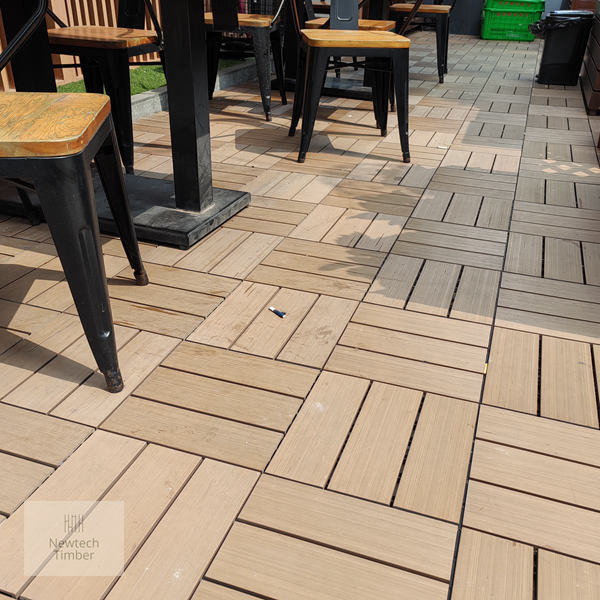
Moreover, when comparing costs, boat decking composite fares more favourably over its lifespan. While the initial investment may be higher than that of low-grade timber, the reduced need for maintenance and the longevity of composite decking make it a financially sound decision. Traditional timber can also face issues such as fading and discoloration, which composite materials are designed to resist.
Durability and Performance Metrics
When assessing the performance of decking materials in marine environments, durability stands out as a key factor. Boat decking composite excels in this area, as it is engineered to resist moisture and prevent mould and mildew growth, both of which can plague wooden surfaces. This durability translates into a longer lifecycle, resulting in less frequent replacements and reduced waste.
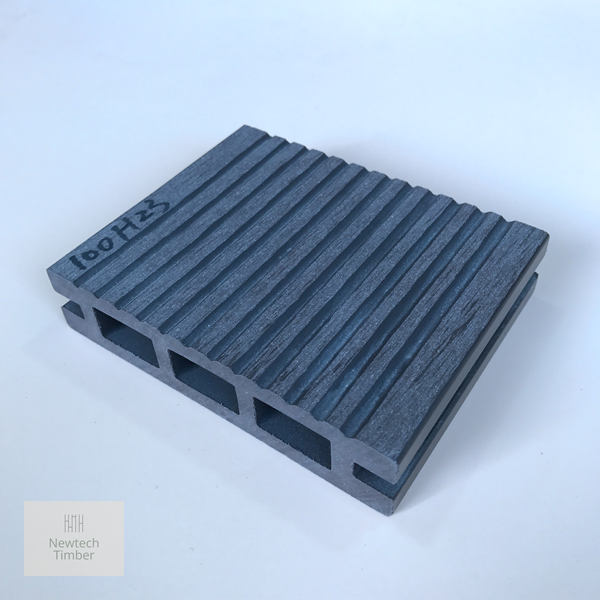
In harsh marine environments where salt and fresh water can cause rapid degradation of materials, the resilience of composite decking becomes apparent. Aluminium, while durable, can become hot and slippery underfoot, which may not be ideal for all users. Furthermore, the metallic nature of aluminium can lead to corrosion over time, especially in coastal areas. Boat decking composite avoids these pitfalls, providing a safer and more stable option.
Maintenance Requirements of Different Materials
In terms of maintenance, the comparison between boat decking composite and other materials is stark. Natural wood demands regular preservation efforts, whereas composite decking may only need occasional cleaning. This difference is particularly appealing for boat owners and marina operators who seek to minimise downtime for maintenance rather than enjoying their outdoor spaces.
Aluminium requires thorough checking for corrosion and can be challenging to repair if damaged. In contrast, composite materials can often be repaired or replaced in sections, making them a practical choice for those who wish to maintain a fresh look without extensive labour. Additionally, the colour retention of boat decking composite ensures that its visual appeal lasts longer than both aluminium and traditional wood.
Lifecycle Costs and Environmental Considerations
Lifecycle costs are an essential consideration when choosing decking materials. Although the initial purchase price of boat decking composite may be higher, its durability and low maintenance needs suggest a much lower total cost over time. This aspect becomes increasingly important when evaluating for commercial uses, where the budget constraints often dictate long-term planning.
From an environmental standpoint, boat decking composite is frequently produced using recycled materials, making it a sustainable choice. In contrast, sourcing natural wood can contribute to deforestation if not managed responsibly, and the production of aluminium can be energy-intensive. Choosing composite decking thus not only benefits the consumer in terms of cost and longevity but also promotes environmentally-friendly practices.
The choice of material for boat decking in marine outdoor environments is influenced by a multitude of factors, including durability, maintenance, costs, and environmental impact. Boat decking composite shines in all these areas, offering a practical and sustainable alternative to traditional materials. With the increasing demand for eco-conscious solutions and the need for low-maintenance outdoor options, the adoption of boat decking composite is likely to grow, making it a wise investment for both individual boat owners and commercial ventures.

