Installation Errors with Veranda Gray Composite Decking
Installing veranda gray composite decking can be an enjoyable process, but mistakes during installation can lead to significant issues. One common error is not allowing for the necessary expansion gaps between boards. Composite materials expand and contract with temperature fluctuations, and failing to leave adequate space can cause the decking to buckle or warp. It is essential to follow the manufacturer’s guidelines carefully, ensuring that you account for the expansion in your installation plans.
Another frequent issue arises from improper fastening techniques. Whether using hidden fasteners or face screws, securing the boards incorrectly can lead to uneven surfaces or even structural failure over time. Always check the recommended fastening methods for the specific product you are installing to avoid such problems.
Dealing with Color Variations
One of the appealing features of veranda gray composite decking is its consistent colour, but some customers may notice slight differences in shade between boards. This can occur due to variations in the manufacturing process or exposure to sunlight over time. To mitigate this, it is a good idea to mix boards from various boxes before installation. Doing so helps ensure a more uniform appearance across the deck surface.
In cases where significant colour discrepancies are observed post-installation, you might want to consult with your supplier about possible replacement options. They often have procedures in place for addressing such concerns, particularly if the issue is a result of a manufacturing defect.
Expansion and Contraction Issues
As with any composite material, veranda gray composite decking is subject to thermal expansion and contraction. This is particularly noticeable during extreme temperature changes. If boards are installed too tightly without room for movement, you may experience buckling or gaps during seasonal transitions. It is essential to monitor your deck’s performance and make adjustments where necessary, especially after the first summer and winter.
Homeowners should also consider the use of end caps or trim boards to protect the exposed ends of the decking. This can help manage the effects of moisture and minimise any potential warping due to environmental stressors.
Addressing Surface Scratches
Even with its durability, veranda gray composite decking can be susceptible to scratches, particularly in high-traffic areas. Customers often express concern over visible marks left by furniture or foot traffic. Maintaining the beauty of your deck starts with proper care. Using felt pads under furniture legs can greatly reduce the risk of scratches, while regular cleaning with a gentle soap solution will keep the surface free from dirt and grime, which can exacerbate scratching.
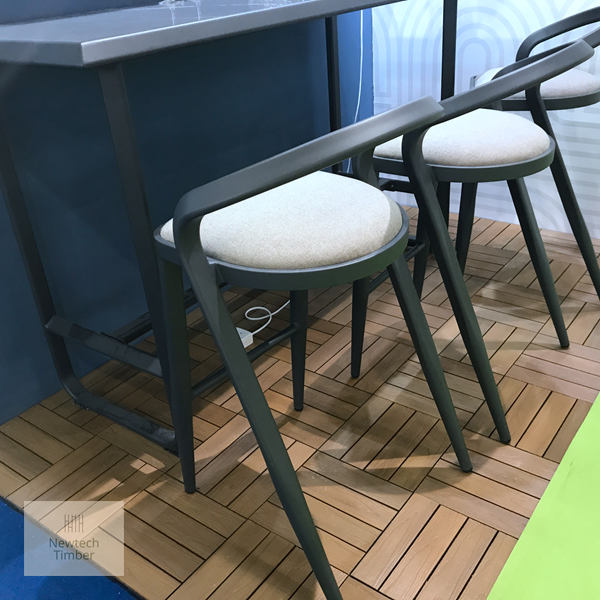
For minor scratches, a light sanding can sometimes restore the surface. However, be cautious, as over-sanding can lead to a more noticeable change in texture and colour. For deeper scratches, a specialised composite repair kit may be necessary to restore the decking to its original appearance.
Maintenance Requirements for Longevity
One of the significant advantages of veranda gray composite decking is its low maintenance requirements compared to traditional wood. However, some routine care is essential to ensure longevity. Regular sweeping to remove debris and occasional washing with a mild detergent will keep your deck looking pristine. It is advisable to clean spills promptly, especially those that can stain, such as oil or wine.

Moreover, homeowners should inspect their decking periodically for any signs of wear or damage. This includes checking for any loosened fasteners or signs of mildew. Timely repairs can prevent more significant problems down the line, ensuring that your veranda gray composite decking remains an attractive and functional feature of your outdoor space for years to come.

