The Extrusion Process of WPC Wall Panels
Producing WPC wall panel white involves a detailed extrusion process that begins with material selection. The primary components include wood fibres and thermoplastics, which are carefully mixed to create a uniform blend. This initial phase is crucial, as the ratio of wood to plastic will ultimately influence the durability and aesthetics of the final product. After mixing, the materials are pelletised. This step transforms the blend into uniform pellets, which not only ensures consistent quality but also facilitates the extrusion process. The size and shape of these pellets can significantly affect the flow characteristics during extrusion.
Temperature control is vital throughout the extrusion process. The mixture is subjected to high temperatures within the extruder, where the materials melt and become pliable. Maintaining the correct temperature is essential to prevent degradation of the wood fibres while ensuring optimal flow of the thermoplastics. Each specific formulation of WPC wall panel white may require precise temperature adjustments to achieve the desired consistency and physical properties.
Mold Design and Cooling Calibration
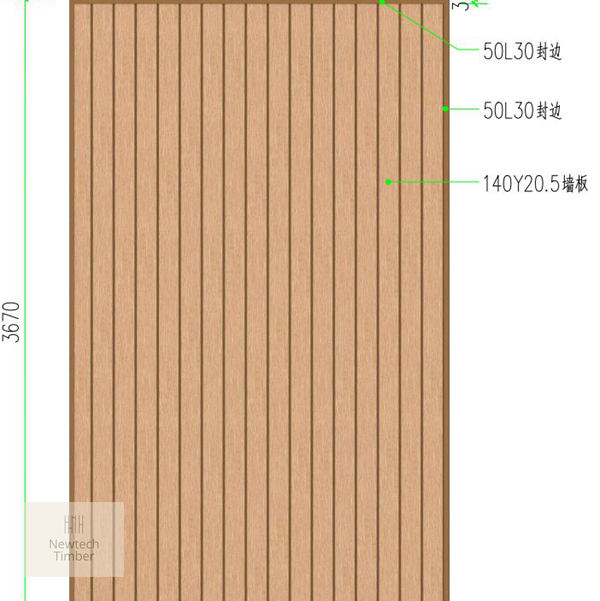
After the material has been extruded, the next critical step involves mold design. Creating the right mold is fundamental for shaping the WPC wall panel white into its final form. The mould must not only produce panels of the correct dimensions but also accommodate any design features that may enhance aesthetic appeal, such as textures or profiles. An effective mold design can lead to more efficient production and higher-quality finishes, reducing the need for additional surface treatments.
Cooling calibration is equally important. Once the WPC material is out of the extruder, it needs to cool to solidify. This cooling phase is carefully controlled to prevent warping or distortion of the panels. Using water baths or air cooling systems, manufacturers ensure that the panels maintain their shape and structural integrity. Proper cooling also contributes to the overall surface quality, an essential factor for achieving the visually appealing finish of the WPC wall panel white.
Surface Treatment for Aesthetic Appeal
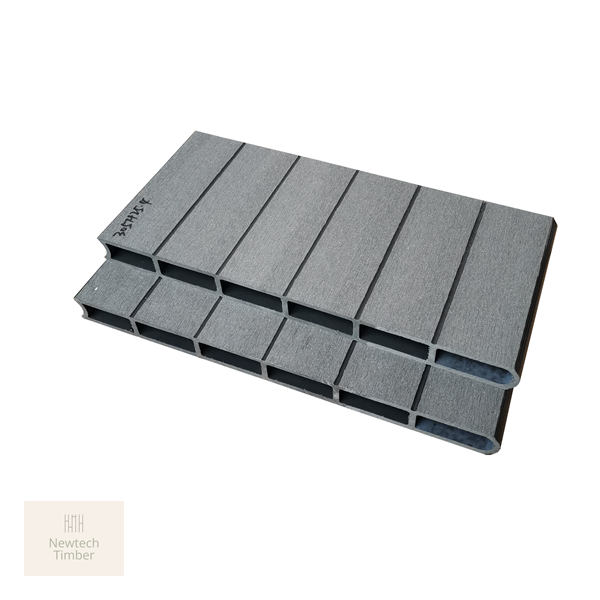
The surface treatment of WPC wall panel white is a significant aspect of the production process, as it enhances both the appearance and durability of the panels. Various treatments can be applied, such as sanding, coating, or laminating, depending on the desired finish. A well-executed surface treatment not only improves the aesthetics but also protects the panels from weather-related wear and tear, ensuring that they remain stylish and functional over time.
Different surface finishes can also influence the marketability of WPC wall panel white. For instance, a textured finish can provide a natural wood-like appearance, appealing to those who desire the look of timber without the maintenance issues associated with real wood. As manufacturers innovate, the variety of available finishes continues to expand, allowing for greater design flexibility in outdoor wall applications.
Common Production Challenges
Furthermore, mold wear and tear can also impact production efficiency and panel quality. Regular maintenance and timely replacement of molds are necessary to ensure the production of high-quality WPC wall panel white. Additionally, cooling issues can cause production delays, particularly if the cooling system is not adequately calibrated. By addressing these challenges with proactive solutions, manufacturers can enhance the overall efficiency of the WPC extrusion process.
Choosing WPC Wall Panel White for Exterior Designs
The final product, WPC wall panel white, presents an attractive option for modern exterior wall designs. Its aesthetic appeal combined with the benefits of durability and low maintenance makes it a compelling choice for architects and designers. The versatility of WPC allows for the creation of bespoke designs that cater to individual client preferences while ensuring that structures remain visually appealing and resilient against environmental factors.
As WPC technology continues to evolve, the possibilities for innovative designs expand, making WPC wall panel white an increasingly popular choice for stylish exterior applications. The combination of advanced production techniques and the material’s inherent advantages positions WPC wall panels as a leading solution in the construction industry.

