Innovative Material Technology
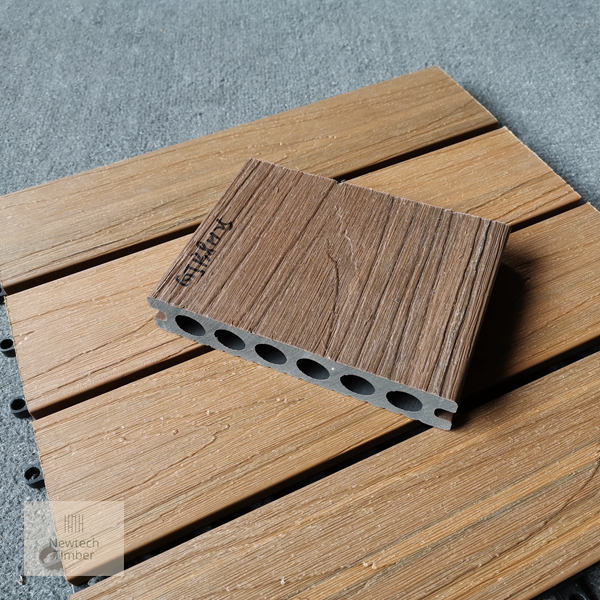
The evolution of wood composite skateboard deck material technology showcases a remarkable blend of durability and aesthetic appeal. Combining reclaimed wood fibres with low-density polyethylene, manufacturers craft materials that are not only environmentally friendly but also exceptionally resilient. This technology provides an ideal foundation for a variety of applications including skateboards and various outdoor structures such as decking and cladding. The unique properties of wood composites allow for the creation of products that can withstand the rigours of outdoor use while retaining a natural wood-like appearance.
Wood composite skateboard decks have gained traction among skateboarders due to their lightweight nature and enhanced grip. The incorporation of recycled materials not only reduces waste but also boosts performance, making it a popular choice for both professional and amateur skaters. Beyond skateboards, the same technology can be adapted for use in constructing decks, balconies, and outdoor furnishings, showcasing the versatility of wood composites in the modern architectural landscape.
Applications in Residential Spaces
When incorporated into residential projects, wood composite materials offer homeowners a sustainable option for enhancing their outdoor spaces. Composite decking provides an excellent surface for patios and poolside areas, allowing families to enjoy their gardens without the maintenance burden that traditional wood requires. The resistance to splintering and fading means that homeowners can expect their decks to remain vibrant and safe for years.
Furthermore, the aesthetic potential of wood composites allows for creative design possibilities. From sleek, modern balconies to rustic garden retreats, the range of colours and textures available in composite materials can complement any home style. By utilising wood composites for decking and cladding, homeowners can create inviting spaces that are not only functional but also visually appealing, encouraging outdoor living.
Commercial and Public Spaces
The application of wood composite materials in commercial settings has further illustrated their adaptability. Businesses are increasingly opting for composite decking in outdoor dining areas, shopping centres, and public parks. The durability of these materials means they can endure heavy foot traffic while maintaining an attractive appearance. In addition, the slip-resistant qualities of wood composites enhance safety, making them ideal for use around pools and in other wet areas.
In terms of aesthetics, wood composite cladding is being used to transform the facades of commercial buildings. The rich textures and colours allow architects to create striking designs that stand out in urban environments. This innovative material not only enhances the visual appeal of buildings but also contributes to energy efficiency by providing insulation, making it a wise choice for environmentally conscious businesses.
Inspiration for Landscapes
Landscaping projects benefit greatly from the use of wood composites. Whether it is constructing an elegant pergola or a sturdy gazebo, these materials offer durability while harmonising with the natural environment. The ability to create large, open structures that withstand harsh weather conditions makes composite materials particularly useful for garden designers and landscapers.
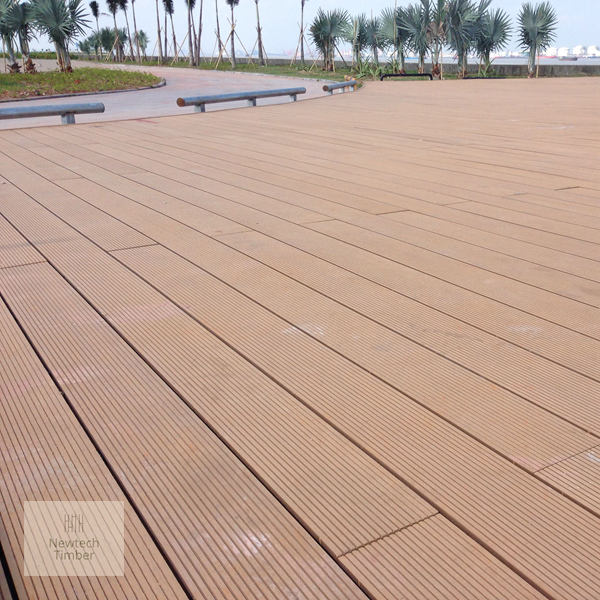
Additionally, composite fencing solutions can define spaces within gardens while providing privacy and security. The range of styles and finishes available allows for customisation that aligns with the overall design theme of the landscape. With wood composite materials, landscape architects can create outdoor sanctuaries that are not only beautiful but also functional, ensuring that outdoor spaces are utilised to their fullest potential.
Environmental Benefits
One of the standout features of wood composite materials is their environmental impact. Using recycled materials in production reduces the reliance on virgin timber, preserving forests and wildlife habitats. The longevity of wood composite products further enhances their sustainability profile, as they do not require frequent replacement or maintenance, thereby minimising waste.
Moreover, the production processes of wood composites are designed to be less harmful to the environment compared to traditional wood processing. This makes the use of wood composite skateboard deck materials not just a smart choice for performance, but also a responsible one, appealing to eco-conscious consumers and businesses alike.

