Global Export Preparation For Outdoor WPC Products
As a WPC extrusion technology engineer, I see international orders succeed when production knowledge is combined with careful export preparation. Global buyers and distributors need more than finished boards; they require stable quality, reliable specifications, and a manufacturing process that can support long term supply. A professional wood plastic component export process begins with selecting suitable raw materials, defining product standards, and confirming the application requirements for different climates and construction projects.
Before extrusion starts, engineers review the required mechanical performance, colour stability, weather resistance, and installation conditions. Export projects often involve decking, wall cladding, fencing systems, and other outdoor applications. Each market may have different expectations for thickness tolerance, surface appearance, packaging strength, and environmental standards. Clear communication between the factory, sales team, and overseas distributor reduces production risks and improves delivery efficiency.
Material Mixing And Pellet Production Control
The quality of a WPC profile is determined from the first stage of manufacturing. Wood flour, polymers, additives, pigments, and processing agents must be accurately measured and mixed. Wood fibre preparation is especially important because moisture content, particle size, and consistency directly affect extrusion stability. Excess moisture can create bubbles, weak bonding, and surface defects during processing.
After high speed mixing, many factories use pelletizing systems to create uniform WPC compounds before extrusion. Pellet production improves feeding stability and allows engineers to maintain consistent material distribution. During this stage, temperature settings, mixing speed, and cooling conditions are monitored carefully. A well controlled compound formula helps the final product achieve better impact resistance, dimensional stability, and outdoor durability.
Extrusion Temperature Control And Machine Operation
The extrusion stage transforms prepared material into finished profiles through controlled heating, pressure, and shaping. Different zones of the extruder require different temperature settings because the polymer must melt gradually while protecting the wood content from degradation. Excessive heat can burn wood fibres, change colour, or create unpleasant odours. Insufficient heat may cause poor mixing and uneven surface quality.
Engineers adjust screw speed, feeding rate, pressure levels, and barrel temperatures according to product size and formula design. Stable extrusion conditions are essential for producing a reliable wood plastic component that meets export specifications. Regular machine maintenance, including screw inspection and calibration checks, helps prevent sudden quality changes during long production runs.
Mold Design And Cooling Calibration Methods
Mold design directly influences profile shape, strength, and production efficiency. A WPC extrusion mold must provide balanced material flow so that every section of the profile receives consistent pressure. Poor flow design can cause uneven thickness, twisting, internal stress, or weak corners. Engineers analyse product structure carefully before manufacturing the mold, especially for complex hollow profiles and locking systems.
After leaving the mold, the hot profile enters a cooling calibration system. Vacuum calibration tables control dimensions while cooling tanks reduce temperature gradually. Proper calibration prevents shrinkage, bending, and inaccurate measurements. For overseas buyers, dimensional consistency is important because installers need products that fit together correctly during construction. Cooling speed, water temperature, and calibration pressure must be adjusted according to the specific profile design.
Surface Treatment And Export Quality Inspection
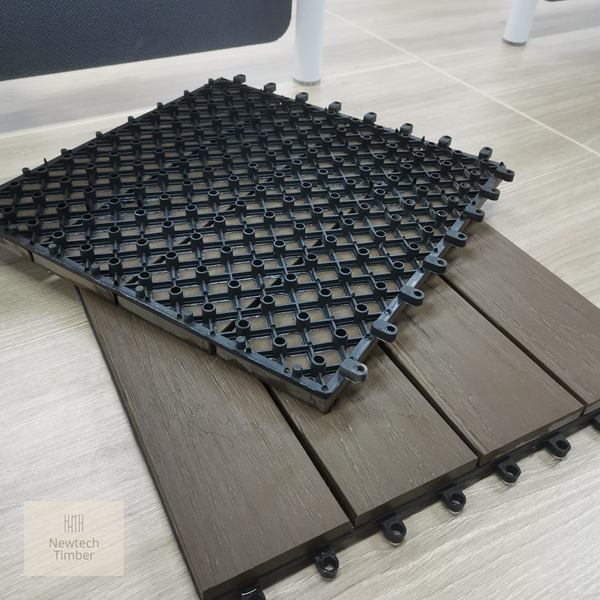
Surface finishing gives outdoor WPC products their final appearance and functional properties. Factories may use embossing, sanding, brushing, co extrusion layers, or protective coatings to improve texture and resistance against weather exposure. A high quality surface treatment process creates a natural wood appearance while maintaining the advantages of composite materials.
Quality inspection teams examine colour consistency, dimensions, density, impact strength, water absorption, and surface defects before products are packed. Common production problems include colour variation, poor fibre distribution, warping, cracking, and unstable dimensions. Engineers identify the source of each issue by checking raw materials, machine settings, mold conditions, and cooling performance rather than only inspecting the final product.
Packaging And Long Term Supply Support For Buyers
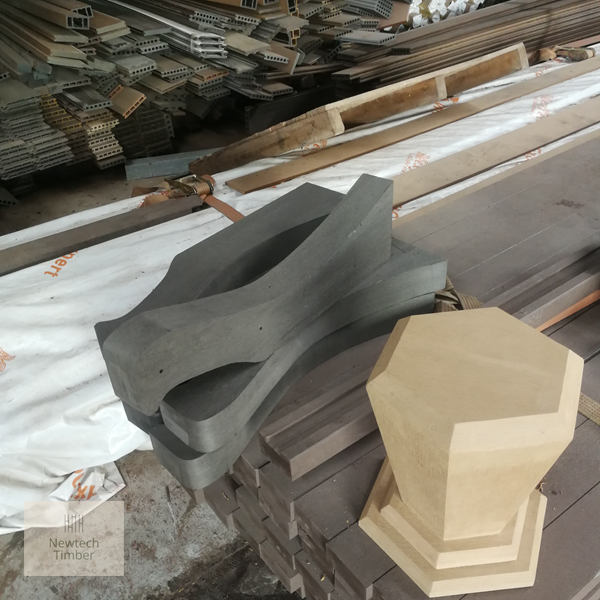
Export packaging is the final manufacturing stage before shipment and requires attention from both production and logistics teams. WPC profiles must be protected from moisture, impact, and deformation during international transport. Proper stacking methods, protective films, corner protection, and reinforced pallets help distributors receive products in good condition.
Experienced WPC manufacturers also provide technical support after delivery. Installation guidance, product documentation, and feedback from overseas projects allow factories to improve future production. A complete export process connects engineering control with customer service, helping global buyers build dependable supply chains for outdoor WPC applications.