Understanding WPC Building Materials
Wood plastic composite (WPC) building materials represent a remarkable innovation in the construction industry, particularly for outdoor applications. Combining the durability of wood with the resilience of plastic, WPC materials offer an excellent alternative to traditional timber products. WPC building materials are becoming increasingly popular for projects ranging from residential gardens to commercial landscapes, thanks to their aesthetic appeal and environmentally friendly characteristics. They are designed to withstand the elements, making them an ideal choice for decking and exterior wall cladding.
One of the foremost advantages of WPC materials is their low maintenance requirement. Unlike conventional wood, which can be susceptible to rot, warping, and insect infestations, WPC products maintain their appearance and structural integrity over time. This durability not only adds to the longevity of the installation but also reduces the need for regular upkeep, ultimately saving both time and money for homeowners and contractors alike.
Evaluating Composite Decking Options
When it comes to selecting composite decking, the options can be overwhelming. Various manufacturers offer different grades of WPC with distinct properties that cater to diverse needs. Buyers should consider factors such as colour, texture, and finish, as well as the environmental impact of the product. Understanding the raw materials used in the manufacture of WPC is essential; products that contain recycled materials can significantly reduce your project’s carbon footprint.
Another important aspect to consider is the warranty offered by the manufacturer. High-quality composite decking typically comes with a long-term warranty, which is an indication of the manufacturer’s confidence in their product. It’s advisable to read the warranty terms carefully to ensure that it covers wear, fading, and structural integrity over time. Such precautions can prevent future issues and expenses associated with replacing or repairing damaged decking.
Common Mistakes to Avoid
While choosing the right WPC building materials, several common pitfalls can easily be avoided with a bit of forethought. One frequent mistake is underestimating the importance of climate suitability. Different climates can have a considerable impact on the performance of composite materials. For instance, areas with high humidity may require products specifically designed to resist moisture, while those in regions with intense sunlight should consider materials that can withstand UV exposure without fading.
Another common error is selecting a product based solely on cost. While budget is undoubtedly important, opting for the cheapest option can lead to compromises in quality and durability. It is essential to strike a balance between price and performance; sometimes, investing a little more up front can save significant costs down the line due to improved longevity and reduced maintenance needs.
Reading Specifications and Certifications
Understanding product specifications is vital when comparing WPC building materials. Buyers should look for certifications that indicate the product’s quality and compliance with industry standards. Certifications such as ASTM (American Society for Testing and Materials) or ISO (International Organization for Standardization) attest to the material’s performance in various conditions, providing peace of mind for buyers.
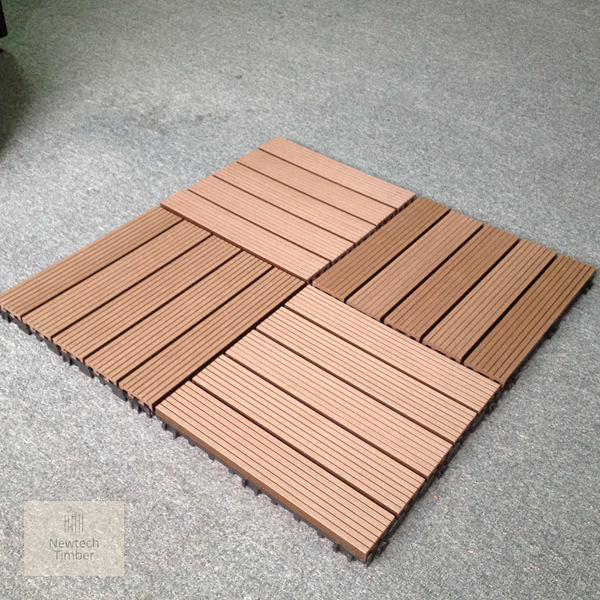
Specifications also include details such as weight, density, and thermal expansion rates. These metrics are crucial for ensuring that the chosen product will perform as expected under the specific conditions of your project. Knowledge of these technical aspects will enable buyers to make informed decisions that align with the requirements of their construction projects.
Choosing the Right Product for Your Project
Selecting the right WPC building materials hinges on the specific needs of your project. Factors like the intended use of the space, aesthetic preferences, and environmental considerations all play a role in this decision. For instance, if you’re designing an outdoor area that will be used frequently for social gatherings, a slip-resistant decking option may be paramount.
Additionally, when considering wall cladding, it is essential to think about insulation properties and how they can contribute to energy efficiency. Some WPC products offer enhanced thermal performance, which can help regulate indoor temperatures and reduce energy costs over time. Ensuring that the chosen materials align with both functional and aesthetic goals will ultimately lead to a successful outdoor construction project.
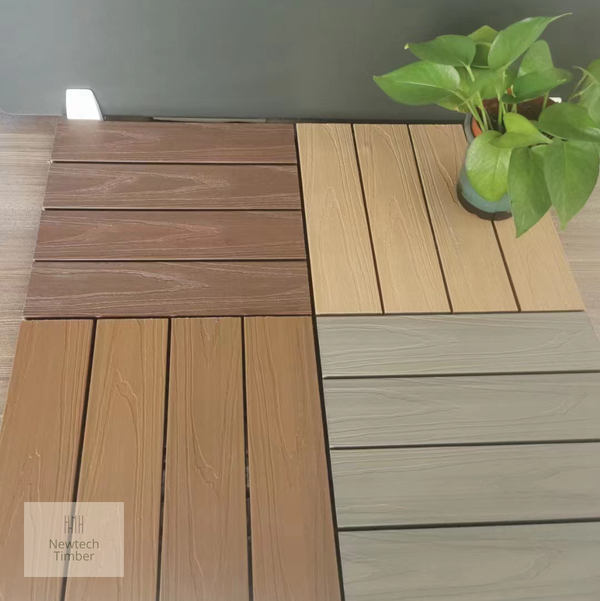
WPC building materials stand out as a sustainable choice in construction, combining the best features of both wood and plastic to create versatile and durable products. As the importance of sustainability in construction grows, WPC materials are increasingly being recognised for their ability to reduce waste and reliance on natural timber resources. By carefully evaluating your options, avoiding common mistakes, and understanding specifications, you can ensure that your choice of composite decking and cladding will enhance your outdoor spaces for years to come.

