The Rise of WPC Flooring Board
Wood Plastic Composite (WPC) flooring board has emerged as a popular alternative for outdoor flooring applications, thanks to its impressive durability and aesthetic appeal. Made by blending recycled wood fibres with plastic, WPC offers a sustainable solution that caters to the growing demand for environmentally friendly building materials. As more homeowners and businesses look towards eco-conscious choices, WPC flooring board stands out as a responsible option that does not compromise on quality or appearance.
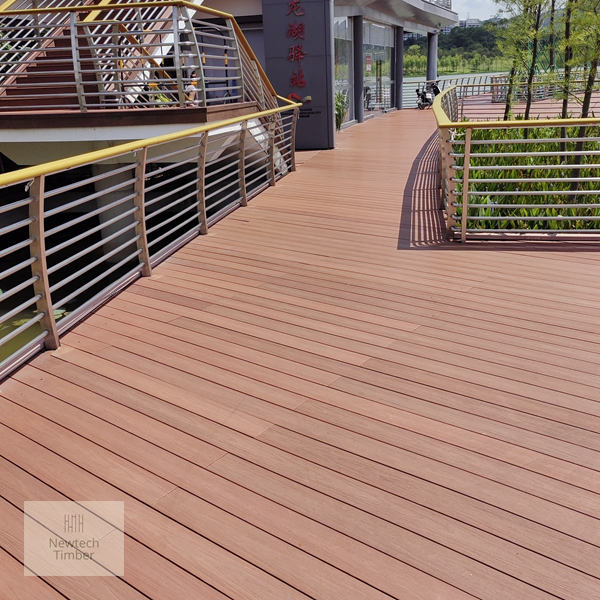
WPC flooring board is particularly suited for outdoor environments, where exposure to the elements can take a toll on traditional wooden materials. Unlike solid wood, which can warp, splinter, or rot, WPC retains its shape and structural integrity even in harsh weather conditions. This resilience makes it an ideal choice for patios, balconies, and garden walkways, ensuring that outdoor spaces remain not only beautiful but also functional for years to come.
Sustainability Through Recycled Composition
The composition of WPC flooring board is one of its most significant advantages. By utilising recycled materials, manufacturers significantly reduce the demand for virgin resources, which in turn helps to combat deforestation. This is particularly important in today’s climate, where the destruction of forests contributes to biodiversity loss and increased carbon emissions. WPC flooring boards are crafted from a mixture of reclaimed wood and recycled plastics, effectively giving new life to materials that would otherwise end up in landfills.
This eco-friendly manufacturing process not only conserves natural resources but also supports a circular economy. Each WPC board produced represents a step towards sustainability, as it reduces the need for new timber and minimises waste. By choosing WPC flooring boards, consumers can contribute to the reduction of environmental harm while enjoying a durable product that looks and feels like natural wood.
Reduced Deforestation and Its Impact
WPC flooring board serves as a viable solution to the pressing issue of deforestation. By replacing traditional timber with composite materials, the demand for new wood products is diminished. This shift is essential in preserving forests, which play a critical role in regulating the planet’s climate and sustaining wildlife habitats. The environmental benefits extend beyond conservation; they also create a more balanced ecosystem that can better withstand the impacts of climate change.
Moreover, manufacturers of WPC materials are increasingly committed to responsible sourcing practices. Many companies engage in sustainable forestry initiatives, ensuring that any wood used in the production process comes from verified sustainable sources. Such practices enhance the eco-credentials of WPC flooring boards and provide customers with the confidence that their choices support environmental stewardship.
Recyclability and Longevity
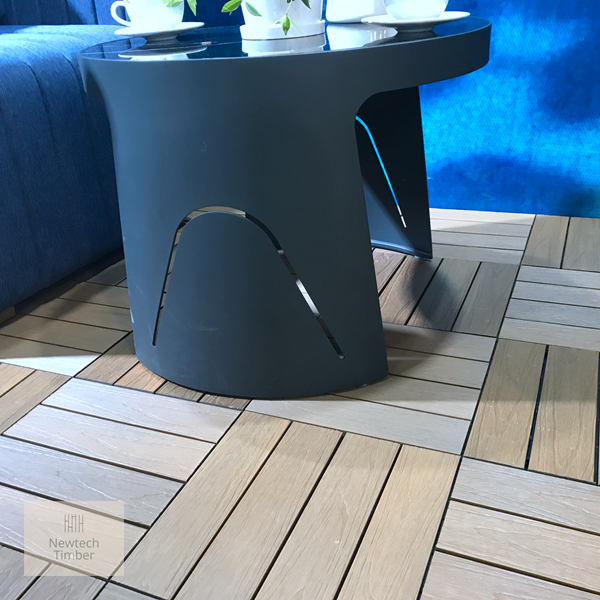
Another remarkable feature of WPC flooring board is its recyclability. At the end of its life cycle, WPC can be reprocessed into new products, further promoting sustainability. This characteristic aligns perfectly with the principles of reducing, reusing, and recycling, making it a smart choice for environmentally conscious consumers. Unlike traditional wood, which often cannot be recycled once treated with chemicals or finishes, WPC flooring boards can be repurposed in various applications, minimising waste.
The longevity of WPC flooring boards also plays a crucial role in their appeal. With proper care, these boards can last for decades, providing excellent returns on investment. Their resistance to fading, staining, and moisture allows them to maintain their aesthetic appeal over time, reducing the need for replacement. This durability means less frequent manufacturing of new boards, further decreasing the environmental impact associated with production.
The Environmental Responsibility of WPC Materials
Choosing WPC flooring board for outdoor applications reflects a commitment to environmental responsibility. By opting for these composite materials, consumers and businesses can take a proactive stance in reducing their carbon footprint. The sustainable properties of WPC contribute to healthier living environments, both indoors and outdoors, while also supporting broader ecological goals.
Furthermore, the shift towards WPC materials is indicative of a growing trend in the construction and landscaping industries. As awareness of environmental issues rises, more professionals are turning to sustainable alternatives like WPC to meet the needs of their clients. This collective movement towards eco-friendly building practices not only enhances the industry’s environmental impact but also sets a precedent for future innovations in sustainable building materials.

