Wood Plastic Composite flooring, commonly referred to as WPC flooring, is an innovative building material that combines the natural aesthetics of wood with the durability and resilience of plastic. This composite material is engineered through an intricate manufacturing process that involves blending wood fibers with thermoplastics, resulting in a product that is not only visually appealing but also functional for a variety of applications, particularly in outdoor settings.
The production of WPC flooring typically begins with the selection of raw materials. The primary components are wood fibers, usually sourced from recycled wood or sawdust, and thermoplastics such as polyvinyl chloride (PVC) or polyethylene. The choice of materials is crucial as it directly influences the final product’s performance and environmental impact. The wood fibers provide an organic appearance and contribute to the material’s strength, while the plastics enhance its moisture resistance and longevity.
Once the raw materials are selected, they undergo a series of processing steps. First, the wood fibers are dried to ensure they contain minimal moisture. Excess moisture can negatively affect the bonding process between the wood and plastic components, leading to a weaker final product. After drying, the wood fibers are mixed with the plastic in a precise ratio, often using additives that improve the material’s performance characteristics, such as UV stability, color retention, and resistance to mold and mildew.
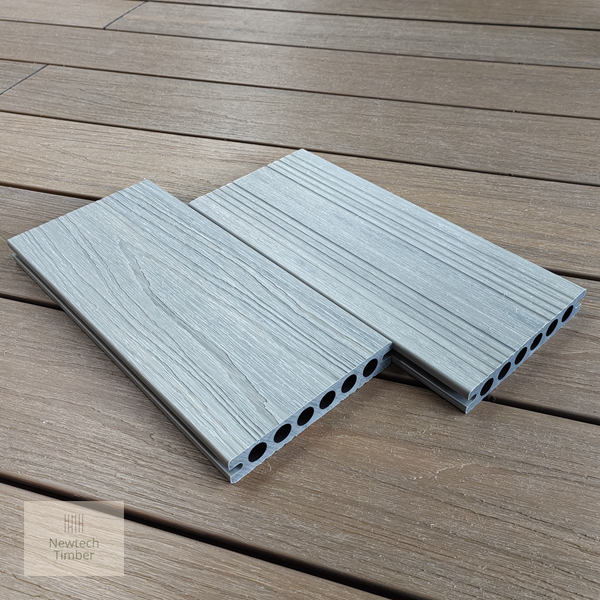
The mixed materials are then subjected to a process called extrusion. In this step, the combined mixture is heated to a specific temperature, allowing the thermoplastics to melt and fully encapsulate the wood fibers. The molten mixture is pushed through a mold, forming the desired shape of the flooring planks. After shaping, the material is cooled and solidified, resulting in a strong and stable product. This extrusion process is vital as it ensures uniformity in thickness and density across the flooring planks, which is essential for their performance in outdoor environments.
Another significant aspect of WPC flooring production is the surface treatment. The flooring can be finished with various textures and colors, mimicking the appearance of natural wood while providing additional slip resistance. This is particularly important for outdoor applications where wet conditions can lead to slippery surfaces. The treatment process can also include UV stabilizers that protect the color from fading due to prolonged exposure to sunlight, ensuring that the flooring maintains its aesthetic appeal over time.
WPC flooring offers numerous benefits for outdoor applications. One of the primary advantages is its exceptional durability. Unlike traditional wood flooring, WPC is resistant to warping, splintering, and cracking, making it ideal for areas exposed to the elements. This durability significantly reduces the need for frequent maintenance and replacement, leading to cost savings in the long term.
Another important benefit of WPC flooring is its water resistance. The plastic component of the composite effectively prevents water absorption, minimizing issues related to mold and mildew growth. This characteristic is particularly advantageous for outdoor spaces such as decks, patios, and poolside areas, where exposure to moisture is inevitable. As a result, WPC flooring remains safe and usable in various weather conditions, allowing homeowners to enjoy their outdoor spaces year-round.
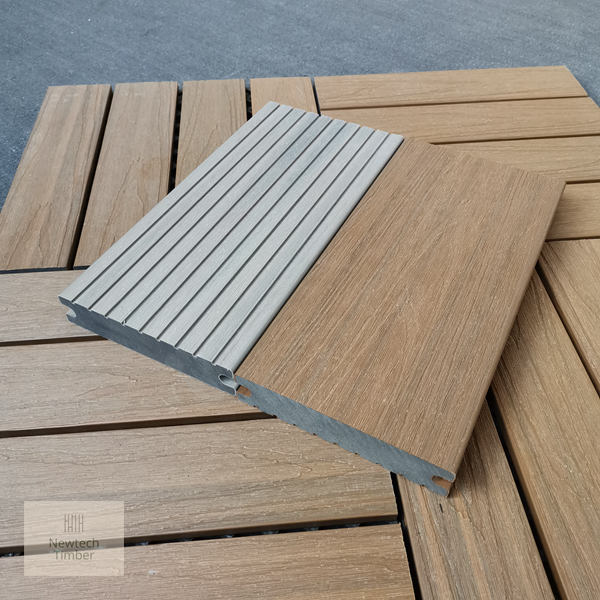
WPC flooring is also an environmentally friendly choice. The use of recycled wood fibers reduces waste, while the plastics can be sourced from recycled materials as well. This sustainable approach minimizes the environmental impact associated with traditional flooring materials. Additionally, the long lifespan of WPC flooring means fewer resources are consumed over time in production and replacement.
Furthermore, the installation of WPC flooring is typically straightforward, often involving interlocking designs or click-lock systems that eliminate the need for adhesives or nails. This ease of installation translates to reduced labor costs and faster project completion times, making it an attractive option for both homeowners and contractors.
WPC flooring stands out as a versatile and practical choice for outdoor applications. Its combination of aesthetic appeal, durability, water resistance, and environmental sustainability positions it as a leading alternative to traditional wood flooring. With its ability to withstand various weather conditions while maintaining its integrity and appearance, WPC flooring is increasingly becoming the preferred option for outdoor spaces, contributing to the transformation of how we approach outdoor living areas.

