Wood Plastic Composite, or WPC, has become a popular choice for wall applications, particularly in stylish and functional design contexts. NewTechTimber is at the forefront of this innovative material, offering panels that combine aesthetic appeal with practicality. The production process of WPC panels is a key factor that contributes to their unique properties, making them ideal for modern architectural solutions.
The manufacturing of WPC panels begins with the careful selection of raw materials. Typically, the composition includes a blend of wood fibers and thermoplastic resins. The wood fibers are often sourced from recycled materials, promoting sustainability while providing the natural look and feel of traditional wood. The resins, usually polyethylene or polypropylene, enhance the durability and resilience of the final product. By varying the proportions of these components, manufacturers can tailor the properties of the WPC panels to meet specific performance criteria.
Once the raw materials are procured, they undergo a process called compounding. During compounding, the wood fibers and resins are mixed together in a heated extruder. This heat causes the thermoplastic to melt, allowing it to uniformly coat the wood fibers. The resulting composite material is then extruded into specific shapes, such as panels for wall applications. The extruder’s temperature and pressure are carefully controlled to ensure optimal bonding between the wood and plastic components, which is essential for the strength and longevity of the panels.
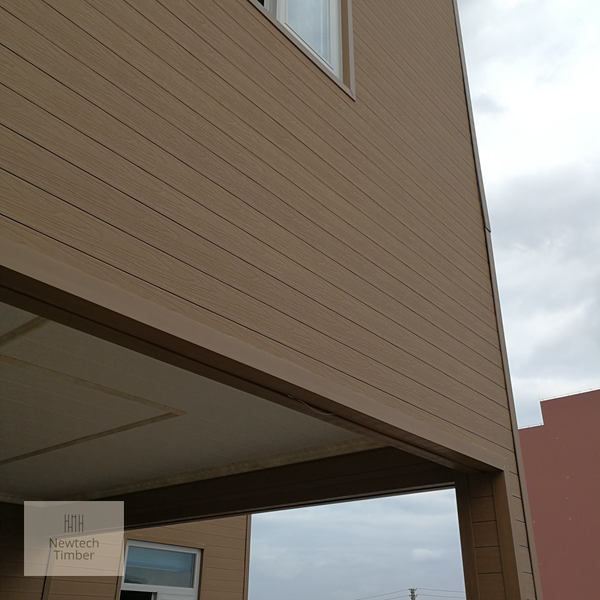
After the extrusion process, the WPC panels are cooled and cut to size. At this stage, manufacturers may also apply additional treatments to enhance the panels’ properties. For instance, UV stabilizers can be incorporated to protect the surface from sun damage, while antimicrobial agents can be added to inhibit mold and mildew growth. These treatments ensure that the panels not only look good but also perform well in a variety of environments, including high-humidity areas like bathrooms or kitchens.
The surface finish of WPC panels is another important aspect of the production process. NewTechTimber offers a range of finishes that mimic natural wood textures, allowing for a stylish appearance that can suit various design aesthetics. The finishing processes may involve sanding, coating, or even embossing to create a tactile experience that enhances the visual appeal. This attention to detail ensures that the panels can seamlessly integrate into both contemporary and traditional interior designs.
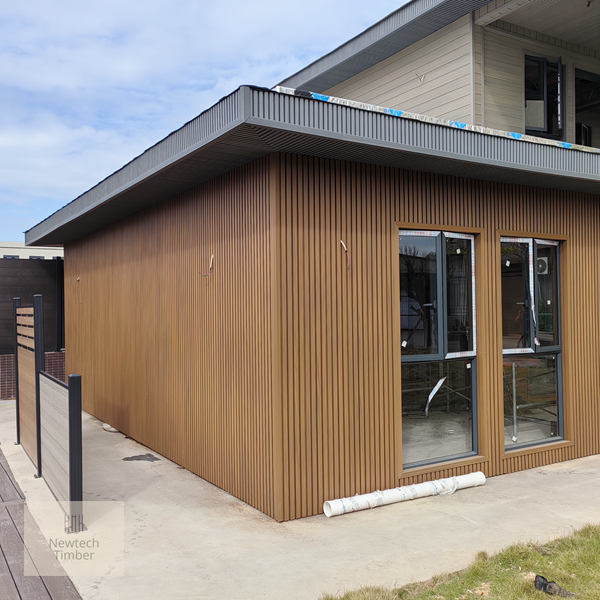
One of the standout features of WPC panels is their ease of installation. The manufacturing process allows for precise dimensions, which means the panels fit together easily and securely. Many WPC panel systems are designed to be lightweight, making them manageable for installation without the need for specialized tools or heavy machinery. This not only reduces labor costs but also allows for faster project completion, which is a significant advantage for contractors and builders.
WPC panels are also known for their durability and low maintenance requirements. Unlike traditional wood, which can warp, splinter, or rot over time, WPC panels are resistant to these common issues. Their ability to withstand moisture and temperature fluctuations makes them suitable for a variety of climates and applications. This resilience means that once installed, the panels require minimal upkeep, appealing to homeowners and designers looking for long-lasting solutions.
The environmental impact of WPC production is another important consideration. NewTechTimber emphasizes sustainability in its manufacturing processes by utilizing recycled materials and minimizing waste. The energy used in producing WPC panels is also lower compared to traditional lumber processing, making it a more eco-friendly option. As consumers become increasingly conscious of their environmental footprint, the demand for sustainable building materials like WPC continues to grow.
In the realm of design, WPC panels provide versatility that is hard to match. They can be used in a wide range of applications, from accent walls in residential interiors to cladding for commercial buildings. The variety of colors and textures available allows designers to create unique spaces that reflect individual styles while maintaining functionality. Whether it is a sleek modern office or a cozy rustic home, WPC panels can be adapted to fit the vision of any project.
The combination of innovative production techniques, sustainable materials, and aesthetic versatility makes WPC panels from NewTechTimber an excellent choice for wall applications. As the demand for stylish and functional design continues to rise, these panels stand out as a practical solution that does not compromise on quality or visual appeal. With their many benefits, WPC panels are poised to play a significant role in the future of interior and exterior design.

