Wood Plastic Composite (WPC) panels have gained significant popularity in contemporary outdoor design, offering a clean and modern aesthetic that appeals to a wide range of tastes. The combination of wood fibers and plastic materials creates a versatile product that not only enhances the visual appeal of outdoor spaces but also provides numerous performance advantages. The white finish of WPC panels, in particular, contributes to a fresh and sleek look that can elevate any outdoor environment.
One of the most notable benefits of WPC panels is their durability. Unlike traditional wood, WPC is resistant to rot, warping, and splintering, making it an ideal choice for outdoor applications. This resistance is especially important in environments that experience fluctuating weather conditions. Rain, humidity, and extreme temperatures can take a toll on natural wood, leading to deterioration over time. WPC panels, on the other hand, are engineered to withstand these challenges, ensuring that outdoor spaces maintain their aesthetic appeal for years to come.
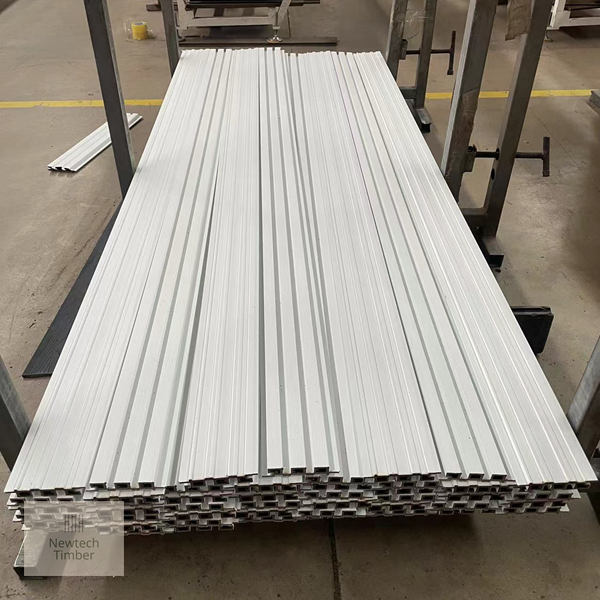
Moreover, the white color of WPC panels adds a sense of brightness and openness to outdoor areas. This clean hue reflects sunlight, which can make smaller spaces appear larger and more inviting. The modern design of WPC panels complements various architectural styles, seamlessly integrating into both contemporary and traditional settings. Homeowners and designers can use these panels to create a cohesive look that enhances the overall ambiance of patios, decks, and outdoor living areas.
Another key aspect of WPC panels is their low maintenance requirements. Unlike traditional wood, which may need regular staining or painting to preserve its appearance, WPC panels require minimal upkeep. A simple wash with soap and water is often sufficient to keep them looking pristine. This ease of maintenance is particularly appealing to those who want to enjoy their outdoor spaces without the constant burden of upkeep. In addition, the color of WPC panels is consistent throughout the material, meaning that scratches or scuffs are less noticeable compared to painted woods.
WPC panels are also environmentally friendly. The materials used in their production often include recycled wood fibers and plastic, which helps reduce waste and the consumption of natural resources. For homeowners looking to make sustainable choices in their outdoor design, WPC panels represent a responsible option that aligns with eco-friendly values. Furthermore, the longevity of these panels means that they do not need to be replaced as frequently as traditional materials, resulting in reduced environmental impact over time.
When considering the thermal performance of WPC panels, it is noteworthy that they tend to have lower thermal conductivity compared to traditional wood. This can be especially advantageous in hot climates, as WPC panels do not absorb heat as readily. As a result, outdoor spaces remain cooler and more comfortable for longer periods, which enhances the overall user experience. The ability to resist fading due to UV exposure is another performance characteristic that adds to the value of WPC panels. The white finish is engineered to retain its brilliance even under harsh sunlight, ensuring that outdoor spaces stay elegant and vibrant.
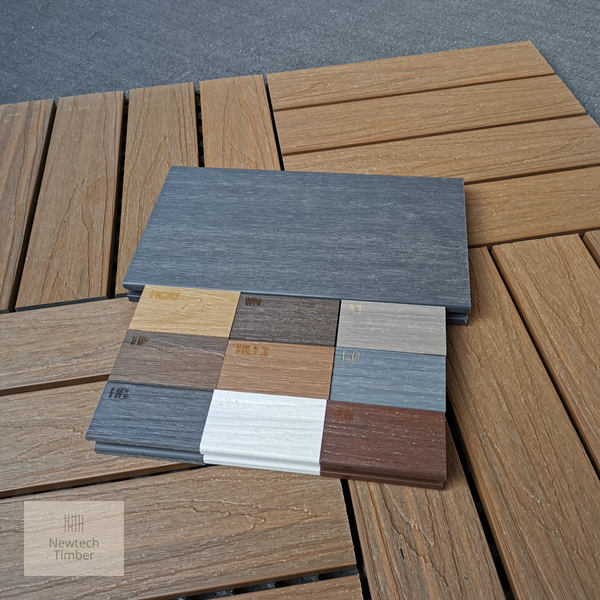
In terms of design versatility, WPC panels can be used in a variety of applications. From fencing and decking to wall cladding and garden furniture, the potential uses of WPC are extensive. This adaptability allows for creative expressions in outdoor design, whether one aims for a minimalist look or a more intricate layout. The consistent dimensions and finishes of WPC panels facilitate easy installation and customization, making them a favorite among both DIY enthusiasts and professional contractors.
The use of WPC panels in outdoor spaces marks a significant advancement in material technology, combining the best attributes of wood and plastic. The clean and modern look offered by the white finish can transform any outdoor area into an elegant retreat. As more homeowners and designers recognize the benefits of WPC, it is likely that this innovative material will continue to shape the future of outdoor design. With its blend of durability, low maintenance, environmental responsibility, and aesthetic appeal, WPC panels present an exciting option for enhancing the functionality and beauty of outdoor environments.

