Wood Plastic Composite (WPC) siding has gained significant popularity in recent years as an alternative to traditional siding materials. This composite material combines the durability of plastic with the aesthetic appeal of wood, making it an attractive option for homeowners and builders alike. To make an informed decision about WPC siding, it is essential to understand its pros and cons, particularly in the context of global production capacity and price advantages.
One of the most significant advantages of WPC siding is its durability. Unlike traditional wood siding, WPC is resistant to rot, mold, and insects, which can be a persistent problem in many climates. This resistance leads to lower maintenance costs over time, as homeowners do not need to worry about frequent repairs or replacements. Additionally, WPC siding does not warp or crack as easily as wood, ensuring that it maintains its appearance and functionality for many years.
Another key benefit of WPC siding is its eco-friendliness. Most WPC products are made from recycled materials, including wood fibers and plastic. This not only helps to reduce waste but also minimizes the demand for virgin timber, contributing to more sustainable forestry practices. As environmental concerns continue to rise globally, products like WPC siding are increasingly appealing to eco-conscious consumers.

In terms of aesthetics, WPC siding offers a wide range of colors and finishes, allowing homeowners to choose options that suit their design preferences. Manufacturers often provide various textures that mimic the look of natural wood, giving consumers the best of both worlds—durability and visual appeal. Moreover, WPC siding can be painted or stained, providing further customization options.
From a production capacity perspective, the global market for WPC siding is expanding rapidly. Many manufacturers have recognized the growing demand for sustainable building materials and have invested in the technology and processes necessary to produce high-quality WPC products. Regions with abundant plastic waste and wood resources, such as Southeast Asia and North America, have become key players in this market. With ongoing innovations in production techniques, the availability of WPC siding is likely to increase, making it more accessible to consumers worldwide.
However, it is crucial to consider some disadvantages associated with WPC siding. One of the main concerns is its initial cost. While WPC siding can save money in the long run due to its low maintenance requirements, the upfront investment can be higher than that of traditional wood siding. Homeowners must weigh the long-term savings against the initial expense to determine if WPC is the right choice for their budget.
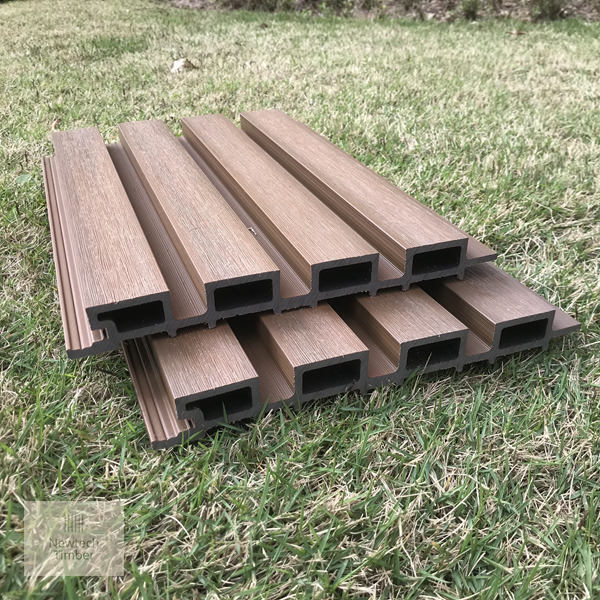
Another drawback is that some WPC products may not have the same level of structural integrity as natural wood. While WPC is generally durable, it can be less robust in certain applications, such as load-bearing structures. Homeowners should ensure they choose high-quality products from reputable manufacturers to mitigate this risk.
Additionally, the market for WPC siding can be subject to fluctuations in price due to the availability of raw materials. As global production capacity increases, prices may stabilize; however, any disruptions in the supply chain or changes in demand can lead to price volatility. Consumers should remain vigilant regarding market trends and potential price changes.
Another consideration is the thermal expansion of WPC siding. The material can expand and contract with temperature changes, which may lead to gaps or misalignments over time if not properly installed. Homeowners should engage experienced professionals for installation to minimize these potential issues.
In light of the advantages and disadvantages of WPC siding, it is clear that making an informed decision involves assessing individual needs and circumstances. The growing global production capacity and the potential for price advantages make WPC siding an increasingly viable option for many. However, understanding the material’s limitations and the importance of quality installation is essential for maximizing its benefits. Ultimately, WPC siding presents a unique opportunity for those seeking a sustainable, low-maintenance, and aesthetically pleasing solution for their building projects.

