如何准确计算复合层间距

Testing Dimensional Accuracy

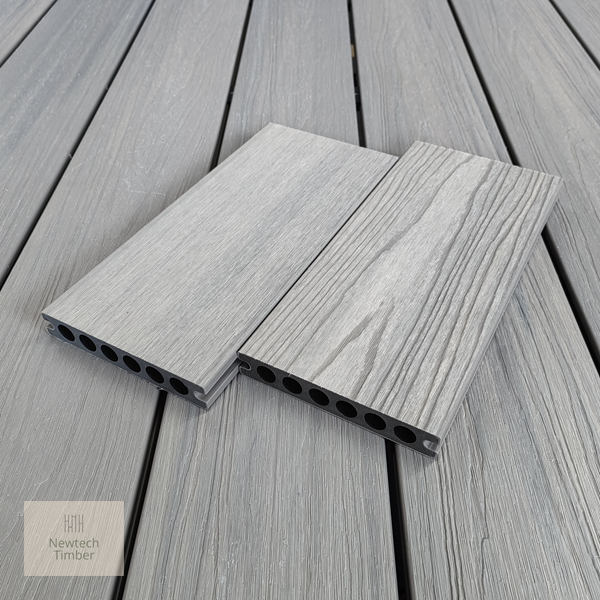
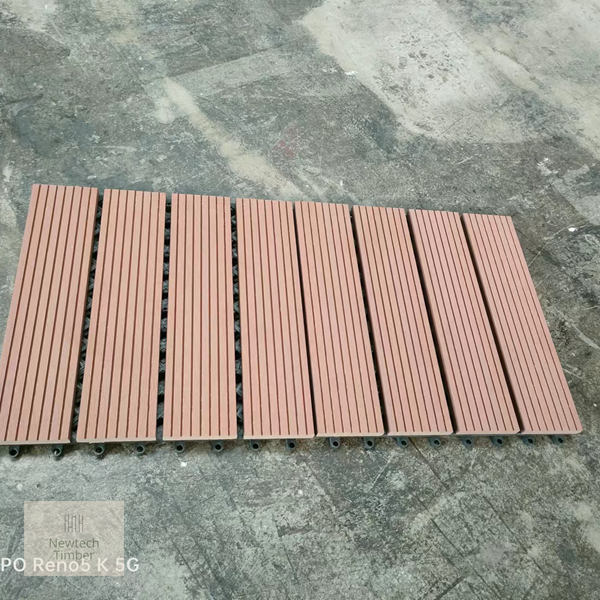
Each outdoor WPC product must undergo rigorous dimensional accuracy testing prior to shipment. This involves measuring the length, width, and thickness of composite deck boards to ensure they conform to specified standards. Using precise measuring tools, such as calipers and micrometers, inspectors verify each piece, particularly focusing on areas where composite deck miter joints spacing is critical. This ensures that joints align correctly when assembled, avoiding gaps or misalignments that could compromise the structural integrity of the deck.

In addition to linear measurements, inspectors also assess the flatness and straightness of the boards. Any warping or twisting could lead to complications during installation, making this step essential in maintaining quality standards. Ensuring dimensional accuracy not only enhances the aesthetics of the finished product but also improves its performance and longevity.

Assessing Density and Impact Resistance

The density of WPC products is another vital metric that significantly affects performance characteristics. A higher density typically indicates a more durable product, which can withstand heavier loads and resist wear over time. To assess density, samples are taken from various sections of the batch and weighed before being measured for volume. This data allows quality inspectors to confirm that the product meets or exceeds industry standards.

Impact resistance testing is equally important, particularly for outdoor applications where the material may be subjected to dropping tools or heavy objects. This test involves dropping a standardized weight from a specific height onto the board and measuring the resulting damage. A product that passes this test is deemed fit for use, ensuring it can handle the rigours of everyday life while maintaining its aesthetic appeal.

Evaluating Water Absorption and Colour Stability

Water absorption tests are conducted to determine how susceptible the WPC material is to moisture. This is particularly relevant for outdoor applications where exposure to rain, snow, or humidity is inevitable. Samples are submerged in water for a predetermined period, and the weight difference before and after immersion is measured. Low water absorption indicates better performance in wet conditions, reducing the risk of swelling or warping over time.

Colour stability assessments are also crucial, especially for products that will be exposed to direct sunlight. Inspectors expose samples to UV light for extended periods and evaluate any fading or discolouration. A high-quality WPC product should show minimal changes in colour, ensuring that the aesthetic appeal remains intact throughout its lifespan.

Testing Bending Strength and Appearance

Bending strength is an essential property of any composite decking material, as it determines how well the boards can support weight without bending or breaking. A three-point bending test is typically employed, where a board is placed between two supports, and force is applied at the centre until failure occurs. This test not only assesses the strength of the material but also identifies any potential weak points in the design.

Alongside structural testing, appearance inspections play a significant role in the quality control process. Inspectors check for visual defects such as scratches, colour inconsistencies, and surface blemishes. Ensuring that the product meets aesthetic standards is vital for customer satisfaction, as outdoor WPC products not only need to be functional but also visually appealing to enhance the overall outdoor space.

Final Quality Assurance Measures

Once all the tests have been conducted, the final step involves compiling the results and ensuring that all products meet the predefined quality criteria. Each batch is documented with its test results, and any products that do not meet standards are rejected or reworked. This meticulous process guarantees that only the highest quality WPC products are shipped to customers, ultimately fostering trust and reliability in the brand.

With thorough testing in place for dimensional accuracy, density, impact resistance, water absorption, colour stability, bending strength, and overall appearance, WPC products are well-prepared for both function and form in outdoor settings. Quality inspection serves not only to verify product specifications but also to enhance customer satisfaction and promote longevity in outdoor installations.