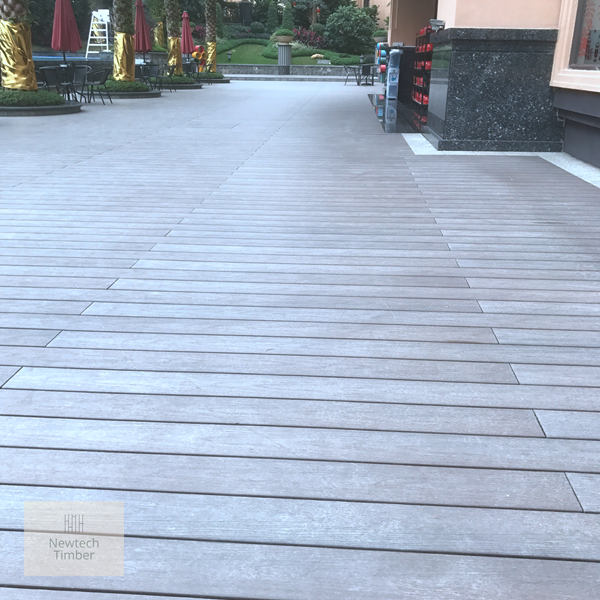
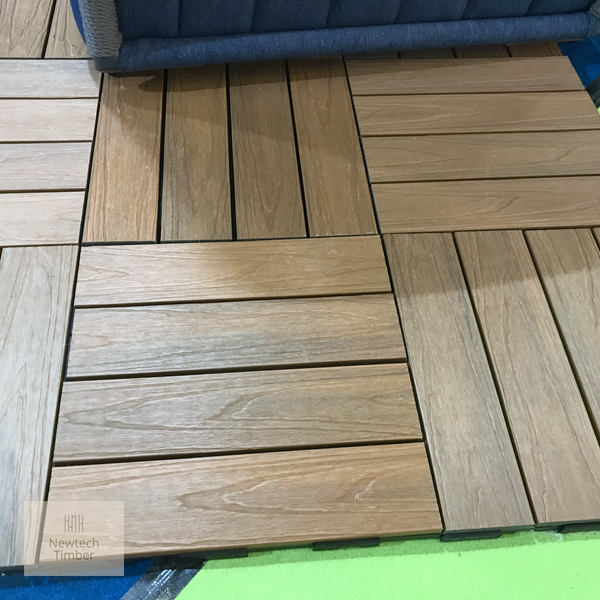
The Appeal of Plastic Decking That Looks Like Wood
Plastic decking that looks like wood has gained significant popularity among homeowners and builders alike, thanks to its ability to combine aesthetics with sustainability. The modern consumer is increasingly conscious of the environmental impacts of their choices, and WPC, or wood-plastic composite, decking serves as an excellent alternative to traditional timber. By utilising recycled materials within its composition, this innovative building product not only mimics the natural beauty of wood but also helps reduce waste and the demand for virgin timber.
As a sustainable building materials specialist, it is vital to highlight that the incorporation of recycled plastic and wood fibres in WPC decking significantly lowers the overall environmental footprint. This approach not only conserves natural resources but also reduces landfill waste, making it an attractive option for eco-conscious consumers. Every plank of plastic decking that looks like wood is, in essence, a step towards more sustainable living practices.
Reduced Wood Consumption and Environmental Impact
One of the most compelling reasons to choose plastic decking that looks like wood is its contribution to reducing deforestation and preserving forests. With the ever-increasing demand for timber, forests worldwide face immense pressure, leading to habitat loss and biodiversity decline. By opting for WPC materials, consumers can partake in a building trend that prioritises sustainability. The reduced consumption of natural wood leads to less environmental degradation and a greener planet for future generations.

Furthermore, many manufacturers of WPC products emphasise their commitment to sustainability through responsible sourcing and production practices. This often includes certifications that reassure consumers about the environmental integrity of their decking choices. Such transparency builds trust in the product and aligns with the values of those wishing to make more eco-friendly decisions in their outdoor spaces.
WPC 甲板的耐用性与持久性
Durability is another critical factor that enhances the appeal of plastic decking that looks like wood. Unlike traditional wood, which can warp, crack, or splinter over time due to weather exposure, WPC decking is designed to withstand harsh outdoor conditions. Its resistance to moisture, insects, and UV rays means that it retains its aesthetic appeal without the need for frequent repairs or replacements.
This longevity translates into lower maintenance costs for homeowners and businesses alike. With WPC decking, there is no need for regular staining or sealing; a simple wash with soap and water suffices to keep it looking pristine. This low-maintenance advantage not only saves time but also reduces the overall cost of ownership, making it an economically sound choice in the long run.
Low Maintenance Advantages
The ease of maintenance associated with plastic decking that looks like wood cannot be overstated. Traditional wooden decks require constant attention, from treating with preservatives to annual cleaning and repairs. In contrast, WPC materials allow for a carefree outdoor experience, ideal for busy homeowners and commercial properties looking to create inviting spaces without the hassle of upkeep.

Moreover, the colour and style options available in WPC products allow for a customised appearance that adheres to various design preferences, making it versatile for different outdoor environments. Whether for a residential patio, a public park, or a luxurious poolside setting, WPC decking offers a sophisticated look without the heavy environmental cost.