The Importance of Insulation in Exterior Composite Wall Panels
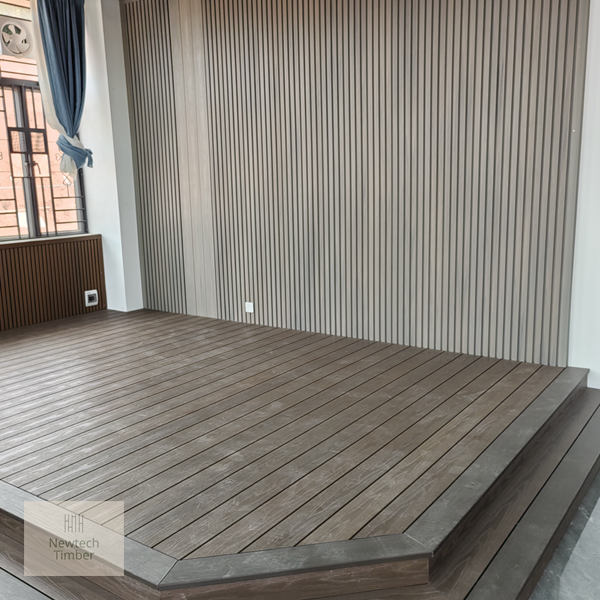
Exterior composite wall panels have become increasingly popular due to their remarkable benefits in improving a building’s insulation and aesthetic appeal. These panels are designed to combine durability with an attractive appearance, making them a preferred choice among architects and builders. As a WPC quality inspection supervisor, I understand that ensuring the integrity and performance of these panels is paramount. Before shipment, a comprehensive testing process is conducted to evaluate various essential properties of the outdoor WPC products.
Dimensional Accuracy and Density Testing
Dimensional accuracy is critical in maintaining the integrity of any building structure. Before the exterior composite wall panels are dispatched, we meticulously measure their dimensions to ensure they meet the specified standards. This involves checking lengths, widths, and thicknesses, guaranteeing that each panel fits perfectly during installation. Alongside dimensional checks, density testing is also performed. The density of WPC materials directly affects their structural strength and thermal insulation properties. By carefully assessing density, we can determine if the panels will provide the necessary support and insulation required for energy-efficient buildings.
Evaluating Impact Resistance and Water Absorption
Impact resistance is another vital test carried out on exterior composite wall panels. This property determines how well the panels can withstand external forces, such as hail or debris. We perform rigorous testing to simulate real-world conditions, ensuring that the panels can endure impact without compromising their structural integrity. Water absorption tests are equally important, as they measure the panel’s ability to repel moisture. High water absorption rates can lead to swelling, warping, or other forms of damage over time. By testing for water absorption, we ensure the panels can withstand various weather conditions while maintaining their appearance and performance.
Assessing Color Stability and Bending Strength
The aesthetic appeal of exterior composite wall panels largely hinges on their colour stability over time. As part of our quality assurance process, we expose the panels to ultraviolet (UV) light and other environmental conditions to assess their resistance to fading and discolouration. This testing ensures that the exterior panels retain their vibrant colours and do not degrade due to prolonged exposure to sunlight. Additionally, bending strength is evaluated to ascertain the load-bearing capacity of the panels. This involves applying pressure until failure occurs, which helps us understand how the panels will perform under various load conditions.
Appearance Inspection and Final Quality Control
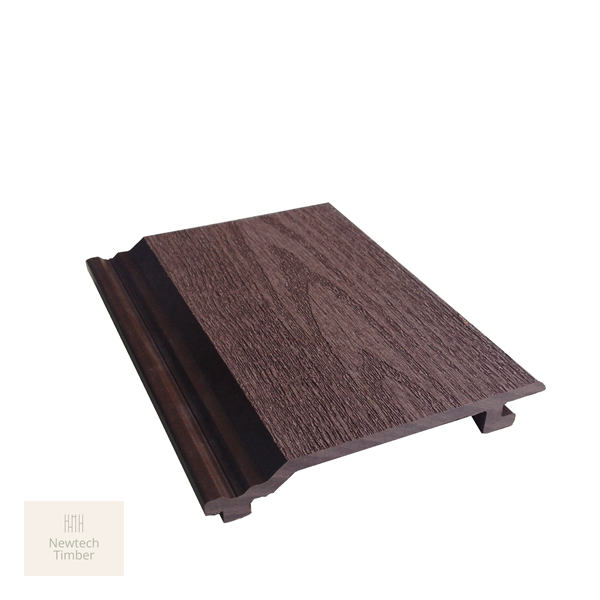
Before any panel reaches the market, a thorough appearance inspection is conducted. This step involves scrutinising the panels for any surface defects, such as scratches, dents, or inconsistencies in texture and finish. Each panel is examined closely to ensure it meets the highest aesthetic standards expected by clients and end-users. After the appearance inspection, we conduct a final quality control review, which encapsulates all previous tests and inspections. This stage ensures that the exterior composite wall panels are not only functional but also visually appealing, thus enhancing the overall architectural design of the buildings they will grace.
Ensuring Compliance with Industry Standards
Compliance with industry standards is vital for the exterior composite wall panels to be considered reliable and safe for use. Our testing processes are aligned with established guidelines, ensuring that every panel meets regulatory requirements. This commitment to quality not only protects our customers but also fosters trust in the market. By adhering to these rigorous standards, we can confidently guarantee that our panels will enhance both the insulation and appearance of buildings, contributing positively to sustainable architecture.

