Significance of WPC Profile Designs
When considering the application of composite deck paint, understanding the intricacies of Wood Plastic Composite (WPC) profile designs is vital. The design of a WPC profile significantly affects its overall performance and aesthetic appeal. Each design choice, from hollow structures to solid configurations, directly influences strength and durability. Hollow structures, while lighter and often more cost-effective, may not offer the same level of rigidity as their solid counterparts. This balance must be carefully considered, especially in outdoor settings where exposure to elements can lead to degradation over time.
Moreover, the choice between hollow and solid profiles impacts not only strength but also weight and installation performance. Solid profiles provide a robust feel underfoot and resist warping better than hollow ones. Conversely, hollow profiles are easier to handle and install, which can reduce labour costs during construction. This trade-off is crucial for contractors and architects when selecting materials for composite decking applications.
Rib Designs and Their Role in Performance
Rib designs further enhance the structural integrity of WPC profiles. By incorporating ribs, engineers can significantly improve the load-bearing capacity of the composite decking while keeping the overall weight to a minimum. The intricacies of rib placement and size can dictate how the deck will perform under stress, making it essential to tailor these elements to the specific requirements of a project.
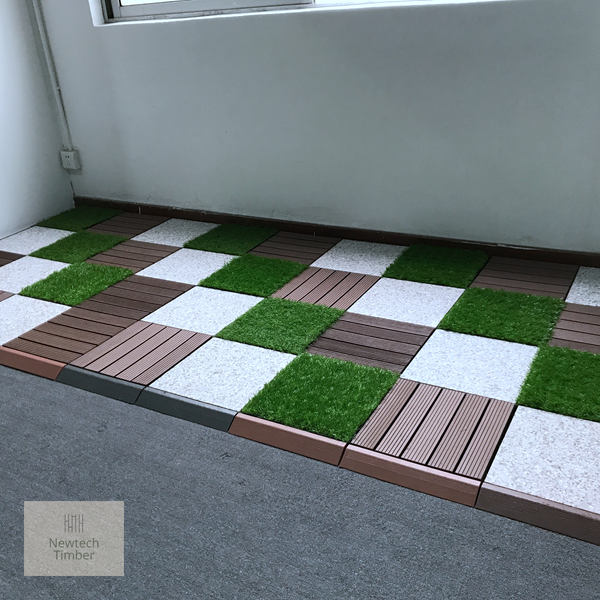
In addition, ribbed profiles can assist in creating a non-slip surface, enhancing safety for outdoor areas. This feature is especially beneficial in wet climates. The strategic design of ribs not only influences the mechanical properties of the decking but also contributes to an efficient drainage system, preventing water accumulation and thus prolonging the lifespan of the composite material.
Surface Patterns and Aesthetic Considerations
The aesthetic appeal of a composite deck is often a decisive factor in the selection process. Surface patterns play a crucial role in this regard, as they can mimic natural wood grain while offering the durability of WPC materials. The ability to apply composite deck paint effectively is directly influenced by these surface patterns. Textured surfaces often promote better adhesion of the paint, ensuring a long-lasting finish.
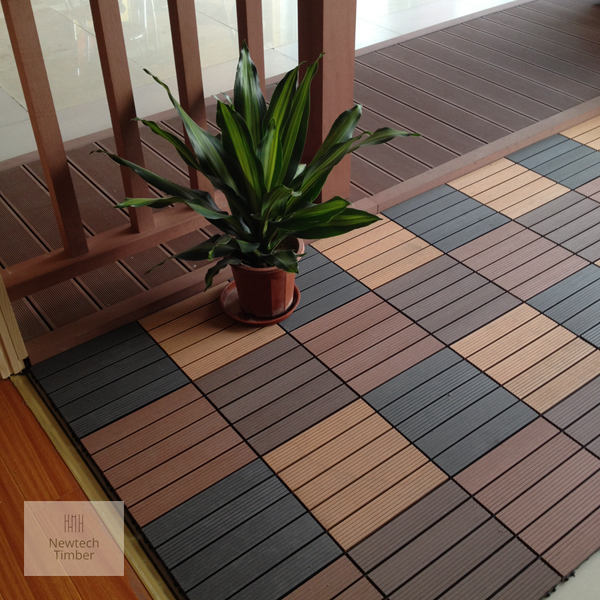
Furthermore, the choice of surface pattern can affect the maintenance requirements of the deck. Smooth surfaces may require more frequent painting or sealing, while textured designs can hide imperfections and minor damages more effectively. As a WPC extrusion mold design engineer, it is essential to consider how these surface characteristics impact both aesthetics and functionality, especially in relation to the final application and environmental conditions.
Cost Considerations in WPC Design
Cost is always a significant factor in any construction project, and WPC profile designs are no exception. The complexity of the design can drastically influence manufacturing expenses. For instance, solid structures tend to be more expensive to produce due to the raw material costs and the energy required during the extrusion process. In contrast, hollow profiles, while potentially less durable, can offer significant savings.
Moreover, the initial costs of materials must also be weighed against long-term performance. Investing in a more durable, solid structure may result in lower maintenance costs and fewer replacements over time. This aspect becomes particularly relevant when considering the application of composite deck paint, as a high-quality finish can extend the life of the decking, ultimately resulting in cost savings.
Installation Performance and Long-Term Viability
Installation performance is another critical factor influenced by WPC designs. The ease with which a deck can be installed not only affects project timelines but also influences overall labour costs. Lightweight, hollow profiles often simplify handling and allow for quicker installation, which can be a deciding factor for contractors on tight schedules.
Furthermore, long-term viability should be a primary consideration. Incorporating effective design elements such as ribbing and surface patterns, alongside a thoughtful selection of composite deck paint, ensures that the final product is not only visually appealing but also durable and resilient against environmental factors. The strategic planning of these design elements can contribute to a sustainable construction approach, aligning with modern building standards and expectations for longevity.

