Composite decking has gained immense popularity in recent years, becoming a go-to choice for homeowners and designers looking to enhance outdoor spaces. Its blend of wood fibers and recycled plastic not only offers a stunning aesthetic but also provides durability and low maintenance, making it an appealing option for various outdoor design projects. When considering composite decking for outdoor designs, it is essential to look at global production capacity and price advantages that influence market trends and consumer choices.
The global production capacity of composite decking materials has expanded significantly in response to increasing demand. Major manufacturers are strategically located in regions where raw materials are readily available, which helps them maintain competitive pricing while ensuring high-quality products. The leading producers are primarily based in North America and Europe, where the market for outdoor living products has witnessed substantial growth. The United States, for example, has several well-established companies that specialize in composite decking, benefiting from advanced manufacturing technologies and extensive distribution networks.
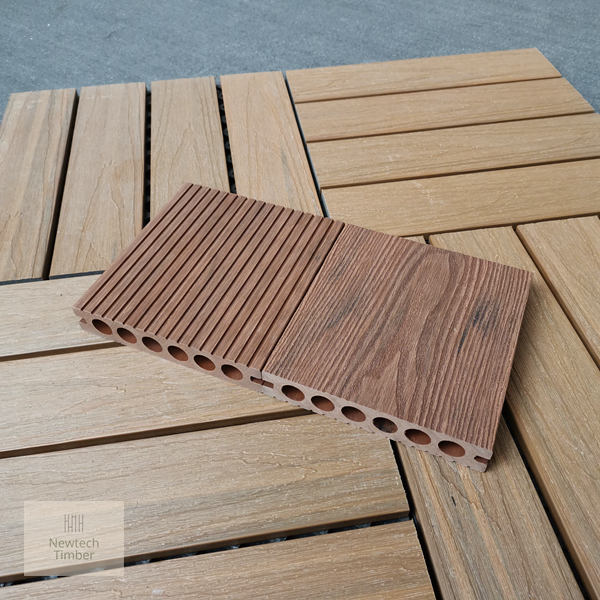
The capacity to produce composite decking is not confined to North America and Europe. Emerging markets in Asia and South America are also ramping up production to meet local demand. Countries like China and Brazil are investing in manufacturing facilities that focus on composite materials, leveraging their access to both wood fibers and plastic polymers. This shift not only enhances their capacity to provide competitive products but also creates a more diverse range of options for consumers worldwide.
Another critical factor influencing the adoption of composite decking is the price advantage it offers compared to traditional wood decking. While the initial investment for composite materials may be higher, the long-term savings become apparent when considering maintenance costs. Traditional wood decking requires regular staining, sealing, and replacement due to weathering and insect damage. In contrast, composite decking is engineered to resist fading, staining, and rotting, which translates into lower maintenance expenses over time.
The price advantage is further accentuated by the increasing availability of composite decking in various price ranges. As competition among manufacturers intensifies, consumers can find options that fit their budget without sacrificing quality. This price diversification allows homeowners and designers to choose materials that align with their financial plans while still achieving the desired aesthetic for their outdoor spaces.
Beyond cost considerations, the environmental benefits of composite decking also play a significant role in its growing popularity. As awareness regarding sustainable building practices rises, many consumers are opting for eco-friendly materials. Composite decking is often made from recycled materials, which helps reduce waste and promote sustainability. This aspect not only appeals to environmentally-conscious consumers but also aligns with global efforts to promote greener construction practices.

When it comes to design inspiration, composite decking offers a wealth of possibilities. Available in a variety of colors, textures, and finishes, it can mimic the appearance of natural wood while providing the resilience of synthetic materials. Designers can explore different styles, from sleek modern aesthetics to rustic charm, making composite decking an adaptable choice for various outdoor settings. The versatility allows for creative expressions in outdoor design, enabling the integration of composite decking into decks, patios, walkways, and even garden features.
Furthermore, the ease of installation associated with composite decking adds another layer of appeal. Many products come with interlocking systems that simplify the installation process, allowing for quicker project completion. This efficiency is particularly beneficial for contractors and DIY enthusiasts alike, as it reduces labor costs and minimizes disruption to outdoor spaces.
As the demand for composite decking continues to rise, so does the innovation in materials and design. Manufacturers are continually developing new formulations that enhance durability, improve aesthetics, and provide additional features such as slip resistance. This ongoing evolution ensures that composite decking remains a relevant and attractive option for outdoor design projects, appealing to a broad audience of homeowners and designers.
Incorporating composite decking into outdoor design projects offers an opportunity to create beautiful, functional, and sustainable spaces. With its growing global production capacity, competitive pricing, and diverse design options, composite decking stands out as a leading choice for anyone looking to transform their outdoor environment. As designers explore new trends and homeowners seek durable solutions, composite decking will undoubtedly remain at the forefront of outdoor design innovation.

