When it comes to cutting Wood Plastic Composite (WPC) panels for precise and clean installations, understanding the manufacturing process and the inherent properties of the material is essential. WPC is a versatile product made from a combination of wood fibers and thermoplastic polymers. This blend results in a material that is not only durable and resistant to moisture but also easy to work with. However, to achieve the best results in installation, specific techniques and tools are required when cutting WPC panels.
The first step in the process is selecting the appropriate tools. A high-quality circular saw is often recommended for cutting WPC panels because it can provide clean cuts with minimal chipping. A fine-tooth blade, typically designed for cutting composite materials, is ideal as it reduces tear-out along the edges of the panel. It is crucial to ensure that the blade is sharp and in good condition, as a dull blade can lead to rough edges and an uneven cut.
Before making any cuts, proper measurement and marking techniques are vital. Take the time to measure the area where the WPC panels will be installed and determine the dimensions of each panel accordingly. Using a straight edge or a framing square can help create a precise line for cutting. Mark the line clearly with a pencil or a marking tool that provides good visibility. This step is fundamental as it ensures accuracy and reduces the likelihood of errors during installation.
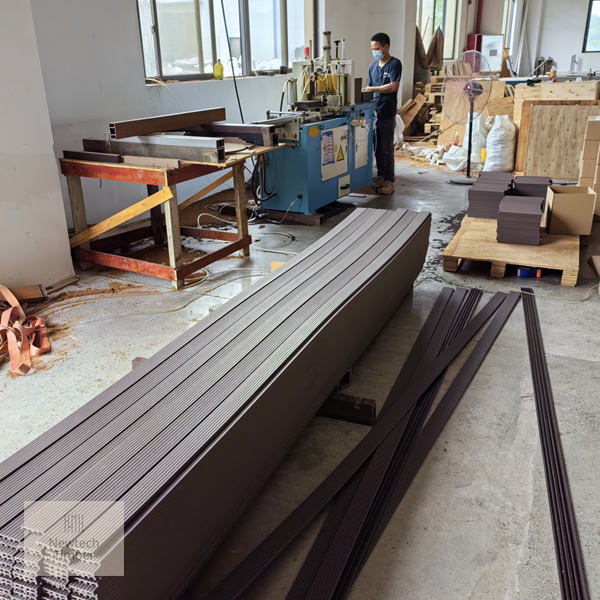
Once the panels are marked and secured, it is essential to prepare the cutting area. A stable work surface is necessary to support the panels while cutting. If possible, use a workbench or sawhorses to provide adequate support. Additionally, consider using clamps to hold the WPC panels in place. This minimizes movement during cutting and helps achieve a clean, straight cut.
When cutting the panels, it is important to maintain a steady and controlled pace. Rushing through the cut can lead to mistakes and uneven edges. If using a circular saw, allow the saw to do the work without forcing it through the material. Applying too much pressure can cause the blade to bind or create excessive friction, leading to an increased risk of chipping or burning the edges. Instead, let the blade glide through the WPC, and ensure that you follow the marked line closely.
For larger panels, it may be beneficial to use a table saw, as it allows for greater stability and precision. A table saw provides a consistent cutting depth and can handle thicker panels with ease. When using a table saw, ensure that the fence is adjusted correctly to achieve the desired width of the cut. Always use push sticks or other safety devices to keep hands clear of the blade while feeding the panel through the saw.
After cutting, it is crucial to inspect the edges of the WPC panels. If there are any rough spots or imperfections, these can be smoothed out using sandpaper or a sanding block. This step is important to ensure that the edges fit snugly during installation and to enhance the overall appearance of the finished project. Pay close attention to corners and ends, as these areas are often most visible and can affect the aesthetic quality of the installation.
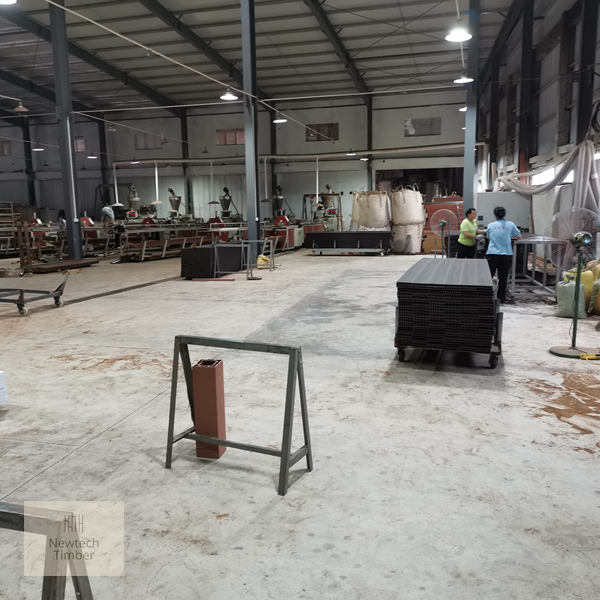
In addition to these techniques, understanding the environmental conditions in which the WPC panels will be installed is also important. Temperature and humidity can affect the material’s properties and performance. For instance, WPC can expand or contract with changes in temperature, so it is advisable to leave a small gap around the edges during installation to allow for this natural movement. Proper acclimatization of the panels before cutting can also help minimize issues related to expansion and contraction.
Taking the time to cut WPC panels correctly not only ensures a professional-looking installation but also enhances the longevity and performance of the material. Utilizing the right tools, techniques, and preparation methods can make a significant difference in the outcome of any project involving WPC panels. By following these guidelines, installers can achieve precise cuts that contribute to a clean and seamless finished product. The attention to detail in the cutting process ultimately reflects in the overall quality and durability of the installation, making it a crucial step in working with WPC materials.

