Understanding WPC Slatted Cladding
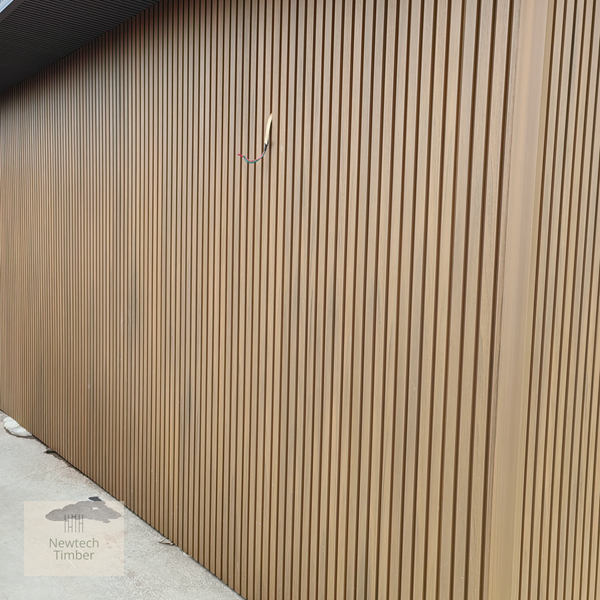
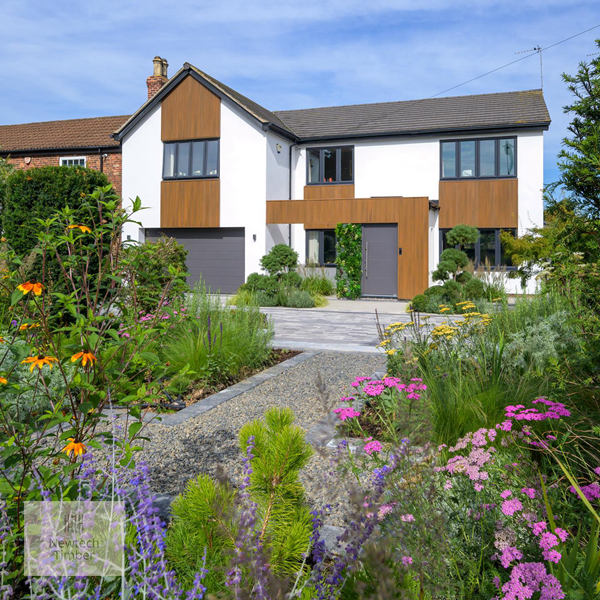
Wood Plastic Composite (WPC) slatted cladding offers an innovative solution for enhancing the aesthetics and functionality of outdoor spaces. Made from a blend of recycled wood fibres and plastic, WPC combines the natural look of wood with the durability and ease of maintenance typically associated with synthetic materials. NewTech Timber’s WPC slatted cladding is designed to withstand the elements while providing a modern and stylish finish to any residential or commercial project. This composite material not only adds a visually appealing texture but also ensures longevity, making it a smart choice for cladding solutions.
Choosing the right cladding for your project can feel overwhelming, especially with the variety of options available. It’s essential to understand the properties of WPC materials as they relate to different climates and applications. For instance, WPC slatted cladding is resistant to moisture, preventing rot and ensuring it remains intact in humid environments. Its UV resistance also helps maintain colour vibrancy, making it suitable for sunny regions where traditional wood may fade or warp.
Comparing Composite Decking Options
As you explore different WPC slatted cladding options, it is vital to compare specifications carefully. Not all composite materials are created equal; some may incorporate higher levels of recycled materials while others may focus on enhanced durability or colour retention. Evaluate the product specifications such as density, moisture resistance, and warranty terms. NewTech Timber provides detailed information on all aspects of their WPC slatted cladding, allowing buyers to make informed decisions based on their specific needs.
When comparing options, consider the potential for expansion and contraction in various temperatures. WPC slatted cladding typically has a lower thermal expansion rate than traditional wood, meaning it retains its shape and appearance better over time. Additionally, look for products that are certified for environmental safety, ensuring that you are choosing materials that align with sustainable building practices.
Avoiding Common Mistakes
One of the most common pitfalls in selecting WPC slatted cladding is not accounting for the unique requirements of your project area. Each location has its climate-specific considerations, such as wind exposure, rainfall, and temperature fluctuations, all of which can affect the performance of the cladding. It is crucial to consult with professionals who understand these factors to avoid future complications.
Another mistake often made is overlooking maintenance requirements. While WPC materials are designed to require less upkeep than traditional wood, they still need occasional cleaning to maintain their appearance. Be sure to understand the proper cleaning materials and methods recommended by manufacturers to ensure longevity and performance.
Selecting the Right Finish
The finish of WPC slatted cladding plays a significant role in both appearance and functionality. NewTech Timber offers a variety of finishes that not only enhance the visual appeal but also provide additional protective qualities. Textured finishes can help in reducing slip, making them ideal for areas that may become wet, while smooth finishes might offer a more contemporary look. When selecting a finish, consider the overall design theme of your outdoor space and how the cladding will complement other materials used in the project.
Additionally, colour choice is essential for achieving the desired atmosphere. Lighter shades can open up spaces and create a feeling of airiness, while darker tones can add warmth and sophistication. Always request samples to assess how different colours look in various lighting conditions before making a final decision.
Installation Insights
Proper installation is key to ensuring the best performance from your WPC slatted cladding. NewTech Timber provides comprehensive guidelines and support for installers, which can significantly reduce the risk of issues during and after the installation process. Understanding the recommended spacing, fasteners, and any specific techniques for cutting or finishing edges will ensure that your cladding looks its best and functions effectively.
It is advisable to hire experienced professionals for the installation of WPC cladding, as their expertise can prevent common errors that may arise with less experienced installers. Doing so will also help safeguard your investment, ensuring that the cladding performs as expected over its lifespan.

