Understanding WPC Wall Panels
Wood Plastic Composite (WPC) wall panels have emerged as an innovative solution for modern exterior wall decoration, particularly in sustainable building practices. Comprising a blend of recycled wood fibres and plastic, these panels serve not only aesthetic purposes but also contribute positively to the environment. The use of reclaimed materials significantly reduces the demand for virgin timber, thus playing a part in the effort to combat deforestation. This is particularly vital as deforestation leads to habitat loss and contributes to climate change.
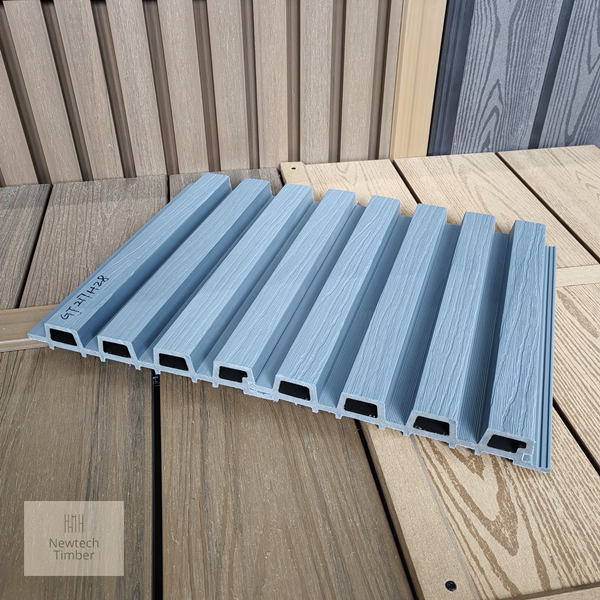
WPC wall panels are designed to mimic the natural appearance of wood, yet they offer enhanced durability and low maintenance. Unlike traditional wood, WPC is resistant to rot, mould, and insect damage, making it an ideal choice for external applications. This resilience, coupled with their eco-friendly composition, positions WPC wall panels as an attractive option for both residential and commercial properties.
A Range of Colours for Modern Aesthetics
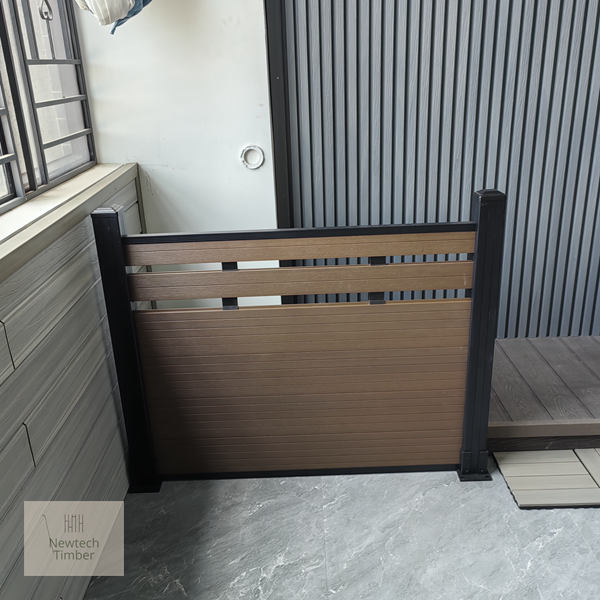
One of the appealing aspects of WPC wall panels is the wide array of colours available. This diverse palette allows architects and homeowners to select tones that complement contemporary design trends while maintaining an organic feel. Whether opting for classic earthy shades or bold, vibrant hues, WPC wall panel colours can enhance the visual appeal of any structure. The colour options range from deep browns and rich reds reminiscent of traditional hardwoods to sleek greys and bold blacks that align with modern minimalistic designs.
Choosing the right colour not only impacts the aesthetics but also contributes to the overall energy efficiency of the building. Darker shades can absorb more heat, while lighter colours reflect sunlight, potentially affecting indoor temperatures. The flexibility in colour selection allows for creative expression while adhering to sustainability principles.
Sustainability at the Core
WPC wall panels embody sustainability through their recycled composition. The materials used in manufacturing these panels often include post-consumer plastic waste and wood scraps, which would otherwise contribute to landfill accumulation. By utilising these materials, WPC not only lessens the environmental burden but also promotes a circular economy. This process reinforces the importance of recycling in construction and building materials.
Moreover, the manufacturing process of WPC panels requires less energy compared to traditional wood products. As a result, the carbon footprint associated with production is significantly diminished. This eco-conscious manufacturing approach aligns well with the increasing demand from consumers for environmentally responsible building materials, making WPC an excellent choice for green building certifications and environmentally focused projects.
Recyclability and Future Impact
Another facet of WPC wall panels that underscores their sustainability is their recyclability at the end of their lifespan. Unlike traditional wood, which may rot or require chemical treatments that hinder recycling, WPC can be repurposed into new products or reprocessed into new panels. This closed-loop system enhances the lifecycle of the material and reduces the need for new raw materials, further alleviating pressure on forests and the environment.
As the industry moves towards more sustainable practices, the recyclability of WPC wall panels positions them as a leading choice for responsible developers and homeowners alike. The ability to reintroduce old materials into the production cycle not only conserves resources but also paves the way for future innovations in eco-friendly building solutions.
WPC in Landscaping and Commercial Projects
The versatility of WPC wall panels extends beyond just exterior walls. Their aesthetic and functional properties lend themselves beautifully to landscaping projects and commercial applications. Whether used as stylish fencing, decorative garden walls, or striking facades for retail spaces, WPC wall panels provide a cohesive look that integrates well into various environments. This seamless adaptability is crucial in today’s design landscape, where outdoor spaces are often an extension of indoor living areas.
In commercial settings, the use of WPC can enhance brand image, showcasing a commitment to sustainability. Businesses that prioritise eco-friendly materials often attract a clientele that values environmental responsibility, aligning brand values with consumer expectations. The combination of aesthetic appeal and sustainability makes WPC wall panels a strategic choice for modern architecture and design.

