Composite decking has become increasingly popular due to its durability and low maintenance compared to traditional wood. One of the critical factors that contribute to the longevity of composite decking is whether it is capped or not. Capped composite decking includes a protective layer that helps safeguard the core material from moisture, stains, and fading. Understanding how to identify capped composite decking can help you make informed decisions about your outdoor spaces and ensure they last for years to come.
To determine if your composite decking is capped, start by examining the product specifications or manufacturer’s details. Most manufacturers provide clear information about their products, including whether they offer capped composite decking. Look for terms like capped, co-extruded, or shielded in the product description. If you still have the original packaging or documentation from your purchase, it may also contain this information.
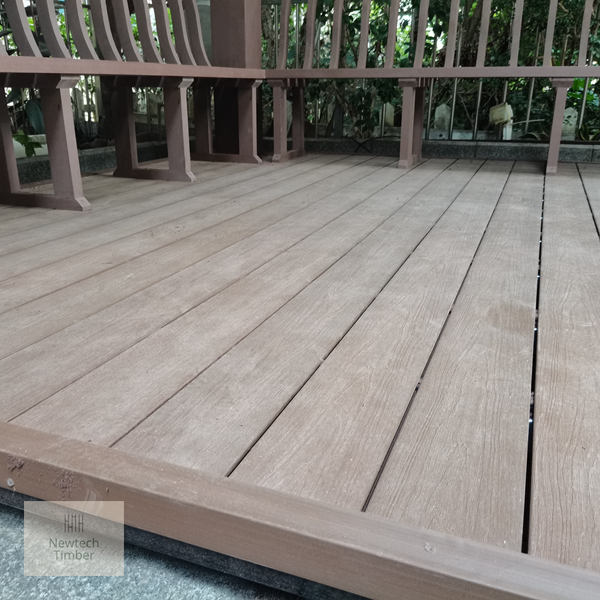
Another way to identify capped composite decking is by inspecting the surface of the boards. Capped composite decking typically features a smooth and consistent finish, which is a result of the protective layer applied during manufacturing. If you notice a textured or rough surface, it may indicate that the decking is not capped. Additionally, you can perform a simple water test. Sprinkle a few drops of water on the surface of the decking. If the water beads up, it is a sign that the surface is sealed, indicating that the decking is likely capped. Conversely, if the water quickly absorbs into the material, it may not be capped, suggesting a higher risk of moisture damage.
Maintenance of capped composite decking is generally easier than that of uncapped options. However, it is essential to follow the manufacturer’s maintenance guidelines to ensure the longevity of the decking. Regular cleaning is vital to remove dirt, debris, and potential stains. Use a mild soap solution and a soft-bristle brush or a pressure washer on a low setting to clean the surface. Avoid harsh chemicals that may damage the protective cap. It is also wise to avoid the use of abrasive scrubbing pads, as they may scratch the surface.
Inspecting your decking regularly for signs of wear is another crucial aspect of maintenance. Look for any scratches, fading, or signs of moisture damage. While capped composite decking is designed to resist common issues associated with traditional wood, it is not entirely immune to damage. If you notice any problems, addressing them promptly can help prevent further deterioration. For example, if you spot a scratch, consider using a touch-up pen or a similar product recommended by the manufacturer to minimize its appearance.
Another important factor to consider is the installation of your composite decking. Proper installation can significantly affect its durability and performance. If you are unsure about whether your decking is capped, refer to the installation guidelines provided by the manufacturer. Ensure that the boards are spaced correctly to allow for expansion and contraction due to temperature changes. Proper spacing can help prevent warping or buckling, which can compromise the integrity of the decking.
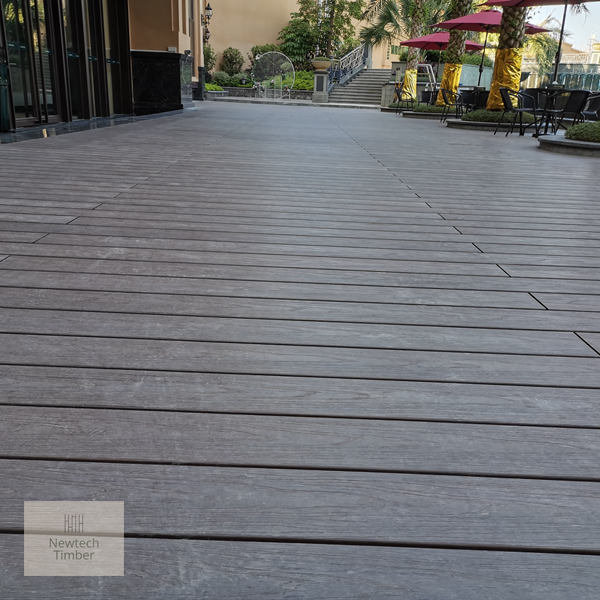
When planning to install new composite decking, consider investing in capped options for added durability. While the initial cost may be higher, the long-term benefits often outweigh the expense. Capped composite decking can withstand the elements better than uncapped alternatives, making it a wise choice for homeowners in varying climates.
Ultimately, understanding whether your composite decking is capped is essential for ensuring its longevity and performance. By checking product specifications, conducting simple tests, and following proper maintenance and installation practices, you can enhance the durability of your outdoor space. Investing time and effort in these areas not only protects your decking but also enhances the enjoyment of your outdoor areas for years to come.

